Lacrosse officiating equipment and basic mechanics
Officiating lacrosse is a blend of rule knowledge, movement, positioning and calm communication. A practical guide to officiating lacrosse equipment and basic mechanics begins before the whistle: know the code, inspect the playing area, understand possession and see each contest from a clear angle. The aim is to protect the game with timely, consistent decisions rather than react to every movement.
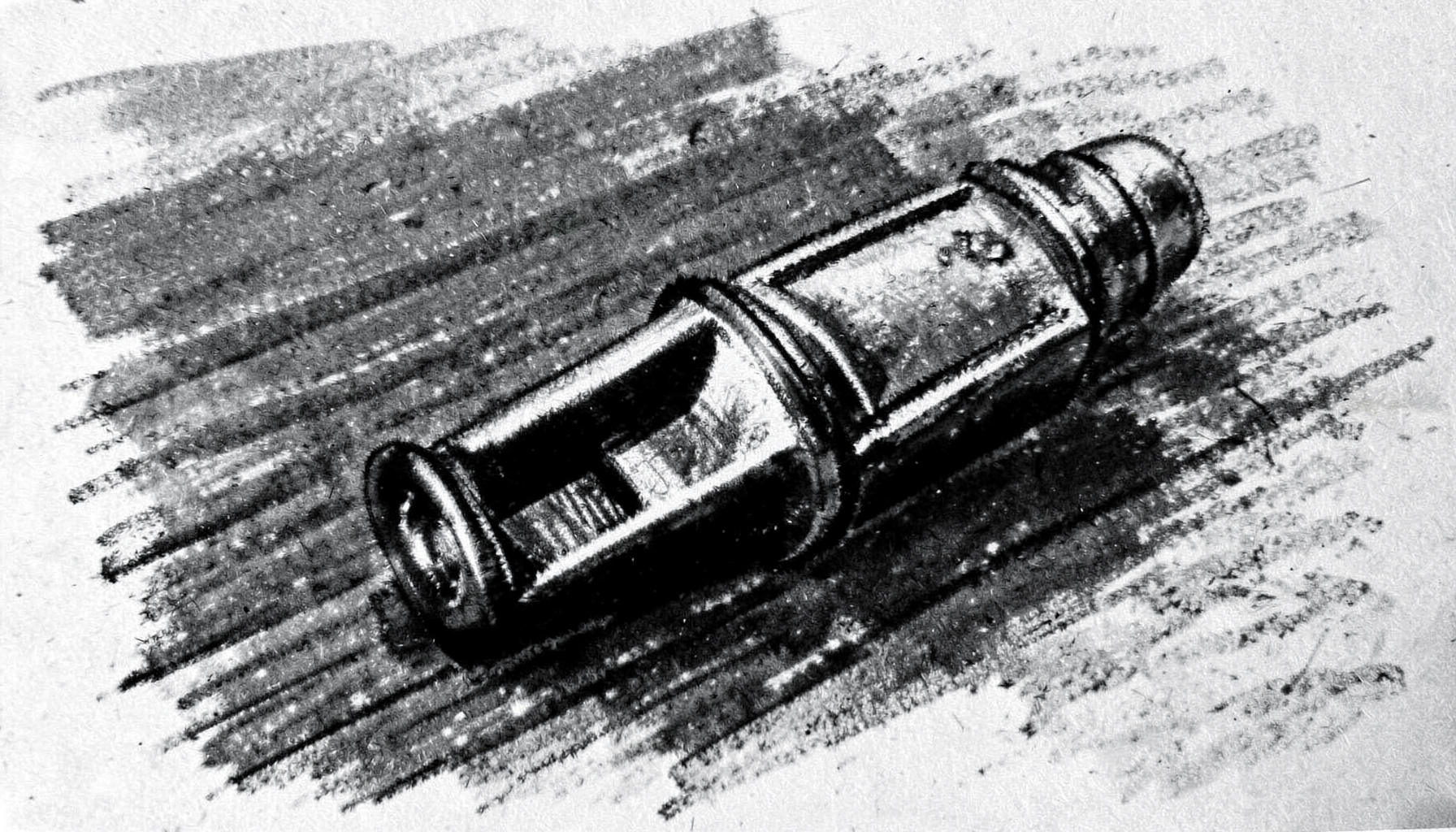
Preparation starts with the equipment officials carry. Depending on the level and format, this may include a high-pitched whistle, spare ball, score sheet or hand counter, pen, tape, watch, sunscreen, water, gloves and a communication device. Box lacrosse umpires may also need flags and a timing device. The exact list belongs to the competition rulebook and state association, so it should be checked each season rather than assumed.
Essential equipment and pre-match checks
Player safety begins with the helmet, chinstrap, mouthguard, gloves and shoulder pads required for the code being played. Some field competitions also specify chest or rib protection, while goalkeepers need their own approved padding. Before a match, an official should check league equipment rules, confirm that protective gear is present and remove jewellery or unsafe accessories under the relevant rule. A worn strap or loose chinstrap can create risk even when the player intends to play safely.
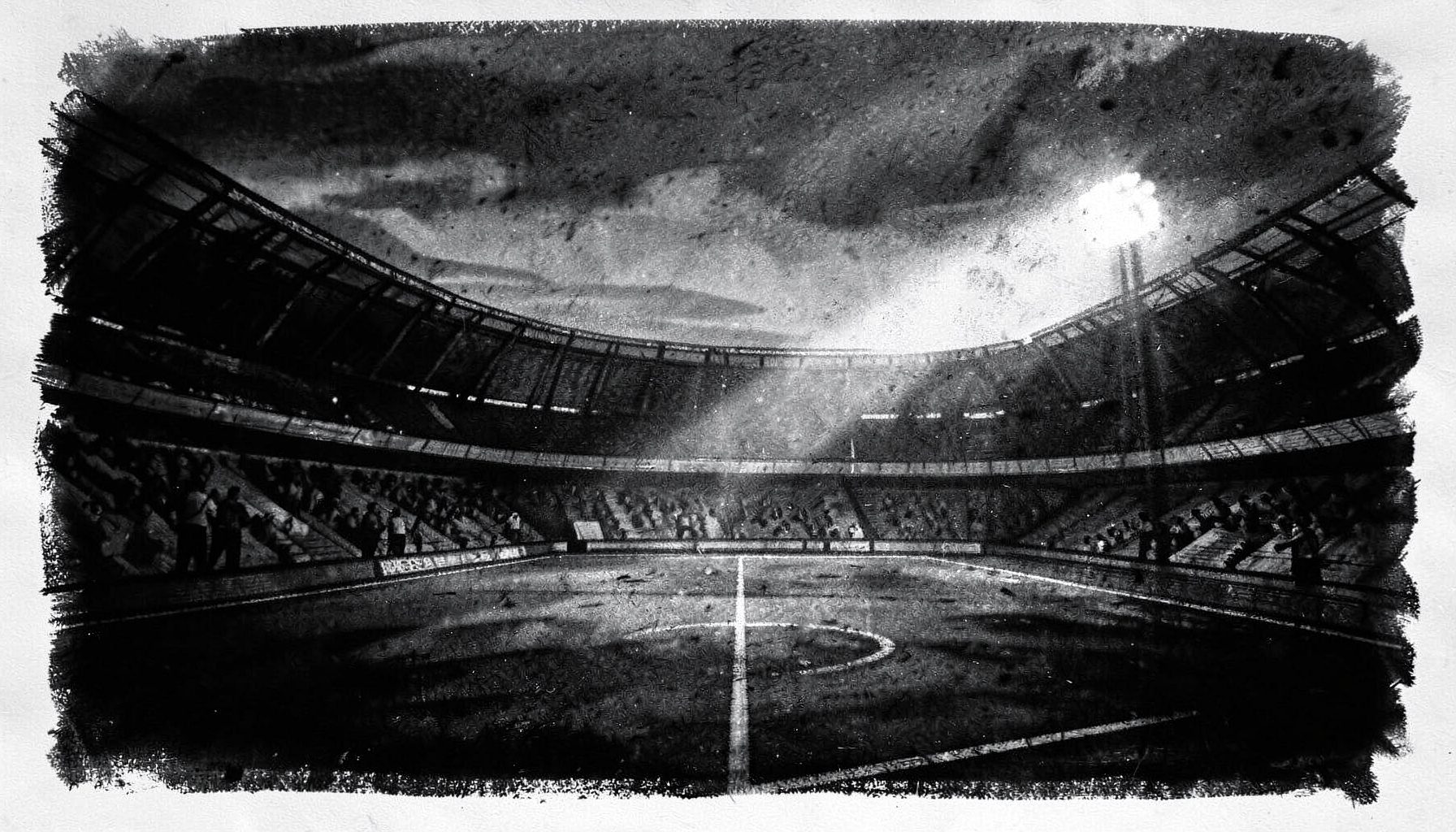
The pre-match equipment check should extend to the ball, goals, net, crease and field markings. Test the whistle, confirm that the game and penalty clocks work, and agree with the scorer about signals and clock controls. If a ball is soft, cut or unmarked, replace it. In box lacrosse, inspect the boards, doors, penalty benches and centre line because these features create their own hazards and restart procedures.
At Australian community venues, officials often arrive before the first team to carry kit from the car, set the goals and walk the ground while it is quiet. Where clubs use hired or pooled equipment, the same inspection catches worn mouthguards, loose chinstraps and misshapen crosse heads before players arrive. This habit matters in hot conditions, when hydration breaks and sun protection are part of an official's working kit.
Reading the field and controlling the contest
Australian lacrosse includes both field and box forms, with established club networks around Sydney, Melbourne and Adelaide. Field lacrosse is generally played outdoors and is commonly scheduled through the cooler months in southern states, while box games use an enclosed court and may run indoors or through summer. The local market therefore includes a mix of club, state and social competitions, and an official may move between codes without assuming that every procedure carries across.
Possession starts when a player controls the ball with the crosse or catches it, subject to the specific code. Keep the ball visible when applying pressure and watch the stick rather than only the feet. A player generally must keep one hand on the stick, and a loose ball cannot be treated as secured possession merely because a player is close to it. Learn how the field code defines a scoop, catch, pass and possession before making a turnover decision.
The crease is the clearest example of why positioning matters. A defender who enters too deeply may have crossed the crease line or disturbed the goalkeeper, while an official standing directly behind that line can lose the view of the ball. Stay square to the contest, keep both players in view and avoid moving so early that your body blocks the shot. Field and box versions differ in crease size and restart method, so the local rulebook governs the exact call.
Positioning, signals and game mechanics
Good positioning follows a simple rhythm: settle, scan, then react. Settle the players before checking for obvious violations, scan from the ball toward the boundary and benches, and react only after seeing the complete action. Move parallel to play when possible to preserve an open angle. Avoid running directly behind a ball carrier, because the player, stick and ball will overlap from that view.
Restarting play requires a fixed routine. Confirm the reason for the stoppage, separate players if necessary, identify possession and the restart location, then signal the decision before returning the ball or allowing a pass or throw. The routine differs between field throw-ins, free passes and box restarts, so officials should practise with the code and level they will work. Marking the spot correctly prevents delays and gives players a clear expectation.
Whistle use should be economical but decisive. Stop play for violations that need an immediate ruling, then use the agreed hand signals for possession direction, goals, penalties, time and the location of a restart. Make signals where the scorer can see them, and communicate clearly with a partner official rather than pointing in an ambiguous direction. Consistency in the signal and restart builds trust with players, coaches and table staff.
Training, fitness and common errors
Officials need repeated short sprints, lateral movement and the ability to change direction without losing balance. Footwear, knee support and hydration should suit the venue, and any pain or injury should be reported before an official is placed in a position they cannot cover safely. For general conditioning and familiarity with Australia's combat-sport culture, Muay Thai training guidance can support solo fitness work, although lacrosse-specific footwork and reaction drills remain more relevant to officiating.
Common errors include an early whistle, a poor viewing angle, tunnel vision during a transition and failure to complete a restart routine. Slow the tempo after a difficult call: move to the next position, locate both teams and confirm the relevant facts before the next sequence. A second look should determine the ruling, not emotional reaction to the previous one. Recording errors in a small notebook helps identify patterns over a season.
A useful progression is observation, shadowing, supervised officiating, independent assignment and review. Video review should focus on one element at a time, such as crease position or restart technique. Training with the same umpires used in local matches also teaches hand signals, clock procedures and communication habits. For example, an experienced local official can compare junior and senior fixtures to show how body language and patience affect player behaviour.
Building a dependable officiating pathway
Before registering, an Australian official should confirm the rules, insurance, safeguarding and accreditation requirements of the relevant state lacrosse association. Child-safety requirements vary: New South Wales and Victoria use Working with Children programs, while other states apply their own screening and volunteer standards. Officials who work regularly with minors may need a check, and clubs may also require public liability cover, a current concussion protocol and attendance at a pre-game briefing.
Administrative detail is only one part of preparation. A dependable working routine includes a rulebook in the bag, a charged phone, water, sunscreen, spare pens, the correct uniform and a plan for travel to an outdoor ground. Keep discussions factual at the team table, since a post-match debrief in an Australian club room is common. The Southeastern Athletic Officials Association in southeastern North Carolina offers a useful regional example: its SAOANC recruitment pathway shows how recruitment, training, calendars and leadership can support officials at different experience levels.
Begin with the local code, not habits borrowed from another sport. Learn the required signals, work through each restart and ask an experienced official to observe one full match. The next concrete step is to contact the appointed referee and volunteer for one upcoming club fixture.