A guide to officiating track and field events: starting duties
Officiating track and field begins well before the first starter’s signal. The starter must know the event, the competitors and the condition of the venue, while the recall starter, marshals and timekeepers each hold a defined responsibility. A calm opening prevents small administrative errors from becoming disputed races.
This guide follows an event from reporting duty to the start and then into the record of what happened. Australian officials should work from Athletics Australia rules and the event’s technical manual, using metric distances and fully automatic timing where specified. Major Australian meets often combine electronic timing with photo finishes, while club and school carnivals may rely on a smaller mix of equipment and volunteer crews.
Preparing before the venue opens
Begin by reporting to the chief referee or technical manager and collecting the event sheet, amendments, officiating roster, radio channel and assignment sheet. Confirm whether you are the starter, recall starter, call-area marshal or another track official. A starter who has assumed the wrong role creates confusion long before the athletes arrive.
Build a timeline backwards from the scheduled start. Allow time to cross the venue perimeter, meet the timing and field officials, inspect the track and open the call area. Access can vary between Sydney Olympic Park, council ovals in Brisbane and Melbourne, and suburban school grounds in Adelaide, so obtain credentials and parking or public-transport details early.
Many Australian club and school meets depend heavily on volunteers. Ask who controls the gates, public-address system and equipment before assuming support will be available. Experienced colleagues can also identify practical gaps in a first assignment. SAOANC’s member directory guide explains how officials can connect with people who have worked comparable meets and ask about venue-specific routines.
Checking the track and equipment
Walk the competition area before athletes report. Check lane lines, start blocks, hurdle positions and spacing, relay-zone marks, wind instruments and any illuminated or electronic finish equipment. For field events, verify the run-up, landing area, throwing sector, implement stations and cage condition. Record defects rather than quietly assuming someone else will report them.
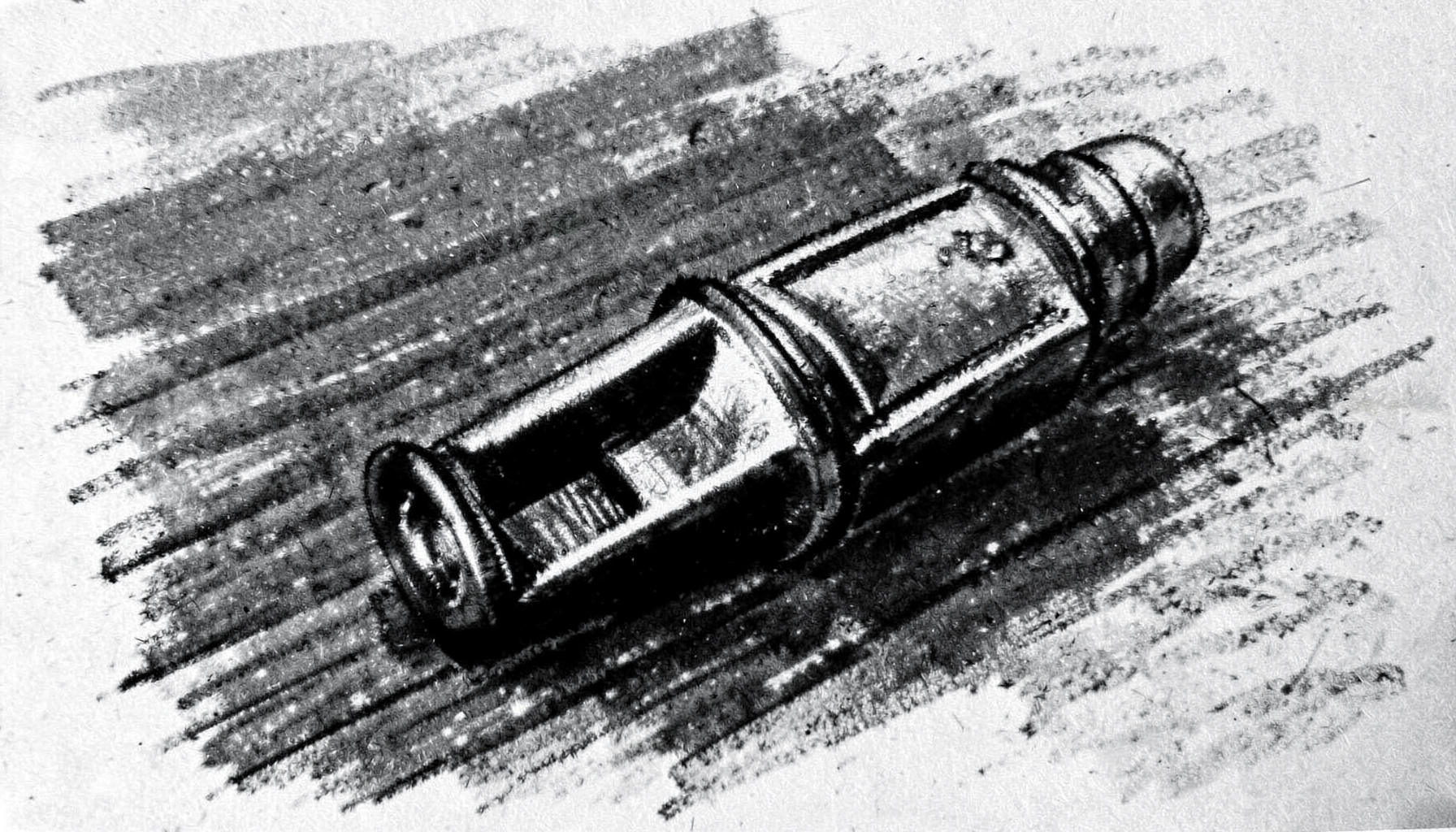
Test the starter’s device, recall equipment, radios, timing links and public-address system with the people who will use them. A starter should know the agreed recall signal and how the recall starter will reach the line if a false start occurs. Keep spare batteries, cables and the approved instruction sheet with the equipment.
Product and technical references can help officials understand the wider setup, including VP Andorra resources. Current specifications, battery arrangements and test procedures should still be confirmed with the meet’s designated technicians before competition begins.
Confirming entries and start orders
The event sheet provides the official sequence of work, but it must be checked against the latest amendments. Match each competitor’s name, club or school, bib number, event, seeding, lane allocation and start time. Look for withdrawals, scratches, lane changes and ties that affect order or record eligibility, and note who authorised each change.
The starting method depends on the event. Sprint and hurdle races normally involve individual blocks and a crouching start; an 800-metre or longer race may use a standing or bunched start. Relay teams also need the exchange-zone procedure and any special team instructions. In field events, the event referee initiates trials after checking implements and safety rather than using a track starter’s signal.
Terminology can vary between competitions, so compare procedural notes with an external checklist such as international rules resources. The Athletics Australia technical manual, the referee’s ruling and any published draw then settle what the crew must actually do.
Managing the call area
Call-area marshals control the flow of athletes, not the final technical decision. Check that competitors are entered in the correct event, wear visible numbers and compliant clothing, and have spikes or other equipment permitted by the rules. Announce calls clearly, keep the approach calm, and follow rules on coaching, hydration and attendance. Athletes who need classification support or assistance devices must also be handled under the approved procedure.
At the line, the starter verifies that the race is ready before issuing the start command or signal. The recall starter watches for a false start and remains ready to recall the field. Wind readings, timing displays and relay-zone information belong in the wider officiating system, so communicate rather than improvise. After the start, document recalls, delays or equipment failures while the details are fresh.
Sound preparation is a common thread across sports. SAOANC’s football officiating information provides a useful comparison in how an association explains assignments, equipment expectations and communication channels to members. The relevant principle is the same: settle responsibilities before the contest and use one agreed signal.
Practical habits for confident starts
A reliable start results from preparation rather than confidence alone. Use the following habits on every assignment, adjusting them for the venue, weather and level of competition.
- Report at the required time and obtain the latest event sheet.
- Walk the area and test communications before athletes arrive.
- Confirm names, seedings, lanes, scratches and amendments.
- Brief the starter, recall starter and marshals on one procedure.
- Use the prescribed commands and protect a fair start.
- Record recalls, delays, defects and corrective actions promptly.
These habits create a shared mental model for the officiating team. They also protect the starter from having to make procedural decisions under time pressure, when athletes are waiting and spectators are watching. Short, specific handovers are usually more valuable than a long verbal briefing.
The duties that matter most
A starter’s authority begins with preparation. Knowing the event, inspecting the facilities, checking the order and keeping communication simple prevent avoidable errors. The starter controls the start; the recall starter preserves the opportunity for a fair restart; marshals and technicians support the process around them.
Australian conditions deserve particular attention. Summer meets in Sydney and Melbourne may bring high UV, heat or thunderstorms, while Brisbane’s humidity can make extended waiting uncomfortable. Follow the event’s heat, lightning and hydration policy, provide shade and water where directed, and never move an athlete out of the designated warm-up route without authority.
The association contact page lists the route for direct enquiries about joining or officiating assignments. For an Australian official, the relevant state athletics association and Athletics Australia office remain the primary sources for local appointments, accreditation and current competition requirements.
Remember the start as a sequence: prepare the people, prepare the place, confirm the order, give the signal and be ready to recall. When each duty has an owner and the signals are rehearsed, the starter can remain impartial, the athletes can compete with confidence, and the result can stand on a fair and properly recorded decision.