Essential Equipment For Football Officials Before The Season
A football official’s decisions are only as reliable as the equipment supporting them. A clear whistle, visible flag, accurate timing device and suitable clothing help the crew manage a fast match with confidence. Preparation also reduces avoidable delays when weather changes, technology fails or a venue lacks basic facilities.
For Australian readers, “football” can mean several codes, so this guide focuses on American football officiating. The core equipment applies across many competitions, while items such as penalty markers, down indicators and mechanics cards should match the rules used by the association or league.
A practical kit should serve two purposes: it must help an official perform each duty accurately, and it must withstand long periods outdoors. A Saturday fixture in Brisbane can bring intense heat, while a night game in Melbourne may require extra layers. Conditions, travel time and field quality all influence what belongs in the bag.
New officials should check the competition’s uniform and equipment policy before buying a complete set. The new officials resources from the Southeastern Athletic Officials Association can help prospective referees understand training expectations, essential terminology and the standards expected on game day.
Core Uniform And Personal Kit
The striped officiating shirt is the most visible part of the uniform. It should fit comfortably over protective layers, remain tucked in during movement and display the correct sleeve markings for the competition. Black trousers, a black belt, black socks and a suitable black cap complete the usual gridiron appearance. Some leagues specify short- or long-sleeved shirts, so buying several versions before checking the rules can be an expensive mistake.
Footwear deserves careful attention. Officials need stable, lightweight shoes with enough grip for grass, synthetic turf and damp surfaces. A pair of football boots may provide useful traction, but the sole must be permitted by the competition and safe around players. Pack a second pair of socks, a spare shirt and a lightweight rain shell, particularly when travelling between cities such as Sydney, Canberra and Newcastle.
A small personal kit should include sunscreen, lip balm, insect repellent, hand sanitiser and a basic first-aid supply. Australian sun protection is a genuine officiating concern, especially during afternoon fixtures. Choose water-resistant SPF 50+ sunscreen, reapply during the day and wear a broad-brimmed hat before and after the formal uniform period where venue rules allow it.
Whistles, Flags And Game Tools
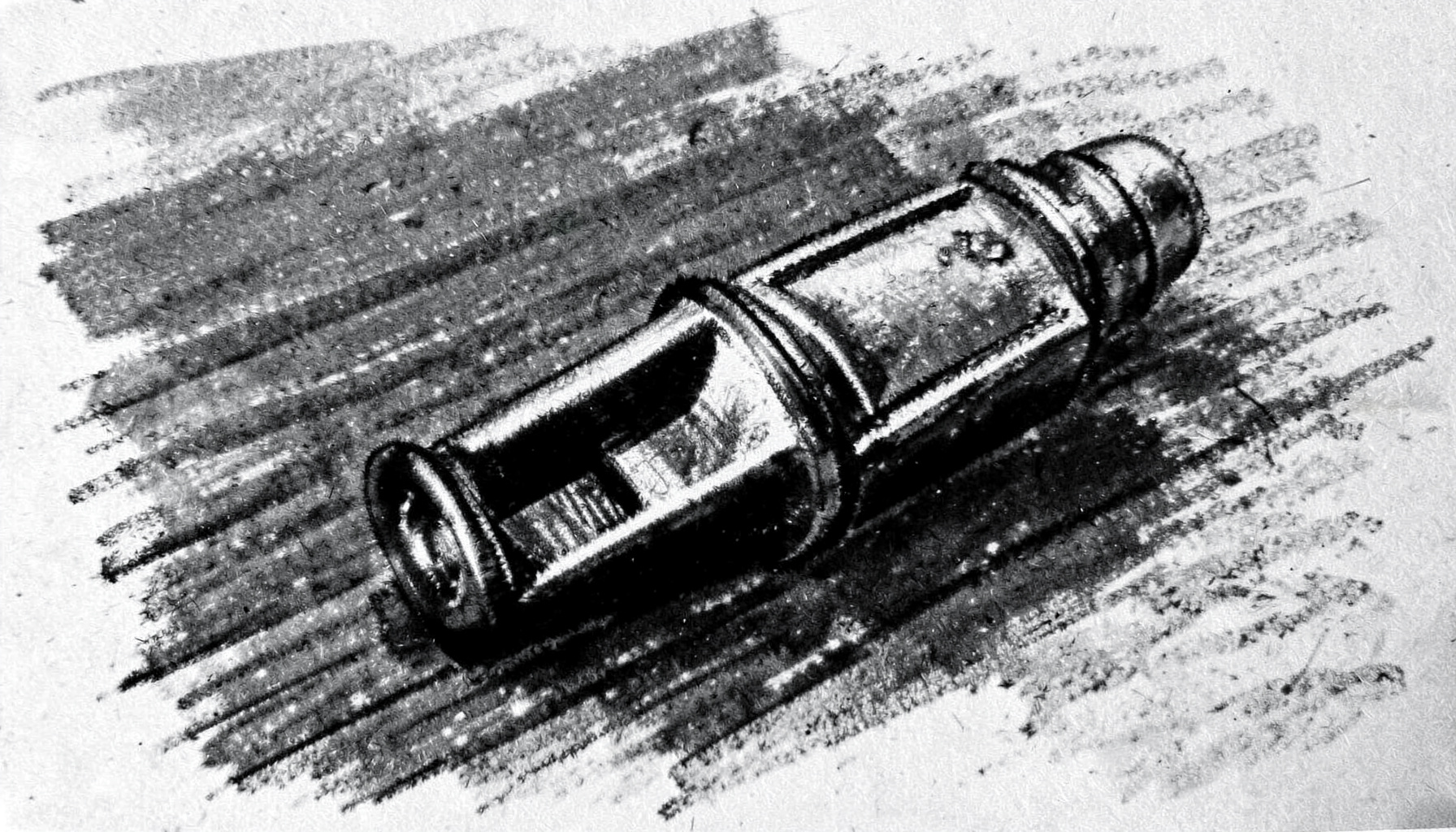
Every official needs a dependable whistle suited to outdoor use. Many officials carry a primary whistle attached to a lanyard and keep a second whistle in a pocket or equipment bag. A wrist lanyard or finger grip can make the whistle easier to control, while a bright colour helps prevent it being lost on a crowded sideline. Test its sound before the season starts rather than discovering a weak chamber during a noisy match.
The penalty flag is another essential item. Carry at least two flags, preferably in a strong, easily visible colour, and keep them folded consistently so they can be thrown cleanly. Officials may also need a beanbag for marking fumbles, backward passes or other locations required by the rules. A down indicator, pencil, waterproof game card and coin for the toss should be checked before leaving home.
Do not rely on a mobile phone as the only timing or record-keeping device. A simple digital stopwatch or durable sports watch provides a backup when a phone battery fails, reception is poor or the device cannot be used on the field. Keep a small notebook with spare pencils rather than a single pen, which may stop working in rain or heat.
Communication And Crew Coordination
Football officiating depends on communication between the crew. A referee may need to relay a penalty, confirm the down, coordinate substitutions or stop play quickly. Officials should know the approved hand signals and verbal terminology before the first fixture, because clear mechanics reduce confusion for players, coaches and spectators.
A radio system can improve coordination when the competition supplies one, but it is not always necessary or available. If radios are used, check charging arrangements, earpieces, channel settings and the venue’s rules. Officials should never assume that personal Bluetooth devices or consumer walkie-talkies are permitted. Follow the competition’s privacy, safety and communication policies, especially when junior teams are involved.
A charged phone remains useful for transport, emergency contact and receiving last-minute venue information. Store the competition supervisor’s number, but keep the device on silent during play. In some Australian states, junior sport providers may require a Working with Children Check or equivalent screening; equipment preparation should sit alongside those legal and safeguarding requirements rather than replace them.
Weather, Hydration And Field Conditions
Heat management belongs on the equipment checklist. Carry a large refillable water bottle, electrolyte tablets if appropriate, a towel and a cooling aid such as a neck cloth. Hydrate before arriving instead of waiting until fatigue appears. On hot days in Adelaide, Perth or Brisbane, officials can lose concentration well before they feel dramatically unwell.
Rain introduces different problems. A waterproof document wallet protects rosters, timing notes and rule references, while resealable bags can keep a whistle, phone and spare socks dry. Avoid storing electronic equipment loose in the kit bag. A compact umbrella is useful off the field, although it should never interfere with movement, sideline safety or crew responsibilities.
The playing surface also affects footwear and movement. Inspect the field for exposed sprinkler heads, loose turf, standing water and slippery painted areas during the pre-game walk-through. Australian venues may use synthetic surfaces that become particularly hot in direct sunlight, so officials should follow venue guidance about footwear, rest breaks and access to drinking water.
Training Aids And Rule References
Equipment is easier to use when it has been tested during realistic practice. Rehearse flag throws, whistle control, down changes and signals while wearing the complete uniform. Practising only in casual clothing can hide problems such as a belt that loosens, a whistle lanyard that catches or trousers that restrict sprinting.
Keep the current rulebook, mechanics manual and local competition regulations accessible in printed or digital form. A compact rules card can support a quick review, but it should not replace formal training. The Southeastern Athletic Officials Association provides information about officiating, development and regional support through its association resources, which can complement local Australian education for officials working under different codes or regulations.
A small kit for learning can include cones, a stopwatch, a notebook and video clips of common game situations. Reviewing film helps officials recognise positioning errors and improve communication. It is particularly valuable for new crews who are still learning how responsibilities shift between the referee, umpire, linesman, line judge, back judge, field judge and side judge.
Buying, Labelling And Maintaining Equipment
The cheapest item is not always the best value. Whistles, flags and watches are used repeatedly under pressure, so durable construction and easy replacement matter. Australian buyers can compare specialist officiating retailers, local sporting stores and online marketplaces, while allowing time for delivery from overseas. The association’s official merchandise can also be relevant for branded apparel or approved items connected with the organisation.
Label every piece of equipment with a name and phone number. Officials often share changing areas, transport and sideline space, and identical black bags are easy to confuse. Wash shirts according to the care label, air-dry footwear thoroughly, replace stretched lanyards and inspect flag seams after each round. Batteries should be removed from devices that will be stored for several months.
Australian Consumer Law generally provides consumer guarantees for products purchased from Australian businesses, including that goods should be safe, durable and fit for their stated purpose. Keep receipts for expensive watches, radios and footwear, and be careful with imports that lack local warranty support. Also check whether a venue or competition has specific requirements for reflective clothing, identification or electronic equipment.
Before the opening fixture, use this compact preparation list:
- Two approved whistles with secure lanyards or grips
- At least two penalty flags, plus a beanbag and down indicator
- Correct striped shirt, black trousers, belt, socks and cap
- Suitable field shoes, spare socks and a weatherproof outer layer
- Stopwatch or sports watch, game card, notebook, pencils and coin
- Water bottle, SPF 50+ sunscreen, towel and basic first-aid supplies
- Charged phone, emergency contacts and a waterproof equipment pouch
An equipment check should take place the evening before and again at the venue. Confirm the rules for uniform, communication devices and field access, then place the most frequently used items where they can be reached quickly. That routine prevents a missing whistle or forgotten flag from becoming a match-day distraction.
The best-prepared official is not the one with the largest bag. It is the one whose equipment is approved, tested, organised and suited to the conditions. A reliable whistle, visible signals, accurate timing, weather protection and sound safeguarding habits give every crew a stronger foundation. Before the season starts, remember that readiness is built from small checks that protect concentration when the game becomes fast.