Resolving Disputes Between Officials and Schools in Southeastern North Carolina
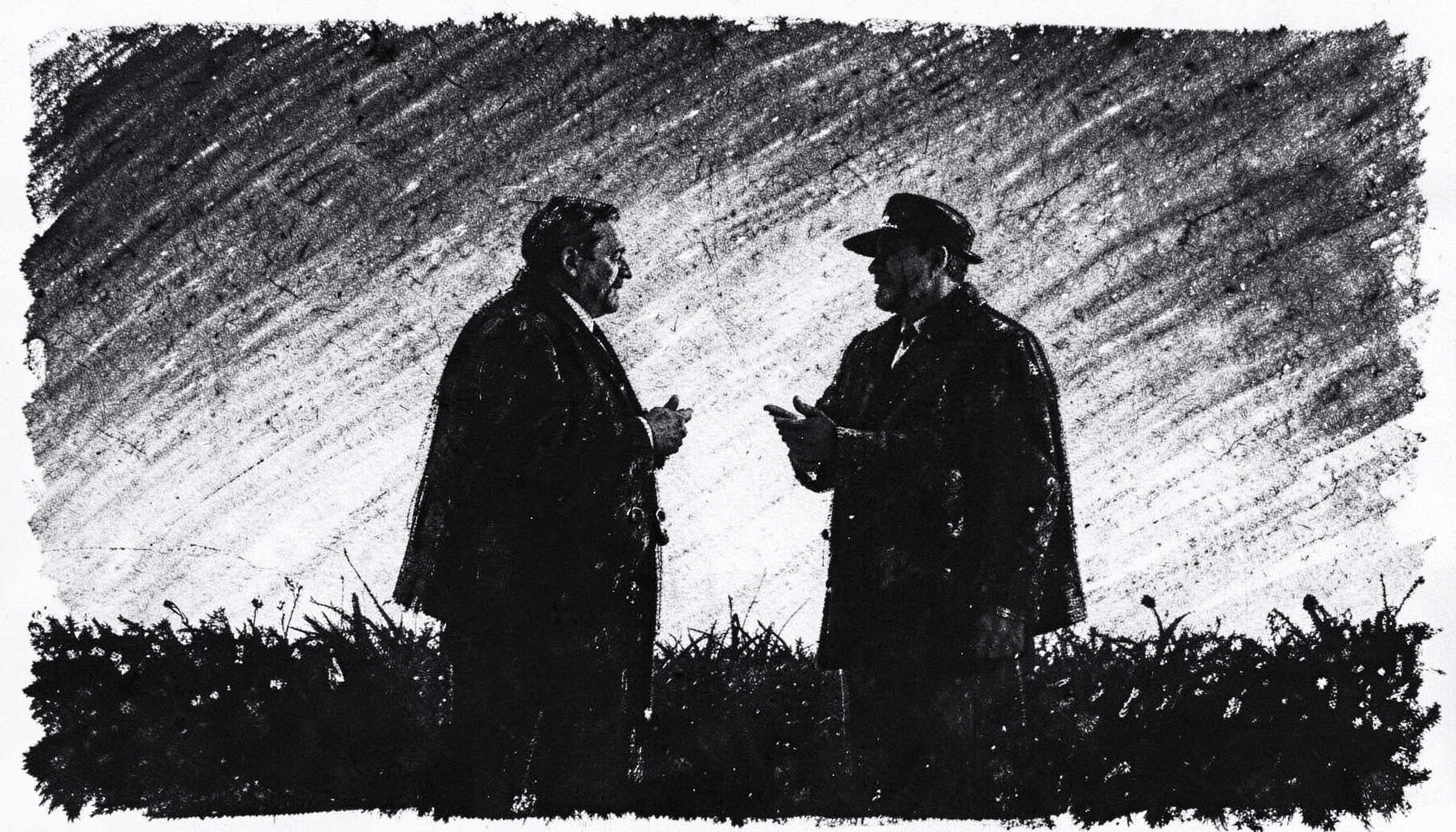
When a referee makes a contested call in the final seconds of a state basketball playoff, the ripple effects reach far beyond the scorer's table. The Southeastern Athletic Officials Association recognises that disagreements between officials and member schools are inevitable, and the way they are managed shapes the integrity of high school sport across the region. The association has cultivated a process that gives every party a clear avenue to raise concerns without derailing competition.
Behind every whistle is a person who has trained, travelled, and committed personal time to uphold the rules. When a coach questions that judgement, or an assignment is contested, the case must follow documented procedures. From Brunswick County to Robeson, the association's credibility depends on how conflicts are managed when tempers flare.
Officials in Australia work under a parallel reality. Whether they patrol the boundary at the MCG, officiate a weekend rugby union fixture in Parramatta, or manage a state netball carnival in Perth, the question of how to resolve disagreements follows the same contours. The Australian Sports Commission's integrity frameworks share common ground with the work done here, and drawing on these shared lessons strengthens local dispute pathways.
The association's approach rests on three pillars: early intervention, documented procedures, and independent review. These pillars guide everything from initial complaints to final appeals, ensuring that officials, coaches, and school leaders are weighed with equal measure. Prospective members can explore the wider benefits of joining through this guide on becoming a high school sports official.
The Grievance Pathway from First Contact to Resolution
A dispute rarely begins with a formal letter. Most start with a raised voice at the bench, a phone call to an assignor, or a pointed email late on a Sunday evening. The association treats these early signals as the first opportunity to defuse a situation. Officials log incidents through the member portal within 48 hours, while school administrators direct concerns to the same central point. Each entry adds accountability at the earliest stage.
Once a concern is logged, a regional supervisor reviews the submission and categorises it under conduct, judgement, or assignment. Misconduct allegations involving language, behaviour, or alleged bias are routed to the ethics chair. Pure judgement calls are filtered through a different lens, recognising that no official should face sanction for a legitimate interpretation of the rules. This triage prevents small irritations from absorbing the energy of senior volunteers.
The pathway also accounts for officials who feel they have been wronged. Schools occasionally issue no-contact directives, restrict facility access, or refuse to honour game contracts. Each action is treated as a formal grievance, with the official receiving the same rights to documentation and response as a school would. This balance has been refined over years of practice and quietly shapes how schools think about engaging with the assignment process.
Documentation Standards that Protect Every Voice
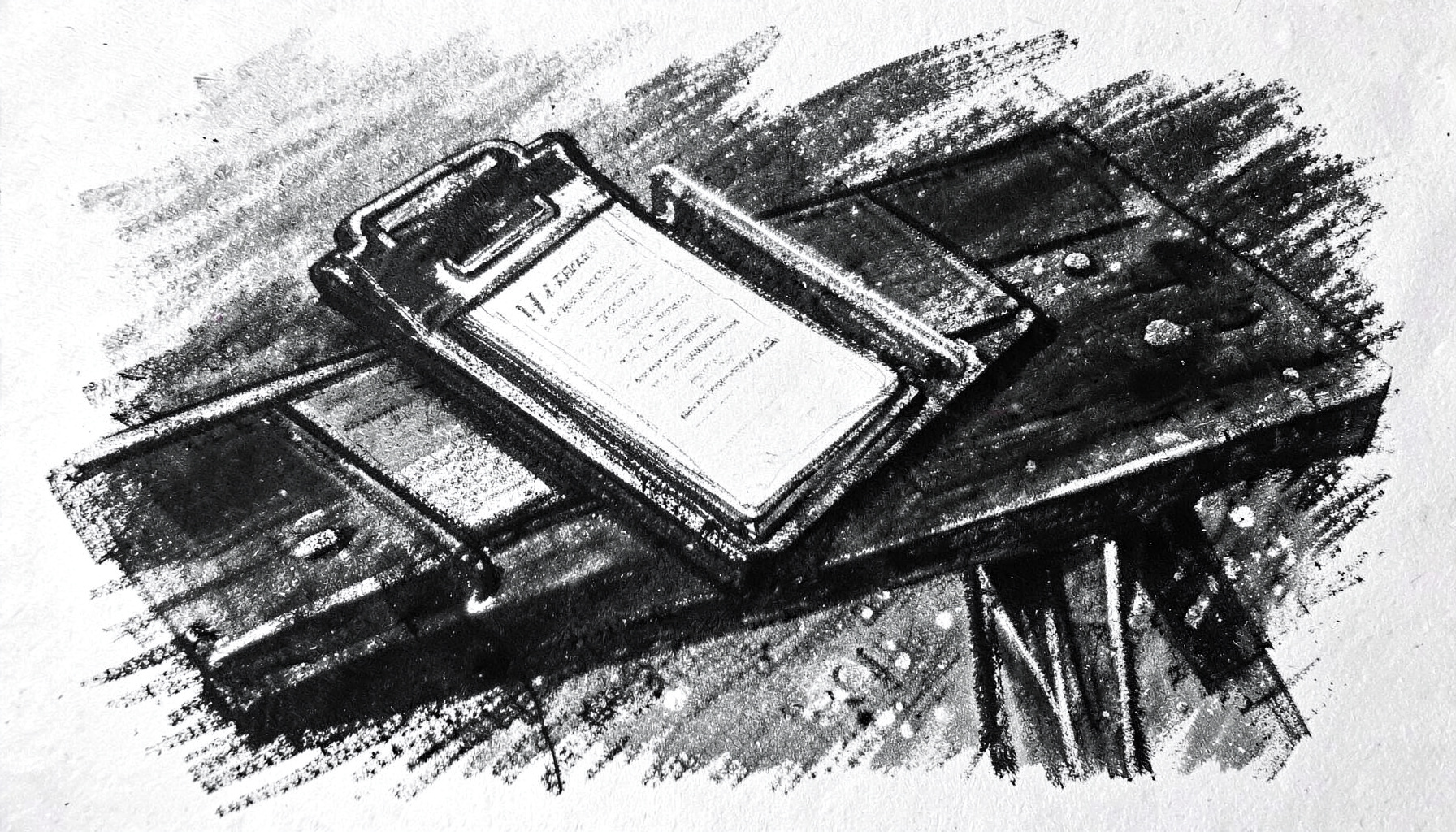
Documentation written at the time of the incident is the cornerstone of any dispute resolution process. The association provides standardised templates for game reports, conduct logs, and incident statements, ensuring everyone tells their version using the same framework. The templates walk members through time, location, individuals involved, witnesses, and a factual narrative stripped of emotion.
Officials and schools are encouraged to retain supporting materials, including video footage, photo albums, and notes from prior interactions. The association maintains a digital archive where evidence can be uploaded securely and retrieved only by authorised reviewers. Centralising evidence reduces the risk of selective memory and protects officials from accusations that gain traction only after the facts have faded.
Practices across the Pacific reinforce the same lesson. Officials serving in regional competitions around Geelong or Cairns know that a contemporaneous log rarely fills the gaps left by absent documentation, and writing it down protects the official more than any verbal recollection. The association encourages the same disciplined approach across all sanctioned sports, including volleyball, where rapid scoring can amplify disputes within minutes.
The Independent Review Committee Structure
The Independent Review Committee that handles sensitive disputes is composed of veteran officials, school athletic directors, and community members with no direct ties to either party. The committee is appointed annually by the board and serves staggered terms to preserve institutional knowledge while avoiding entrenchment. Members receive training in conflict resolution, impartiality, and procedural fairness before sitting on a panel.
When a dispute escalates beyond the regional supervisor, the committee convenes within fourteen days to review materials and hear from both sides. Hearings are conducted in person when feasible, and remote attendance is offered to those travelling from counties such as Columbus or Bladen. Each side may bring a representative, present evidence, call witnesses, and cross-examine the other party under standard impartiality rules.
Decisions are issued in writing within seven days, with findings, conclusions, and any sanctions clearly outlined. The committee's role is not to second-guess judgement calls, but to evaluate whether procedures were honoured and whether conduct, standing, or assignment rules were breached. This separation protects the integrity of the game while ensuring procedural violations carry real consequences.
Mediation Practices that Mend Defences
Mediation often produces better outcomes than formal hearings, and the association has trained a panel of certified mediators drawn from its official and association ranks. These mediators step in when both parties signal willingness to participate in a structured conversation rather than pursue a formal grievance. Sessions are confidential, time-limited, and facilitated by a neutral party with no vote in any subsequent sanction.
The mediation model borrows from restorative practices used by many Australian schools and clubs, where the goal is restoration of working relationships rather than punishment. Brisbane-based mediation services operated through state sporting bodies have shown that resolving a dispute through dialogue reduces escalation and allows both parties to walk away with their reputation intact. The association's mediators follow similar principles, focusing on shared interests and future conduct rather than dwelling on past grievances.
When mediation succeeds, the agreement is documented and signed by both parties, with copies retained in the secure archive. When it fails, parties retain the right to escalate to the formal committee, ensuring mediation is always an option and never an obstacle. This dual-track approach has reduced formal hearings by roughly a third over five seasons.
Appeal Rights and Final Decisions
Appeal rights are a cornerstone of any credible dispute system, and the association offers a two-tiered review. A party dissatisfied with the committee's decision may appeal to the executive board, which reviews the case for procedural error, new evidence, or sanctions outside established guidelines. The board does not rehear the case but evaluates whether the committee followed its rules and reached a reasonable conclusion.
The second and final tier is an external review conducted by an independent arbiter drawn from a panel of legal experts and former athletic administrators. The arbiter's decision is binding, with limited grounds for further challenge. This external layer protects the association from accusations of internal bias and gives officials and schools confidence that the process will be honoured even when outcomes are unfavourable.
External arbitration parallels the binding arbitration used by the Court of Arbitration for Sport in settling disputes between Australian athletes, officials, and national federations. While the contexts vary, the shared principle is that finality, delivered through impartial review, allows sport to move forward. The association's appeal framework delivers the same finality at the grassroots level, where relationships often span decades and reputations carry season to season.
Practical Recommendations for Officials and Schools
Officials and schools can take concrete steps to reduce friction before, during, and after contests. The following practices have emerged from years of dispute data and feedback from regional supervisors across the region.
- Communicate respectfully at every touchpoint, from pregame meetings to postgame handshakes, and avoid language that questions integrity without evidence.
- Document incidents within 48 hours while memories remain fresh, using the association's standardised templates and uploading supporting video where available.
- Channel private concerns through official channels rather than social media, where statements can be misread or stripped of context.
- Request mediation early when both sides want a working relationship preserved, treating it as a constructive option rather than a sign of weakness.
- Retain copies of all correspondence, contracts, and assignments, and store them in a personal archive that can be produced quickly when questions arise.
- Stay current on the code of ethics, since awareness of the code is the first line of defence in any review process.
Officials, schools, and assignors seeking broader perspectives on volunteer-led sport can explore resources such as this volunteer sport resource for additional context, as well as crypto gaming insights for examples of how digital record-keeping is reshaping dispute management in other fields.
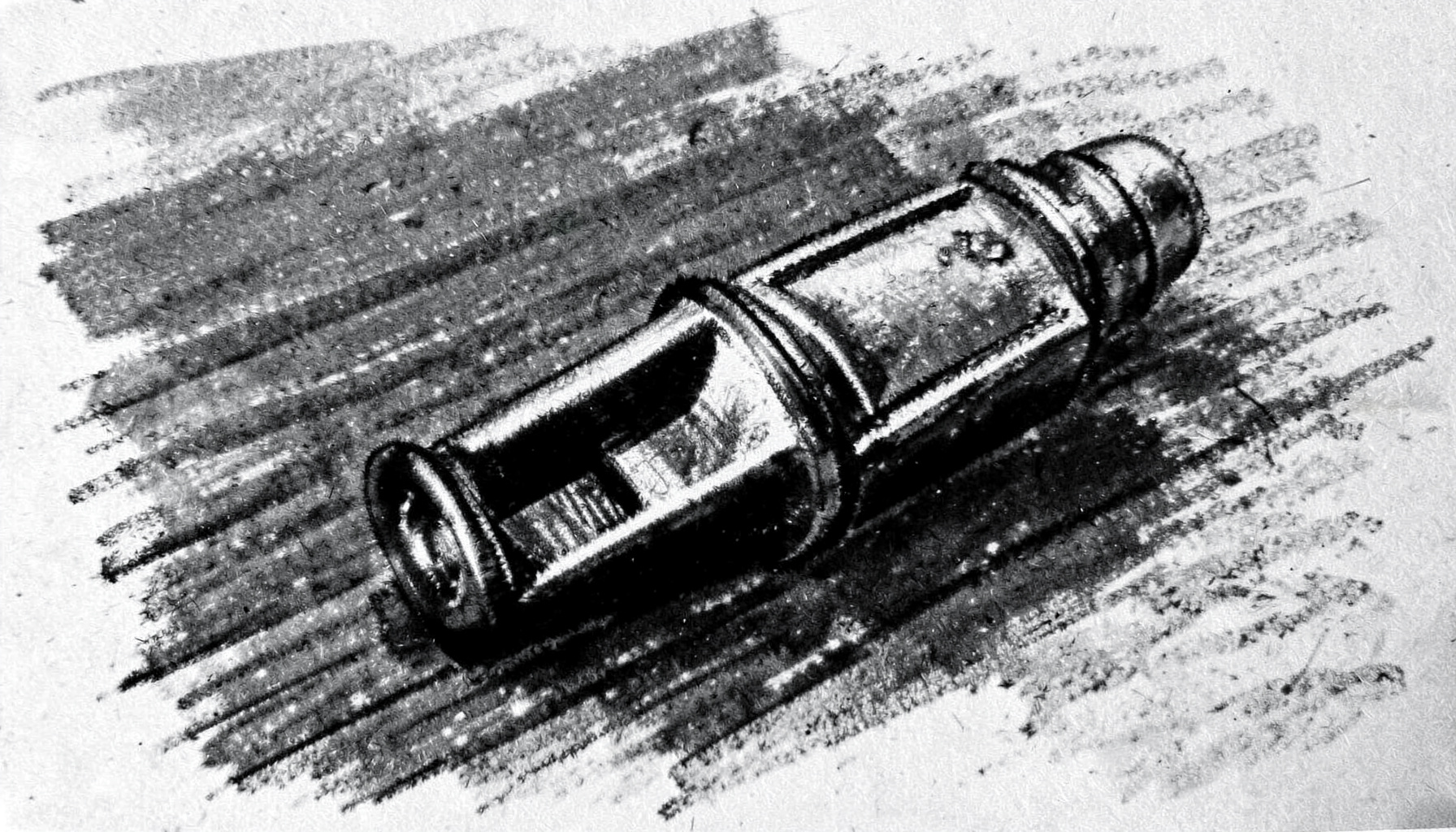
The dispute resolution framework exists to protect the people who give their time, energy, and expertise to high school sport. When officials and administrators approach every concern with professionalism and a willingness to engage with the process, the system works as intended. The strongest outcome of any dispute is the one that leaves both parties willing to pick up their whistle or clipboard again next season, ready to serve the game they signed up to support.