Backing officials when coaches turn up the heat
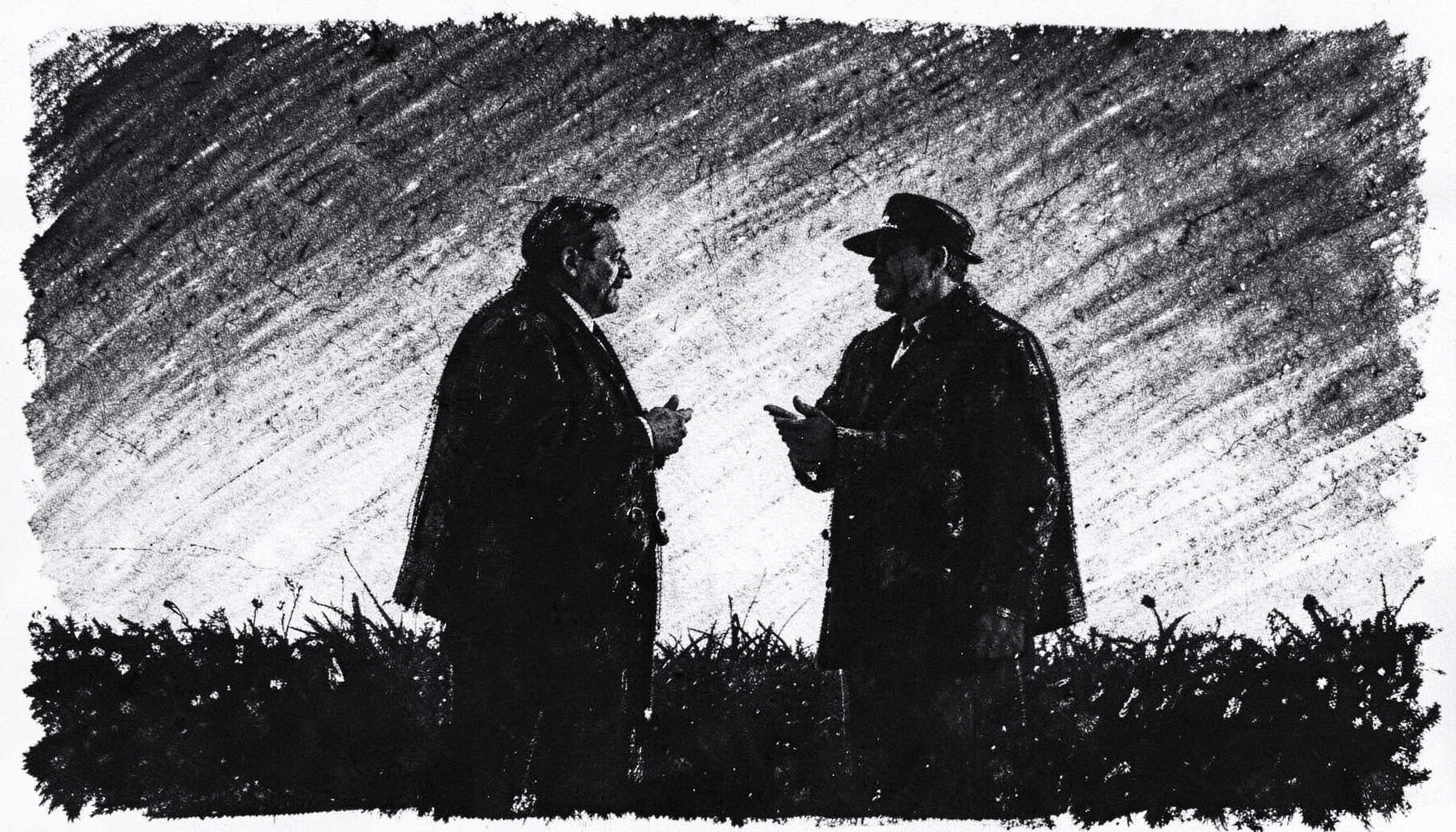
Every official has stood on a field, court, or track and felt the sting of a coach's frustration up close. Whether it is a sideline outburst, a post-game confrontation, or a season-long pattern of disrespect, difficult coaches are a reality in nearly every competitive sport. The challenge is not just surviving the moment; it is knowing that an entire organisation stands behind you when the pressure spikes.
In Australia, where rugby league, AFL, cricket, and community football thrive from Sydney to Perth, match officials face similar testing moments. Local associations across Brisbane and Melbourne have long grappled with sideline behaviour, and many Australian referees will recognise the scenes that play out on North Carolina pitches. The Southeastern Athletic Officials Association understands that an official's capacity to manage a hostile coach depends heavily on preparation, peer support, and the confidence that comes from belonging to a structured body.
SAOANC has built a framework specifically designed to help officials navigate those high-pressure interactions. From classroom modules to leadership advocacy, the association treats coach-conflict management as a core skill rather than an afterthought. The following sections outline how that framework operates in practice and why it matters for officials at every stage of their career.
Sharpening skills before the whistle
Preparation is the first line of defence when dealing with coaches who push boundaries. SAOANC runs regular clinics that walk officials through the psychology of sideline behaviour, teaching them how to read body language, defuse tension, and keep their composure when emotions run high. These sessions blend classroom discussion with on-field simulation, allowing newer officials to rehearse responses before they face a real confrontation.
The approach mirrors training seen in Australian rugby league development pathways, where match officials in Sydney and Canberra undergo scenario-based drills covering verbal abuse and aggressive body language. SAOANC has adapted similar principles for the high school sports it serves across southeastern North Carolina, ensuring that members step onto the field with rehearsed phrases, clear boundaries, and a calm mindset.
Beyond formal clinics, the association distributes written materials and video examples that break down common coach tactics. Officials learn the difference between passionate questioning and personal attacks, and they are coached on when to issue warnings, when to eject, and how to document each step for league records.
Mentors who have stood in your shoes
Even the best training cannot replicate the feeling of a veteran coach leaning in after a bad call. That is why SAOANC invests heavily in mentorship, pairing newer officials with experienced referees who have weathered decades of sideline storms. Mentors serve as sounding boards, offering perspective after heated games and helping mentees separate emotional reactions from professional judgement.
This kind of relationship is just as valued in Australian sport, where community leagues in Melbourne and Adelaide often rely on retired referees to guide newcomers through their first seasons. SAOANC formalises that tradition through structured mentor pairings, regular check-ins, and an open-door policy that encourages officials to call a veteran when a situation spirals.
Mentors frequently join their mentees at mid-season workshops, where groups dissect recent incidents and role-play better responses. The result is a tight-knit network in which no official has to process a difficult coach alone, and where hard-won wisdom passes directly from one generation to the next.
Leadership that speaks up for officials
When an official faces persistent harassment, the association's leadership becomes a critical ally. The Board of Directors actively reviews complaints, liaises with school administrators, and steps in when a coach's behaviour crosses the line. This top-down support signals to both coaches and officials that misconduct will not be tolerated or quietly swept aside.
In Australia, state sporting bodies such as the NRL and AFL have similarly empowered their boards to discipline abusive coaches and protect match officials. SAOANC follows that same philosophy, treating official welfare as a governance priority rather than a personal matter for individual referees to absorb alone.
Board members also work behind the scenes to revise policies, fund training initiatives, and represent officials in meetings with school athletic directors. That layer of institutional muscle means a difficult coach is rarely facing a lone referee; they are facing an organisation prepared to act.
Written standards that hold everyone accountable
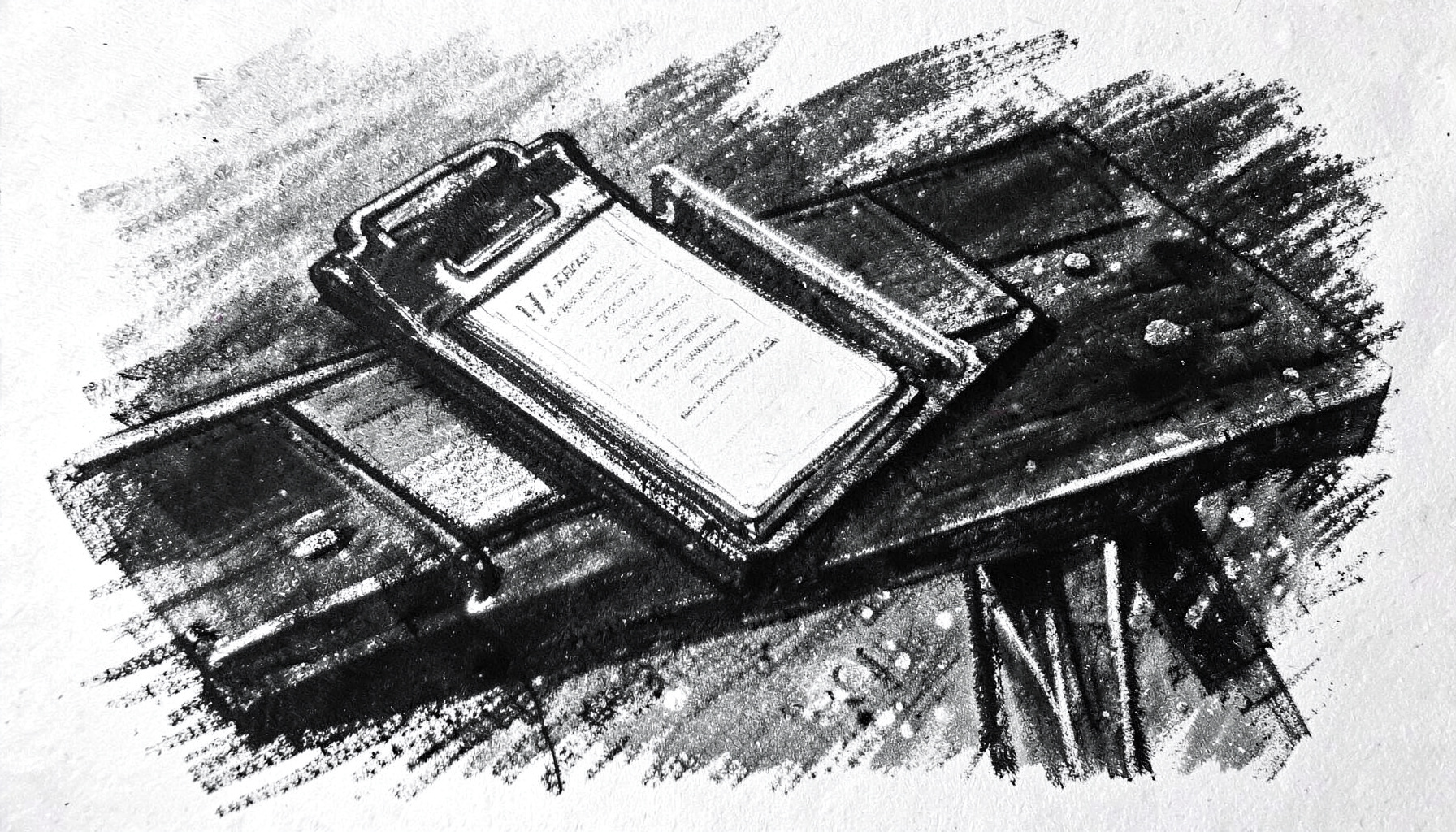
Clarity is essential when emotions are running hot, which is why SAOANC maintains a detailed code of conduct covering both coaches and officials. The document outlines acceptable behaviour, escalation procedures, and the consequences of crossing established boundaries. Officials are encouraged to keep a copy in their bag and to reference it whenever a conversation turns tense.
The association's expectations are summed up in a few key points every member should know:
- Verbal abuse, threats, or personal insults directed at an official can lead to immediate ejection and suspension.
- Repeated misconduct is reported to the school's athletic director and reviewed by the board.
- Officials are expected to remain professional, but they are never expected to absorb harassment in silence.
- Documentation, including written reports and witness statements, is encouraged whenever a coach's behaviour escalates.
These standards echo the codes used by Australian state associations, where written policies have become central to protecting referees in community rugby, cricket, and football. SAOANC regularly updates its guidelines to reflect feedback from members and emerging trends in coach behaviour.
Joining the ranks and continuing the growth
SAOANC's support structure begins long before an official steps onto a field. Prospective members can review the new official registration process to understand what training, background checks, and mentorship opportunities the association provides from day one. This onboarding pathway ensures that newcomers are not left to learn the hard way.
Once registered, officials gain access to a wide range of ongoing benefits designed to keep their skills sharp and their confidence high:
- Seasonal clinics covering rule updates, positioning, and conflict de-escalation.
- A private network of mentors and peers available for advice after difficult games.
- Eligibility for awards, recognition events, and professional development grants.
- Access to videos, photo libraries, and downloadable resources for continued study.
The association also hosts regular social events and award nights, recognising that morale is just as important as mechanics. In the same way that Australian clubs gather at season-end presentations in Perth and Hobart, SAOANC builds a culture where officials feel valued, supported, and ready for the next challenge.
The most important thing to remember is that no official should ever feel isolated when a coach's behaviour turns hostile. SAOANC exists to make sure preparation, mentorship, leadership, and clear standards line up behind every member, so that difficult coaches are met with a confident and protected referee rather than a vulnerable target.