

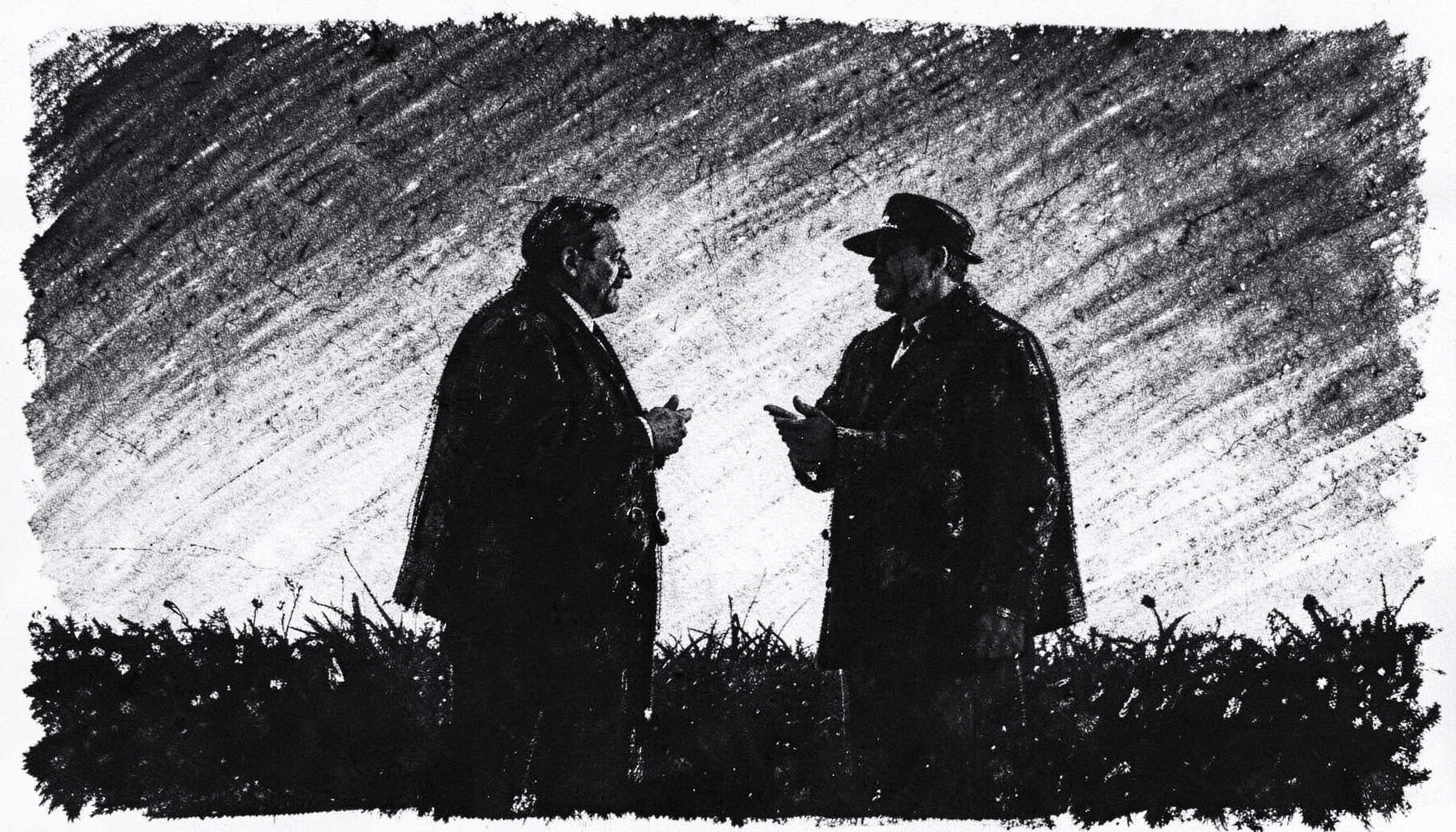
How officials build rapport without compromising authority
Officiating in Australia has grown into a sophisticated craft. From winter football fixtures in suburban Melbourne to summer cricket carnivals across regional Queensland, those who carry the whistle manage far more than rules. They read the moment, the body, and the voice while keeping the game flowing.
The hardest balance sits between warmth and weight. Players trust officials who feel human, but trust without structure turns to casualness. An umpire who laughs at every appeal loses the room when a tight call arrives. Authority without warmth reads as cold, distant, and easy to resent once pressure builds.
This piece is for new and developing officials who want to be approachable without becoming a pushover. It draws on field practice, behavioural cues, and wisdom passed down in changerooms from the southern leagues of Adelaide through to the coastal clubs of New South Wales.
Why rapport is not the same as friendship
A common misunderstanding among first-year officials is that rapport means being liked. It does not. Rapport is the silent agreement that the official is competent, fair, and worth listening to. Friendship sits in a different place, and mixing the two usually produces the worst of both worlds.
When an umpire chats at length with one player during a stoppage, the rest of the field reads it as favour. When an official barks at every exchange, players read it as ego. The middle path is calm, brief, and consistent. Greet players by name when possible, acknowledge a clean passage of play without losing neutrality, and keep your attention on the contest.
Australian sport is unusually conversational. From the banter in a suburban rugby league match in western Sydney to the cross-field chatter in a community A-League fixture, players talk. Officials who pretend this is not happening feel out of place. Officials who lean in too heavily lose the match.
Communication habits that build quiet credibility
The voice is the most underused tool in an official's kit. Tone carries more meaning than the words themselves, especially in loud outdoor venues where a grandstand can swallow a whistle. A short, level sentence lands harder than a long, shouted one.
Phrases like "I see it", "That is enough", and "We are moving on" work because they are calm, declarative, and final. Avoid hedging language such as "I think", "maybe", or "kind of" because it signals doubt, and doubt invites argument. Match-day pressure amplifies every wobble in your voice.
Body language does the rest. Eye contact at the right moment, a relaxed stance, and a face that does not react to every appeal communicates control. Officials who jump, point, or shake their head after each decision look like they are chasing the game rather than managing it.
Setting boundaries before you need them
Boundaries are easier to hold when they are set early. Introduce yourself before the toss, share a short expectation of conduct, and treat both captains the same way. This is standard practice in senior rugby union fixtures at Ballymore, in junior hockey across Perth, and in lower-grade community netball from Cairns to Geelong.
If a player tests a boundary, respond on the first occasion with a clear, neutral warning. Save escalation for the second. Officials who jump from friendly to punitive in a single step often find themselves at the centre of a complaint by halftime. Officials who move in measured steps keep the room with them.
The boundary worth protecting most is impartiality. Praise good play from both sides in equal measure. If you acknowledge a forward effort in the first half, find a backline moment in the second. Players notice patterns faster than officials expect.
Reading the field in Australian conditions
Conditions change how players behave, and officials who ignore this lose the room quickly. A winter afternoon at Whitten Oval in Melbourne's west can drop temperature enough to stiffen muscles and shorten tempers. A January fixture in Townsville is a different animal, with humidity turning tackles heavier and patience thinner.
Crowd culture varies by code. AFL Reserves crowds in country Victoria expect officials to be invisible until needed. NRL junior fixtures in western Sydney carry a louder, more constant soundtrack. Hockey Australia community matches tend to be tight, fast, and quick to appeal. Each environment rewards a slightly different balance of presence and restraint.
Officiating across codes builds this awareness. A referee who works both Super Rugby juniors and A-League second tiers learns that the same calm voice carries across formats, but the timing of interventions shifts. The best officials treat each venue as its own classroom.
Handling tense exchanges without losing the match
Tension is a signal, not a failure. When a player steps into your space and questions a decision, the goal is not to win the argument. The goal is to close the conversation, protect the player from sanction if possible, and reset the contest. Two techniques work better than any other.
The first is the broken record. Repeat a short, neutral sentence until the player walks away. "Play on, thank you" or "I have made my decision" repeated calmly will deflate most confrontations inside ten seconds. The second is the redirect. Acknowledge the player's feeling without agreeing with their argument, then point both teams back to the contest. "I hear you, we are moving on" lands softly and firmly at once.
When an exchange cannot be defused, the sanction must be clean and final. A yellow card delivered with a calm voice and a clear reason often restores order faster than a lecture. Officials who apologise for their own decisions in the changeroom afterwards undermine themselves. Stand by the call, learn from it, and reset next week.
Learning from veterans through mentorship and recognition
Almost every respected official in the country can point to one or two people who shaped their craft. The tradition of mentorship runs deep in Australian officiating, from the senior referees who run Saturday clinics in Brisbane's western suburbs to the senior members who travel the state to assess new talent. Their lessons are rarely about rules. They are about people.
Watching how a 20-year veteran handles a captain's query teaches more than a hundred training videos. Listening to a senior assessor give feedback after a close NRL junior match shows what a professional tone actually sounds like. These mentors often carry a quiet pride in their craft that shows in small things: a pressed uniform, a clean card, a hand extended to a young official at the end of the day.
Recognising those mentors matters too. Honouring veteran members keeps a regional culture alive, and the network that grows around such recognition gives newer officials a place to ask the awkward questions they would never raise in front of their peers.
Consistency as the long game of authority
Players forget individual decisions within minutes. They remember patterns. An official who gives one penalty for dissent in the first quarter and ignores the same act in the last quarter has not been lenient. They have been inconsistent, and inconsistency erodes trust faster than any single mistake.
Consistency does not mean rigidity. It means applying the same threshold across both teams, both halves, and both codes when you move between them. A referee who works local cricket on Saturday and hockey on Sunday brings the same baseline of calm to both fixtures, and that baseline is what players come to rely on.
The long game of authority is built on this reliability. A uniform helps, and a clear, professional appearance on the field is part of the message. Many associations support their members through dedicated uniform stores that supply the badges, jackets, and caps that signal a serious approach to the craft.
Practical habits worth building this season
A short list of habits can shift an official's presence within a single season.
- Greet captains by name before the toss and use their name again if a decision needs explaining.
- Keep your voice at a level just above the contest, not above the crowd.
- Acknowledge good play from both sides in each half, even if only through eye contact.
- Use the same short sentence for every dissent warning so players learn your pattern.
- Review one decision after every match, on your own, before the next game begins.
- Stay connected to a mentor or assessor who will tell you the truth you need to hear.
The most resonant authority on an Australian field is the kind that players barely notice, until the moment they rely on it. Build connection through small acts of respect, protect impartiality, and let the rest of the craft follow. Officials who hold this balance become the ones captains look for, players remember, and fellow whistleblowers quietly learn from.