Silent Signals That Strengthen Team Officiating
Good officiating depends on more than knowing the laws of the game. Partners must also read one another quickly, often while play is moving too fast for a full verbal explanation. A glance, hand position, change of stance or deliberate movement can communicate responsibility without distracting players, coaches or spectators.
This skill matters across basketball courts, football grounds, volleyball halls and baseball diamonds. The Southeastern Athletic Officials Association offers a useful model because its members work within a coordinated crew, supported by training, regional supervision and shared standards. For Australian officials working in Sydney, Brisbane, Melbourne or smaller community venues, the same habits can make a crew appear calm, consistent and ready.
Agree On A Shared Visual Language
Nonverbal communication works best when it is agreed before the match. During the pre-game conference, partners should decide who has primary responsibility for common situations: out-of-bounds calls, help on the far side, shots at the buzzer, substitutions, time-outs and possible misconduct. A brief phrase can establish the plan, while a matching gesture reinforces it.
The signals do not need to be elaborate. A firm point can indicate direction, an open palm can mean “I have it”, and a small tap near the chest can confirm that an official has seen contact or a developing incident. The important factor is consistency. If one official uses a raised finger to request attention while another interprets it as a foul signal, confusion follows.
Youth sport requires extra care. Officials should keep gestures clear and neutral, especially when players are still learning the rules and coaches may be watching every decision. Physical preparation also affects concentration; resources such as these nutrition suggestions can prompt useful discussion about fuelling young athletes before long tournament days.
Use Eye Contact With Purpose
Eye contact is one of the fastest ways to confirm that a partner has seen an incident. It should be brief, intentional and timed when play allows. After a deflection near the sideline, the official closest to the action can look across immediately. If the partner returns the glance and signals the same direction, the decision is visibly settled.
A longer look may communicate uncertainty, so officials should avoid repeatedly searching for approval. Players and coaches quickly notice hesitation. The lead official should show ownership of the call, while the supporting official can quietly confirm or correct it through an agreed signal. If a correction is necessary, it should happen before the restart whenever possible.
Australian venues often make this especially important. A Saturday fixture may take place on a crowded school court, under bright coastal light, or beside a noisy clubroom where verbal communication is easily lost. Officials who arrive early can walk the boundaries, identify blind spots and decide where eye contact will be easiest during transitions.
Manage Positioning And Movement
Where an official stands communicates responsibility before any signal is made. Good positioning gives partners a clear picture of the play and reduces the need for urgent explanation. In a two-official system, one official may lead the play while the other trails at a useful angle. In a larger crew, deliberate spacing helps everyone maintain coverage without crowding the same incident.
Movement should be purposeful rather than reactive. A short step toward a developing confrontation shows awareness. Moving into the gap between players may help prevent escalation, while standing still and observing can be the better choice when intervention would inflame emotions. The crew’s body language should suggest control without becoming theatrical.
Travel and venue conditions also shape these decisions. An official moving between community competitions in Brisbane or regional New South Wales may work on different court surfaces, with varying run-off areas and lighting. Before play, partners should identify safe movement lanes and agree on how to cover a fast break, a long clearance or a crowded substitution area.
Show Composure During Disagreement
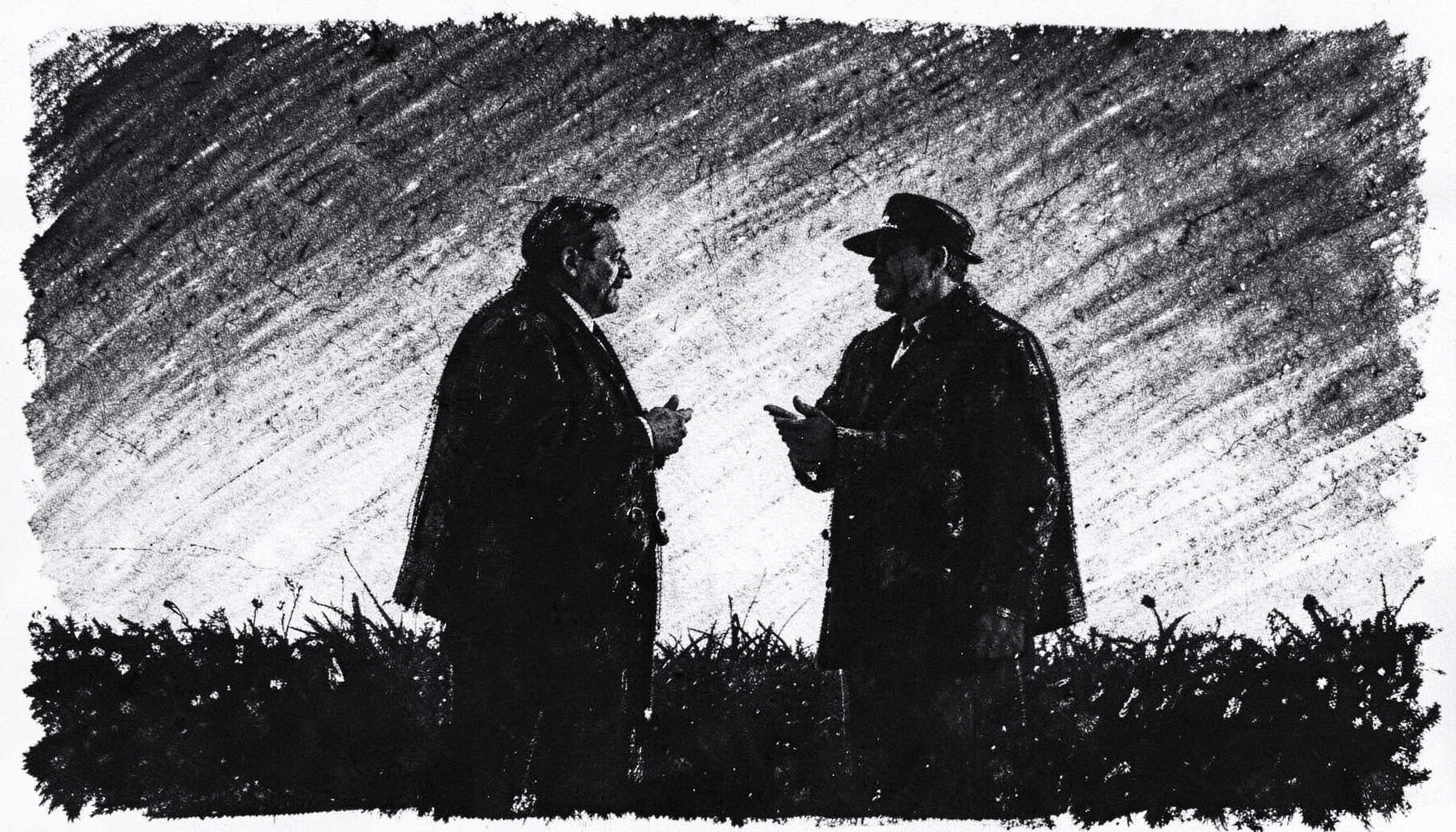
Partners will occasionally see an incident differently. The worst response is a visible argument: shaking the head, throwing up both hands or turning away in frustration. Those reactions invite players and coaches to challenge the crew’s unity. A calm pause, direct eye contact and a discreet consultation signal provide space to reassess without advertising conflict.
When a correction is needed, the official who owns the call should accept it professionally. The partner can approach with measured pace, speak quietly and use a neutral hand signal rather than pointing aggressively. Once the decision is settled, both officials should return to their positions with the same composed posture. Consistency after disagreement matters as much as the original ruling.
Recognition and professional gatherings can strengthen this shared culture. Information about the annual awards ceremony illustrates how officiating organisations use community events to recognise service and reinforce standards. Australian associations can draw on the same idea through end-of-season presentations, local umpire dinners and practical video review sessions.
Build Habits For Safety And Accountability
Nonverbal signals should support safety, especially when an injury, concussion concern or confrontation occurs. A raised arm can stop attention from drifting, while directing a partner toward the bench, scorer’s table or nearest supervisor can speed up the response. The crew should know who manages players, who records the incident and who controls the restart.
Safety responsibilities sit within a wider legal setting. Australian officials should follow the relevant state or territory rules, venue procedures and sport-specific concussion policies, while clubs must meet their obligations under applicable Work Health and Safety legislation. Child-related roles may also require a Working with Children Check, depending on the state and the duties involved. Silent communication cannot replace those formal processes, but it can help a crew apply them promptly.
Record-keeping is another form of professional communication. After the game, partners should compare key incidents while details remain fresh: unusual signals, missed coverage, injury management and moments when spectators or coaches affected concentration. If an official earns income across several associations, it is also sensible to keep accurate payment records and check Australian Taxation Office requirements, including whether an ABN or GST registration becomes relevant.
Training should include more than memorising hand signals. Officials can practise a complete sequence: recognise the incident, make eye contact, signal responsibility, move into position and reset. Video-based discussion is useful because it reveals habits that feel invisible in real time. Broader officiating communities, including officials development, can also provide examples of how crews use positioning and visual cues in fast-moving sport.
A practical pre-game routine can be short. Partners identify the main coverage areas, confirm emergency procedures, rehearse two or three signals and agree that a raised hand means immediate attention. During play, each official then uses eye contact, posture and movement to reinforce the plan rather than inventing new messages.
Officials who need association information, training details or direct administrative guidance can use the SAOANC contact page as an example of how a governing body connects members with support. The principle applies locally: clear channels before and after a fixture make communication during the match more reliable.
On the next match day, take two minutes before the opening whistle to agree on signals, identify coverage responsibilities and rehearse the response to an injury or disagreement. Then use one calm gesture, one purposeful look and one well-timed movement at a time; that simple discipline turns separate officials into a coordinated team.