Staying Calm When a Spectator Becomes Confrontational
A confrontational spectator can turn a routine sporting moment into a tense, distracting exchange. The person may be angry about a decision, frustrated by the scoreboard, affected by alcohol, or simply looking for someone to blame. An official who responds emotionally can quickly lose control of the interaction and make the situation harder for players, coaches, colleagues, and venue staff.
The aim is not to win an argument. It is to protect safety, maintain authority, and keep the contest focused on the rules. Whether you are officiating basketball in Brisbane, football in Melbourne, netball in Sydney, or a school match in regional New South Wales, the same principles apply: stay composed, use clear boundaries, and involve support before a disagreement becomes a threat.
Recognise The Difference Between Frustration And Threat
Not every complaint requires the same response. A spectator who calls out from the grandstand may be expressing disappointment, while someone who follows an official, blocks a path, makes personal threats, or attempts to enter a restricted area has crossed into a safety concern. Reading the behaviour accurately helps you avoid both overreacting and underreacting.
Pay attention to volume, distance, body language, and persistence. Swearing, clenched fists, aggressive pointing, invading personal space, and repeated attempts to continue the exchange are warning signs. Alcohol can intensify poor judgement, particularly at evening fixtures or venues where spectators have been drinking before arrival. Never rely on the hope that an agitated person will calm down without a clear boundary.
Officials should also know the venue’s incident process before the match begins. Identify the duty manager, ground marshal, security contact, first-aid point, and safe route away from the playing area. Australian workplaces, including sporting environments, operate under work health and safety duties that require risks to be identified and managed. In practical terms, personal safety comes before finishing a conversation.
Use A Calm And Controlled Response
Your voice is one of your most effective tools. Speak slowly, keep your volume steady, and use short sentences. Avoid sarcasm, insults, mocking gestures, or a running commentary that invites a longer dispute. A calm tone does not mean weakness; it demonstrates that the situation is being managed by someone who is thinking clearly.
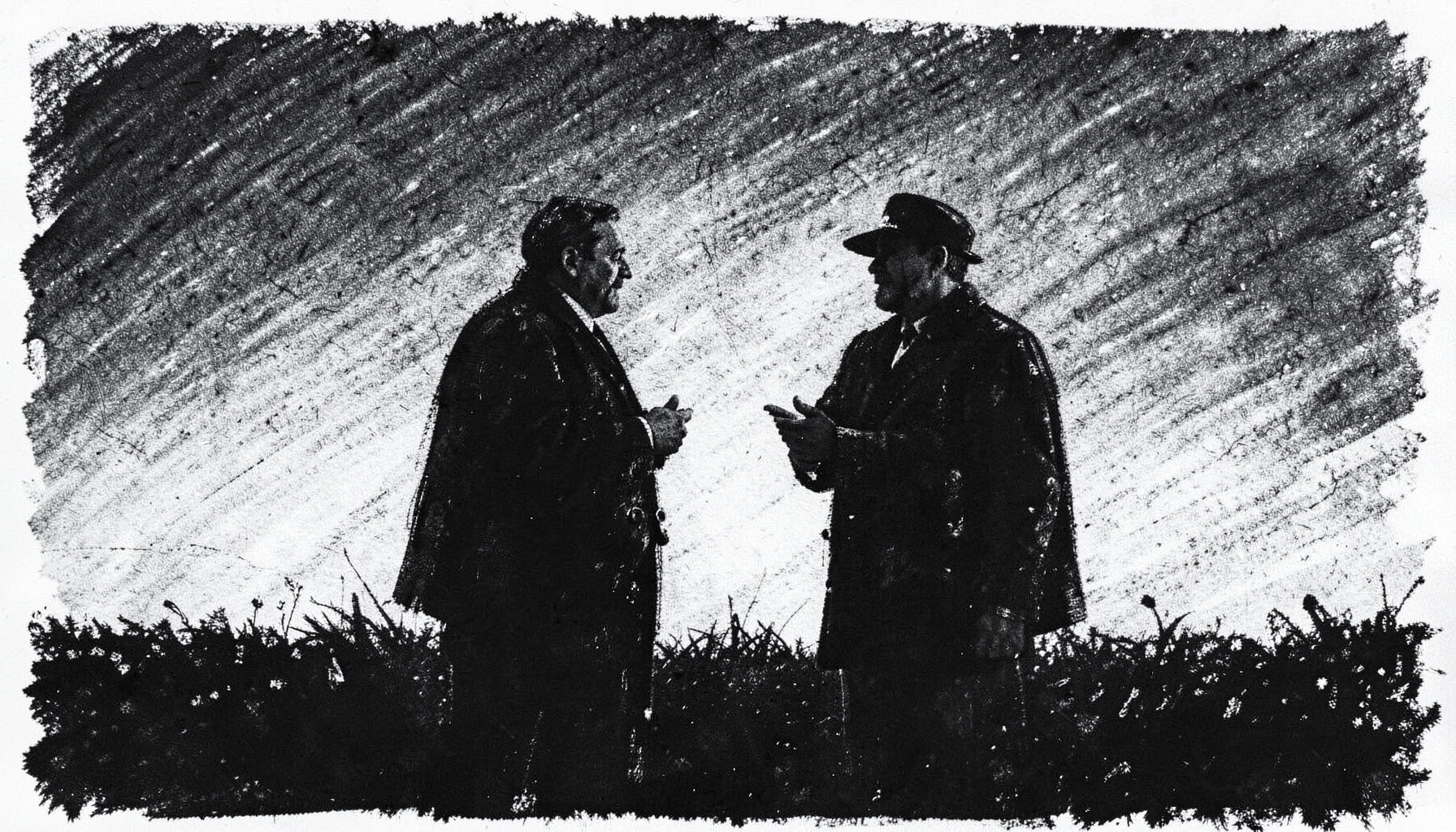
A useful response has three parts: acknowledge the concern, state the limit, and explain what happens next. You might say, “I understand you disagree with the decision. I will not continue this conversation while you are shouting. Please step back, or I will ask venue staff to assist.” The wording is firm without making a personal attack.
Do not debate every detail of the decision from the sideline or boundary. Spectators rarely have the full view, and arguing over small points can give an aggressive person more opportunities to challenge you. If the rules allow a brief explanation, provide it once. Then return your attention to the match and maintain awareness of the person’s location.
Keep Your Body Language Professional
Composure is communicated physically as well as verbally. Stand upright, keep your hands visible and relaxed, and maintain a neutral facial expression. Position yourself at an angle rather than directly chest-to-chest. This reduces the sense of confrontation and gives you a clearer route away if the person moves closer.
Keep a safe distance and avoid touching the spectator, even if you want to guide them backwards. Physical contact can be misunderstood, escalate the exchange, or create a complaint against the official. Do not allow yourself to be cornered near a fence, equipment area, tunnel, car park, or changing-room entrance. Move towards colleagues, venue staff, or a public area with clear visibility.
In Australia, many competitions rely on volunteers and part-time officials who may not have formal security training. That makes simple prevention especially valuable. At a local club in Adelaide or Perth, a pre-match conversation with the marshal can be as important as checking the whistle, timing equipment, or playing surface. Arrange a discreet signal so help can arrive without creating additional drama.
Work As A Team And Record The Incident
A difficult spectator should not become an individual official’s private problem. If another official, supervisor, coach, or venue employee is nearby, calmly ask for assistance. Use factual language such as, “I need support at the southern sideline,” rather than making a dramatic announcement that may inflame the crowd.
The official who is managing play should generally remain focused on the contest while a colleague or venue representative handles the spectator. If the person enters the playing area, threatens violence, interferes with participants, or refuses to leave a restricted zone, pause the contest when permitted and follow the competition’s escalation procedure. Serious incidents may require security or police attendance. Do not attempt to physically remove someone unless you are specifically authorised and trained to do so.
After the fixture, write down what happened while the details are fresh. Include the date, venue, time, exact words where possible, actions taken, witnesses, and any effect on the match. Separate observations from assumptions: “The spectator stood approximately one metre away and pointed a finger” is stronger than “The spectator was out of control.” A clear report supports supervisors, venue managers, and future risk assessments.
Good organisations also recognise the people who continue serving sport through difficult moments. The Southeastern Athletic Officials Association’s service recognition approach reflects the value of experience, reliability, and commitment. In any association, experienced officials can help newer members rehearse responses to challenging behaviour before it occurs.
Prepare For The Environment Before The Match
Preparation reduces the chance that a heated exchange will catch you off guard. Arrive early enough to inspect access points, crowd areas, lighting, exits, and communication arrangements. Confirm who has authority to remove a spectator and whether the venue has a code of conduct displayed at entrances or printed on tickets.
Local conditions matter. A summer match in Queensland may involve heat, dehydration, and short tempers, while a winter evening in Hobart may leave officials dealing with darkness and reduced visibility around the car park. At major grounds in Sydney or Melbourne, digital ticketing and designated spectator zones can make access control easier, whereas a small community oval may depend on a few volunteers and familiar faces.
Officials should also look after their own mental and physical readiness. Regular hydration, a proper meal, suitable footwear, and a short reset between matches all support better decision-making. Some officials use strength and conditioning to build resilience for long days on their feet; a strength training resource can be relevant when developing a sensible physical routine, provided training is appropriate to age, health, and workload.
Professional presentation can help establish authority before a disagreement starts. Clean equipment, clear identification, and consistent conduct signal that the official is accountable and prepared. Associations that sell clothing or accessories can help members present a unified standard; officials may find practical items through association merchandise when preparing for fixtures, clinics, or recruitment events.
Practical Habits For Difficult Spectator Encounters
Build these habits into your normal match routine:
- Learn the venue’s safety procedure and identify the person responsible for spectator behaviour.
- Keep a safe distance, maintain an exit route, and avoid being isolated with an angry person.
- Acknowledge disagreement without apologising for a correct decision or arguing about every detail.
- Use one clear boundary, then disengage and request support if the conduct continues.
- Ask a colleague or venue representative to monitor the spectator while play continues.
- Record threats, abusive conduct, interference, and witnesses as soon as the event is over.
- Debrief after serious incidents so the association can improve training and venue planning.
A debrief should support the official rather than blame them. Supervisors can review whether the response was proportionate, whether the venue’s controls worked, and whether the person should be excluded from future fixtures. If an official feels shaken after a threat, that reaction is normal and deserves attention. Speaking with a trusted colleague, supervisor, employee assistance service, or health professional can help prevent one incident from affecting confidence at the next match.
The strongest response to a confrontational spectator is calm, brief, and supported by a clear process. You do not need to match anger with anger or prove that you are right in front of a crowd. Recognise the warning signs, set a respectful boundary, move towards safety, and involve the right people early. The result worth remembering is simple: protect people, protect the contest, and keep control of your own conduct.