Handling the post-game handshake line as an official
A post-game handshake line can look routine while carrying plenty of emotional weight. Players who have just argued a decision, endured a hard contest or lost in front of a home crowd may meet again within minutes of the final whistle. At community fixtures across Australia, that moment ranges from a warm shoulder-to-shoulder greeting to a tense few seconds that officials must manage well.
The official’s role extends beyond the final call. It includes setting boundaries, watching for escalation, protecting the route out of the playing area and recording serious behaviour through the proper channel. The approach must fit Australian sport’s state-based market, where local clubs and governing bodies such as Rugby NSW, Cricket Queensland and Football Victoria may each apply their own traditions, and where many volunteers officiate in front of children and families.
Preparing the line before the final whistle
Before the players arrive, confirm how the handshake process works. Check the competition handbook, the pre-match briefing and any venue instructions. Will captains lead their teams, will players move in two separate lines, and is an official expected to join? A custom standard in cricket or rugby league may not appear in every Australian rules competition or junior code, so published rules should take priority over habit.
Site the exchange where it will not block a gate, car park entrance or medical route. At a suburban rugby league ground in Sydney, a cold Newcastle afternoon or a crowded Toowoomba cricket oval, weather and spectator numbers can alter the safest arrangement. Keep first-aid access clear and decide in advance who will move spectators if the line stops.
Preparation also includes knowing when to seek help from a supervisor or experienced official. Australian certification and safeguarding requirements vary by state, while the association’s North Carolina region explains its own umpire certification pathway for new baseball umpires. Prospective officials can use that example to identify the training, assessment and conduct expectations they should ask about locally.
Establishing a respectful standard for the exchange
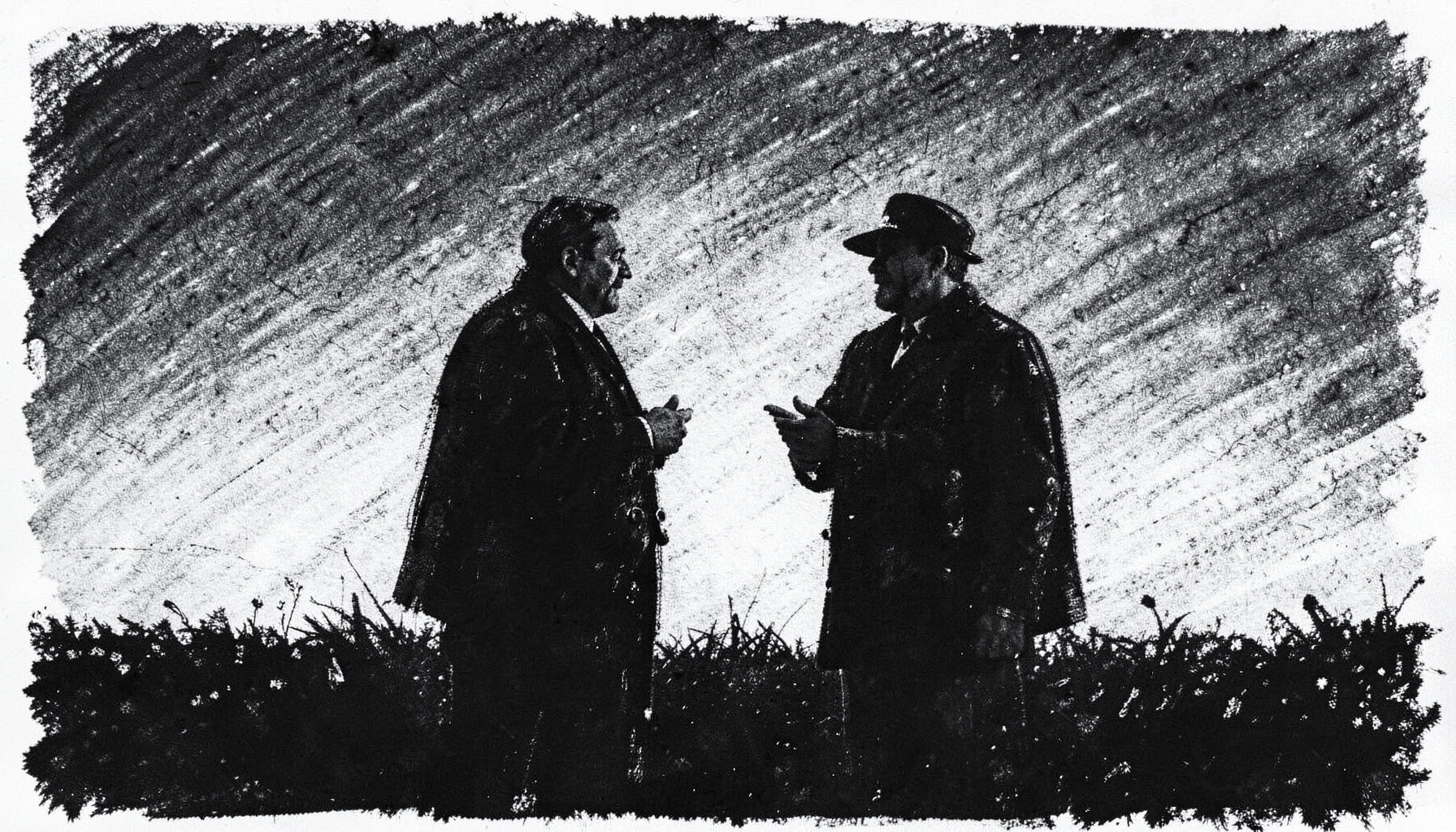
The official sets the tone before the first greeting and models the sportsmanship expected from the teams. Stand where competitors can see you, keep an open posture and avoid pointing, shouting or using a hand signal intended for a match decision. A brief “good game” or “cheers” can ease the atmosphere when delivered warmly, but a sarcastic tone can make matters worse. Speak to players as adults, even when frustration is obvious.
Use plain, calm language and give people room. If the protocol requires you to join the greeting, move with the line, keep the contact brief and neutral, and never use the handshake to reopen a dispute about a decision. “Let’s give each team some space, please” is more useful than asking why they are annoyed. “No worries, we’ll reset the line” can settle a minor pause, while a firmer “I need the area cleared now” is appropriate when people are blocking the route.
Handshake-line behaviour may travel quickly through social media, especially when a player appears to snub an opponent. Officials should not encourage photographs of heated exchanges or publish comments while emotions are running high. Clubs sharing reaction shots or match reports should confirm consent and ensure the material remains accessible to different users; accessible mouse guidance can prompt that check before publication.
Reading behaviour as the teams approach
Watch the approach rather than assuming every handshake will be positive. A player who stops abruptly, stares at a rival, touches a chest or repeatedly looks toward the bench may indicate tension, although one gesture alone proves nothing. Consider the sequence, tone of voice and whether the other team responds. Crowd noise can make an ordinary exchange sound more confrontational than it is.
Move along the line rather than standing over a particular pair. Keep exits and the space between teams unobstructed, and avoid funnelling players into a narrow corridor. If one team bunches up, direct the group back into its normal formation. If a spectator steps onto the route, pause the flow and have the nearest steward or supervisor help.
The ritual itself should not become more important than good judgement. Some Australian competitions use a formal line, some use a quick wave, and some leave the choice to club tradition. An organiser might reckon that silence means disrespect, but officials should not invent a breach where the rules are silent. Respect can be shown by a handshake, a nod, a verbal acknowledgment or simply allowing the other team to leave without interference.
Resolving tension without making it worse
When voices rise, use a simple sequence: pause, separate, speak and escalate. Stop the line so the pair are no longer face to face, create distance and address one person at a time. Remain visible and use an even volume. Do not grab a player, block a lawful exit or argue about the decision that caused the dispute; that work belongs with the designated process after the match.
Choose words that describe the next action rather than assign blame. “Let’s make room for the teams to pass” and “I’ll speak with each captain separately” reduce the personal temperature. Give people a few seconds to comply. If the behaviour continues, involve the supervisor, team manager, venue staff or security according to the venue plan rather than relying on the nearest bystander.
A refusal to shake hands is not automatically a serious incident, but threats, pushing or a charge require a clear response. Stop the exchange, call for assistance and prioritise medical support if needed. Officials in the association’s region can use contact the association to identify the correct supervisory channel, while Australian officials should follow the reporting route published by their state body, club or competition provider.
Recording incidents and sharing useful reports
Make notes while events are fresh, then separate observable facts from assumptions. Note the time, location, teams involved, people who witnessed the incident and the actions taken. “Player A turned away and spoke loudly” is reportable; “Player A was disrespecting the other team” is an interpretation that may belong to a formal misconduct process.
A useful post-match report follows these recommendations:
- Record observable behaviour, including exact words when they are clear enough to recall.
- Describe the sequence of events and identify which official or steward took each action.
- Separate management of the handshake line from any later disciplinary investigation.
- Keep names and images private unless there is a lawful, relevant reason to share them.
- Follow the competition’s safeguarding, privacy and reporting requirements without delay.
Deliver the report through the designated supervisor and retain a copy for the official’s own records. Match administration, safety intervention and formal discipline are different functions; completing a report does not make the official the investigator. Anyone unsure about the route can check the association’s leadership information on association board members and confirm the proper contact before submitting sensitive details.
The standard to carry beyond the final whistle
A successful handshake line is not measured by whether every player touches hands. It is measured by whether the process remains safe, orderly and respectful while the teams leave the field. That standard matters most at community venues, where players, parents and volunteers often know one another and a brief intervention can prevent a dispute from spreading through the crowd or onto local social media.
The last thing an official should remember is the reason for the final whistle itself: decisions made with calm, consistency and care. The same qualities should carry into the handshake line, leaving both teams free to leave the venue with dignity intact.