Running pre-game meetings with coaches that actually work
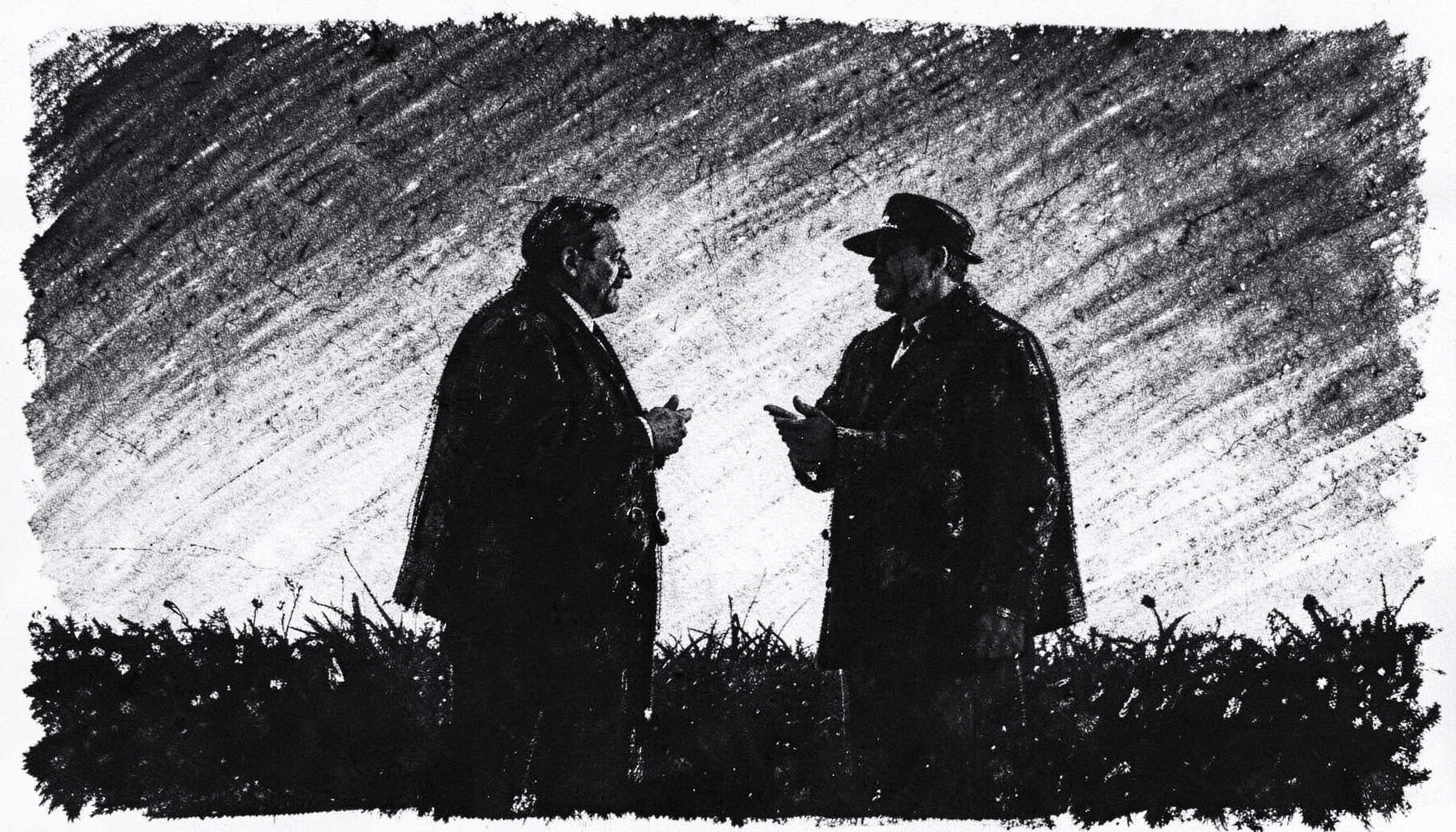
A pre-game conversation with a head coach can set the tone for the entire contest. Done well, it clears up misunderstandings, prevents flashpoints and lets officials focus on the game itself. Done poorly, it plants seeds of resentment that follow crews into the second half and beyond.
For newer officials working Saturday fixtures at suburban grounds across Brisbane, Adelaide or Perth, the meeting often feels like an obstacle rather than an opportunity. The clock is ticking, the trainers are calling players in from the warm-up area, and the coach is already scanning for an edge.
Without a clear structure, the chat becomes a vague exchange of pleasantries that achieves very little. With a structure, it becomes a brief, professional exchange that everyone remembers. Officials who treat the pre-game as a chance to build rapport rather than recite rules tend to get fewer complaints and smoother games.
The same meeting looks different depending on the sport. A rugby league referee at a suburban oval in western Sydney deals with a different kind of intensity than a soccer official managing a regional under-18 fixture in Hobart. The core skills are the same: listening carefully, repeating key points, and walking away without overpromising.
Why pre-game meetings matter beyond the rule book
A pre-game meeting is rarely the place where a referee learns something genuinely new about the laws of the game. Both sides know them. What the meeting offers is a chance to manage expectations. When a coach understands what the crew will and will not tolerate, the contest tends to flow more cleanly.
For officials working under the various state-level associations that govern community sport in Australia, the meeting acts as a quiet risk-management tool. Coaches who feel brushed off at the coin toss are more likely to later file a complaint with their peak body, which can pull an official away from duties while an investigation runs. A calm, thorough exchange early on reduces that risk considerably.
The meeting gives crews a chance to clarify sport-specific quirks. Rugby union has its own scrum-engagement protocols. Rugby league has its ten-metre rule interpretations. Soccer has offside-line mechanics that some coaches still misunderstand. Each can be touched on briefly to confirm that the crew and the technical area are aligned. Officials familiar with the football officiating page of the SAOANC will recognise these conversations often follow similar scripts across codes.
Setting the right tone before kick-off
The first ten seconds of a pre-game meeting often decide how the next ninety minutes will go. Walking up with a relaxed posture, making eye contact, and offering a brief greeting sets a different tone than approaching with a clipboard. Coaches read body language quickly, and referees should treat their own the same way.
One of the easiest ways to lose control of the meeting is to start defending decisions made in a game the coach did not even play in. A clean reset, where the only agenda is the game about to be played, keeps things focused.
Practical touches help. Introducing the full crew by name, confirming the match clock, and asking the coach if there are any concerns about player safety all signal that the crew is organised. Officials working community rugby league in places like the Gold Coast or Newcastle often find that asking a brief question about a returning player from injury opens a useful two-way exchange. The atmosphere inside a packed venue, similar to the patterns described in the arena atmosphere research from Oregon, can turn routine contact into something far more charged.
Useful questions for the first minute
- Any injury or return-to-play concerns on the squad sheet?
- Anything about ground or surface conditions worth flagging?
- Will both captains be available for the coin toss?
- Any substitute or bench number changes since the team was named?
Handling difficult coaches with confidence
Every referee will eventually meet a coach who belies their title. The one who brings up a decision from three rounds back, or who treats the meeting as a chance to lobby for special treatment. The skill is to acknowledge the comment without surrendering the floor.
A short, polite acknowledgement works well. "I hear you on that one, we'll keep an eye on it today" often defuses a remark without committing the crew to anything. Ignoring the comment, or arguing back, usually hardens the coach's position.
Sometimes a coach will raise a genuinely tricky issue. Officiating under the National Sports Tribunal framework in Australia means some matters sit outside the on-field crew's hands. Officials can politely point the coach towards the correct escalation pathway. Officials who feel unsure about which issues belong on the field and which belong to the governing body can check the lifetime members recognition page, where experienced officials often share notes on handling unusual situations.
Documenting what was said and agreed
Memory is unreliable, and pre-game meetings are no exception. Crews that rely solely on what was said during a quick exchange at the sideline can find themselves caught off guard later. A short note made immediately after the meeting, even on the back of a match sheet, can save hours of back-and-forth later in the season.
Documentation also protects the official. If a coach later claims the crew agreed to something they did not, a contemporaneous note resolves the dispute quickly. Australia's anti-bullying workplace laws, including amendments introduced under the Fair Work Act, mean officials who feel personally targeted by a coach have stronger recourse than they once did. Keeping a record is a sensible precaution regardless of whether the formal complaint pathway is ever used.
Officials working from the SAOANC website can download standard templates that prompt them to cover the key points without having to remember the full list themselves.
Worth recording after the meeting
- Names of players flagged for injury or disciplinary reasons
- Any unusual interpretation of the rules discussed
- Ground or weather conditions at kick-off
- Names of coaching staff matched at kick-off
- Any commitment made by either side during the meeting
Cultural awareness in Australian settings
Sport in Australia carries a cultural weight that visitors sometimes underestimate. A pre-game meeting on a winter afternoon in Melbourne is a different proposition from a humid Friday night fixture in Darwin. In community sport, where many coaches are parents stepping up for the season, the dynamic is often softer than at elite level. In semi-professional fixtures in Brisbane or Sydney, where coaches are paid and under pressure from club boards, the tone can be sharper.
Officials who also work with Indigenous sporting organisations may find themselves in meetings where cultural protocols around language and authority matter. A brief check with the local association about appropriate greetings goes a long way. Similarly, officials working with culturally and linguistically diverse communities in western Sydney or south-east Melbourne may want to slow their speech and avoid jargon.
Australia also has its own set of state-level sporting tribunals, and a national integrity framework administered through Sport Australia. Officials who mention these bodies when they clarify an issue can sometimes defuse a tense meeting quickly.
Building long-term relationships with coaching staff
A referee who sees the same coach three or four times in a season has an opportunity that one-off officials never do. The first meeting is about clarifying the rules. By the third or fifth meeting, it can be about building a working relationship that smooths every fixture afterwards.
Practical ways to build the relationship include remembering small details from previous chats, congratulating the coach when a player returns from injury, and following up on any commitment the official made. Officials who follow through become the kind of referees that coaches ask for by name, which is good for the assignment schedule and good for the game. There is a limit though. Officials should not become friends with coaches, and the meeting should never blur into territory where professional distance is lost.
For crews looking to refine their pre-game approach, even the gear matters. A flat whistle battery or a torn flag quietly shifts the tone of any meeting. Newer officials often source their equipment from established official equipment suppliers to keep the basics handled long before kick-off.
The pre-game meeting is a small investment of time with a large return across a season. Treat it as a chance to clarify expectations, manage tone, and build a working relationship, and the rest of the matchday tends to take care of itself.