How to Position Yourself for Optimal Sightlines on the Basketball Court
Basketball officiating is a visibility problem before it is a rules problem. If an official cannot see the ball, the defender contesting it and the relevant boundary at the same moment, the signal will probably be late. Positioning yourself for optimal sightlines means creating a clear angle and preserving it through movement rather than chasing the play.
Good positioning is planned, balanced and shared. A referee establishes a reference point, reads the possession and moves only when the next position offers a better view. Those principles suit a polished indoor arena in Melbourne or a sunlit suburban court in Brisbane, although weather, surface quality and local competition rules still shape the final adjustment.
Establish a Reliable Court Reference
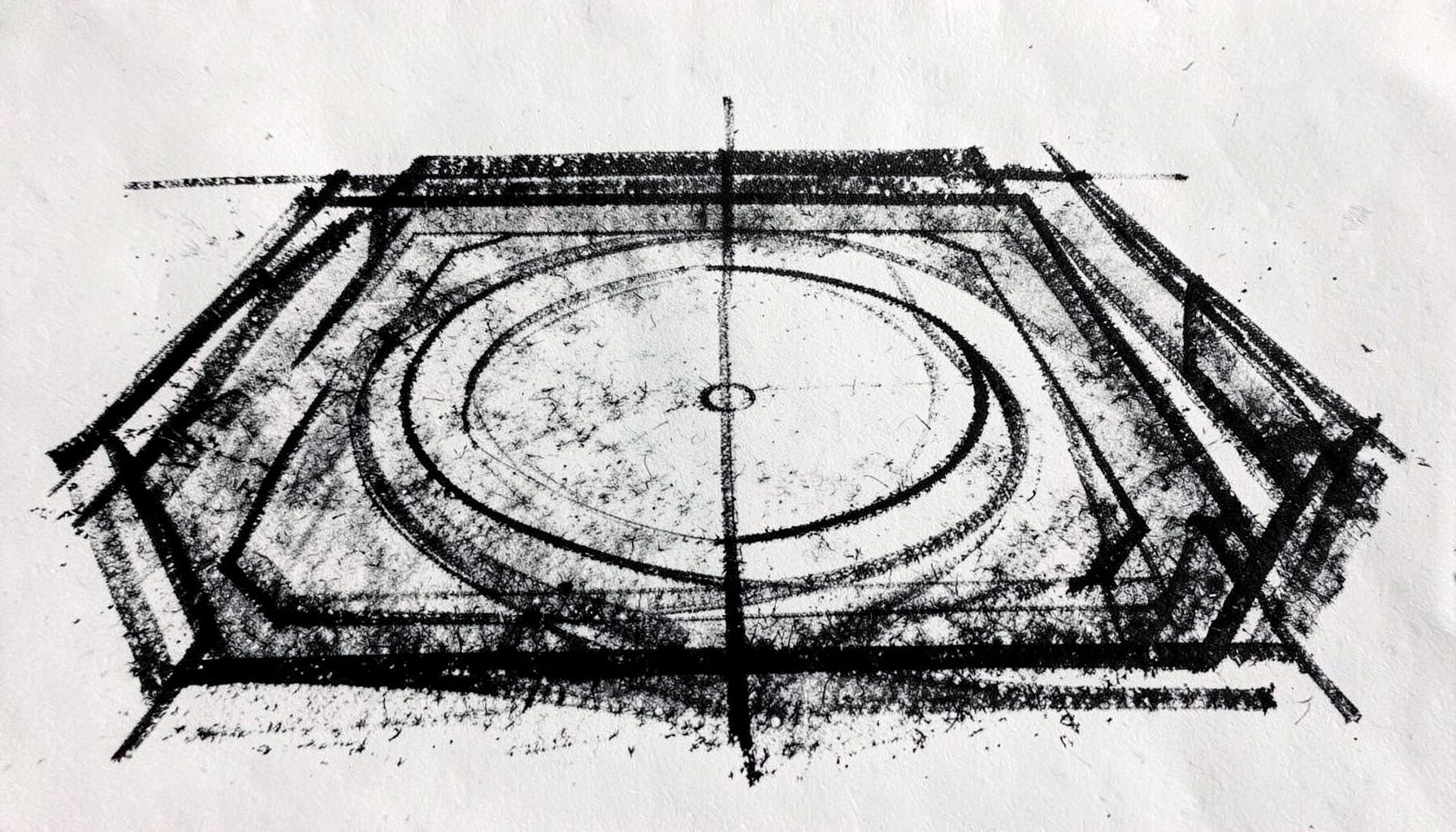
Treat the court as a set of reference points, not a collection of places to stand. The sideline, baseline, centre line, three-point arc and restricted-area markings show where the action should be and what happens when it moves. Pick a position from which the ball, the nearest defender and the relevant boundary remain visible, then adjust your distance from the play according to its speed.
Most Australian club basketball follows FIBA rules through Basketball Australia and its state associations, giving officials familiar court dimensions and scoring geometry. School and social competitions can apply modified rules, however, so the event rulebook determines the actual boundary and clock requirements. An official who knows which line matters can select an angle showing both the contest and the space beyond it.
The Southeastern Athletic Officials Association’s basketball program provides useful material on the roles attached to these positions. Its southeastern North Carolina setting may differ from an Australian club schedule, yet the basic task is identical: divide the floor, preserve a shared view and avoid blocking the action with your own body.
Use Balance and Vision to Preserve the Angle
Start from a balanced platform rather than a dramatic angle. Feet should be about shoulder-width apart, knees softly flexed and the torso open toward the court. Keep the head comparatively still while the eyes move; turning the whole upper body after every pass can pull the official away from the reference point. Peripheral vision then picks up cutters, weak-side players and movement near the boundary.
Movement should answer a specific change in the play. When the ball goes behind a player, shift to keep the gather visible; when a defender closes out, open the angle between that player and the ball handler. During transition, turn and find open floor before running. Small lateral adjustments often preserve a better view than chasing the dribbler toward the baseline.
Training turns that judgment into a repeatable routine. Record a short sequence from a legal spectator angle, then review it with the video review resource from the Southeastern Athletic Officials Association. Look for the moment your view narrowed, identify whether it came from distance, body position or an obstructed lane, and choose one correction for the next game.
Visual and Movement Checks for Each Possession
These checks are useful across levels of play, although experienced officials will adjust them for player speed, court size and the age of the competitors. Before the ball moves, use this positioning check:
- Set your feet before the pass or dribble begins, with your viewing side open and your weight balanced.
- Keep the ball handler, primary defender and scoring area within one broad visual field.
- Check both corners and the weak-side perimeter before concentrating on the ball.
- Choose a reference line that is clear of chairs, the scorer’s table, spectators and equipment.
Once possession develops, the position should change for a clear reason:
- On a perimeter closeout, widen your stance and step sideways so the ball handler remains visible beside the defender.
- During a drive, retreat diagonally to separate the ball from the trailing defender.
- In transition, turn first, then run into open space rather than directly behind the ball carrier.
- On a baseline inbound, move enough to see the inbounder and the first cutter without leaving your assigned area.
- At a free throw, take an angle that includes the shooter, lane spaces and rim without blocking the shooter’s view.
Team coordination matters as much as individual footwork. Each official should know who owns the far sideline, end line, shot clock and lane spaces, especially when the lead official trails the play. A brief verbal handover or agreed signal prevents two officials following the same action while a third searches for it. Clear responsibilities leave more of the floor visible and create a more credible response to simultaneous incidents.
Adapt to Local Courts and Conditions
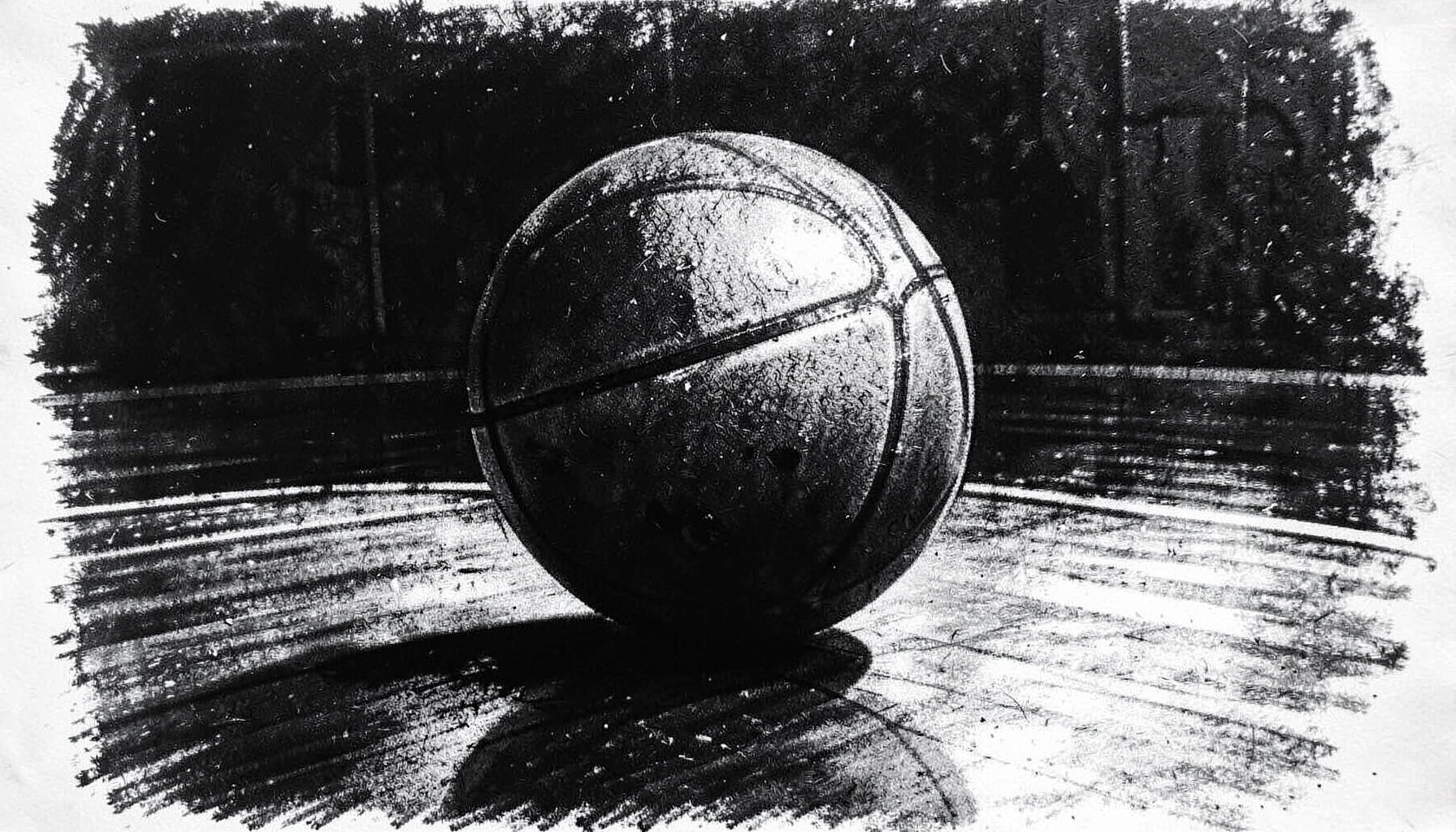
Conditions can alter the geometry. Sydney and Brisbane often bring intense sun, humidity or sudden rain to outdoor basketball, and some suburban courts use synthetic or asphalt surfaces with worn multi-sport markings. Melbourne’s cooler, changeable weather can create glare from windows or a strong contrast between a bright doorway and a dim court. Officials should identify visual distractions before tip-off and choose positions that keep the painted lines distinguishable.
Australian community basketball commonly fills weekday evenings and weekends with school leagues, social competitions and club games. Players may arrive directly from work, change quickly and warm up while the previous game is cleared, then expect the scheduled start. Officials can respect that rhythm by arriving early enough to inspect the floor, checking which markings belong to basketball and locating obstructions before players enter. It also keeps delays for a wet surface or damaged line from affecting the opening tip.
The same attention to shared-space routines appears beyond basketball. A Helsinki skating venue’s venue operations guidance illustrates why clear entrances, waiting areas and supervision matter when several users share a facility. A basketball court with futsal lines, folded chairs or waiting players offers comparable risks: an official who positions without checking the perimeter may lose a useful angle behind a person who steps onto the playing area.
Build a Repeatable Preparation Routine
Preparation should include a deliberate walk-through before each assignment. From the scorer’s table, identify the primary and secondary positions for a press, post entry, fast break and inbound play, and note which markings will be obscured. Prospective officials can pair this walk-through with supervised game experience and a review of their association’s training expectations. After the game, review one difficult sequence and reconstruct the decision that produced the poor view. This method builds judgment faster than simply changing position whenever a whistle feels uncertain.
Equipment also affects comfort and consistency. The Australian sporting-goods market includes specialist basketball retailers, general outdoor stores and online sellers, so officials should compare grip, fit, contrast and durability rather than choosing on appearance alone. Suitable shoes provide stability on both polished timber and outdoor hard courts, while a spare whistle, breathable clothing and a watch can prevent small distractions from becoming tactical errors. Before ordering from the association merchandise page, check sizing, shipping and return terms, especially for an international delivery.
Administrative duties deserve equal attention. Australian clubs that collect contact details, qualifications, emergency information or official photographs should consider the Privacy Act 1988 and the Australian Privacy Principles, using clear consent and restricting access to records. State work health and safety laws also shape duty-of-care arrangements for volunteers, while the Australian Consumer Law affects how consumer goods are sold and returned in Australia. An overseas association shop may operate under different terms, making its written policy especially important. The position to remember is simple: be stable before the ball moves, see the whole possession and move only when the next angle is clearer.