Staying calm when a coach asks for a rulebook ruling
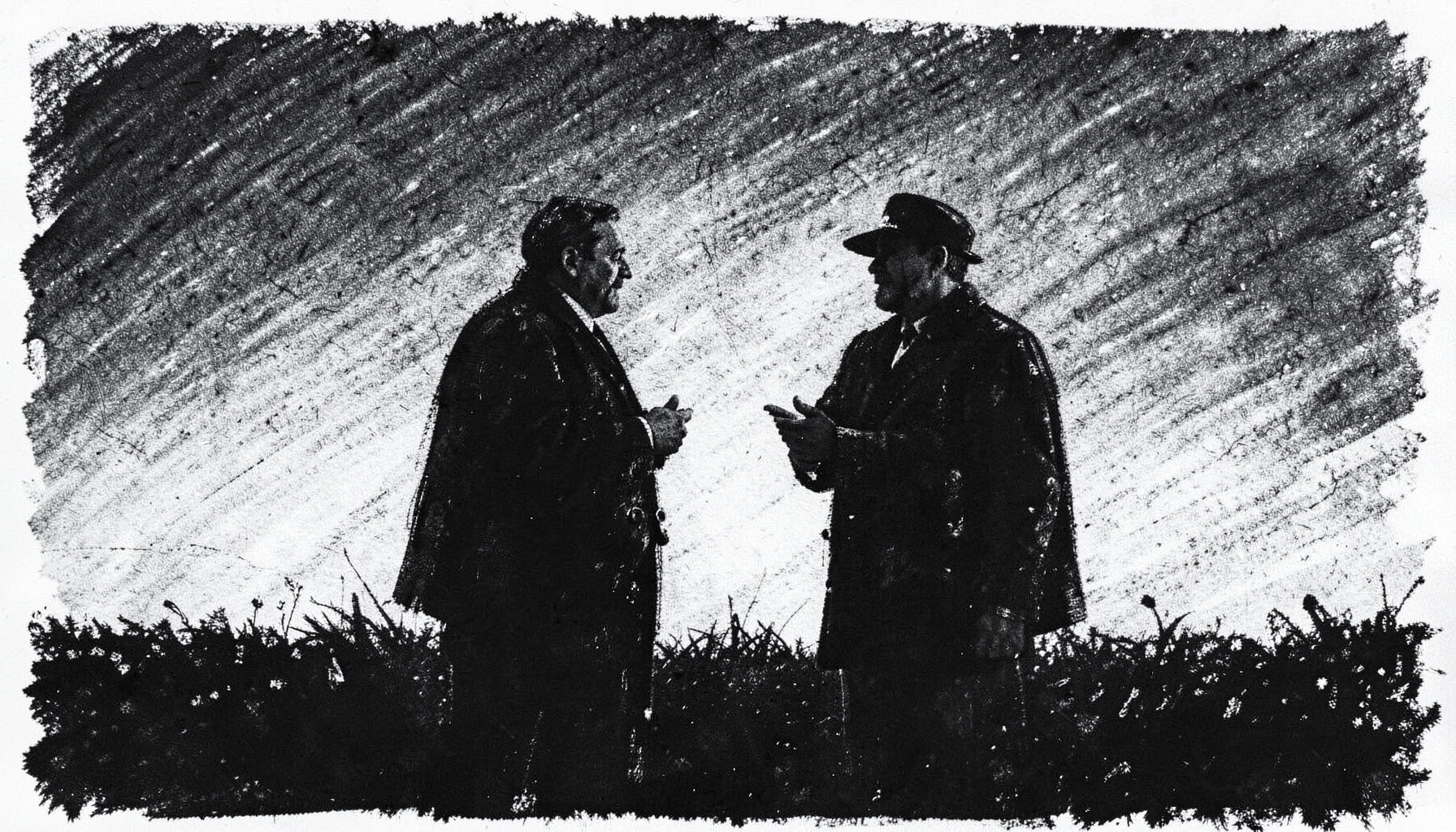
A coach's question usually arrives in the worst possible minute. Ninety minutes of officiating have compressed into a single whistle, the crowd is leaning forward, and the person asking you is the person who wanted a different outcome. How to stay calm when a coach requests a rulebook interpretation is not really about temperament; it is about preparation, positioning, and a rehearsed way of answering that keeps the conversation short and professional.
Officiating associations across southeastern North Carolina handle this scenario every week, from middle-school basketball gyms to Saturday soccer fields around Wilmington and Myrtle Beach. The Southeastern Athletic Officials Association treats it as a trainable skill, offering clinics, rulebook updates, mentoring by veteran officials, and regional supervisors who can settle a genuine question after the match. Those habits travel well. Whether the fixture is under lights at Suncorp Stadium in Brisbane or a high school game in Greenville, the mechanics of a composed answer are identical.
Why a sideline question rattles even experienced officials
Adrenaline narrows attention. When a coach steps forward with a question, officials often report hearing the complaint rather than the question itself. The tone arrives first, the words second. Heart rate climbs, the restart is forgotten, and the instinct to defend the decision competes with the instinct to end the conversation. The official ends up explaining instead of answering, which lengthens the exchange and raises the temperature on the sideline.
A second factor is role confusion. Many coaches are not asserting that you are wrong; they are asking how a rule produced an outcome they did not expect. Others are challenging you directly. Both arrive in the same package, and an official who treats a request for information as an accusation answers the wrong problem entirely.
A third factor is accountability. Local sport is watched closely by parents, administrators and the weekly community paper. An official knows that a wrong call can be discussed for years, so the fear of being wrong adds weight to every hesitation. Knowing a rule and recalling it under pressure are separate skills, and the second one only improves through deliberate practice.
What the coach is actually asking
Most questions are requests for clarity. The coach wants the rule, the moment the rule applied, and the reason the ruling followed from it. A useful answer sounds like this: the specific law, the fact that triggered it, and the resulting decision. That structure is short enough to say in fifteen seconds and precise enough that the coach hears an answer rather than an opinion.
Some questions are genuine challenges, and those require a different response. Acknowledge what was said without conceding the point, avoid arguing about an incident you could not see clearly, and keep the discussion on the incident rather than the person. Associations that publish practical guidance on advice for handling complaints make a consistent point: the official's tone sets the ceiling for the conversation, and a calm answer rarely needs a second hearing.
The other half of the task is diagnosis. Asking one short clarifying question, such as whether the coach is asking about the restart or the handball decision, often converts a confrontation into a rule lookup. It also buys the official a few seconds of thinking time before committing to an explanation.
Preparation that builds quiet confidence
Confidence before the whistle comes from having looked the material up beforehand. Read the rulebook actively rather than cover to cover, mark the changes from last season, and keep a quick-reference note for the rules you are most likely to be asked about. A linesman's card in an official's pocket or a note on a phone does more good than memory under pressure.
Mentoring sharpens that base. The association's clinics pair newer officials with experienced ones, and the most valuable part of a clinic is watching a veteran work a difficult sequence and then discussing what was seen. There is useful material on observing a veteran official that explains what to look for during that kind of session. New officials who shadow matches, take notes and ask questions in the post-match huddle generally reach composure sooner than those who simply officiate alone for a season.
Ongoing access to the books matters as much. Members of the Southeastern Athletic Officials Association can follow the training calendar, download current rules and rule interpretations, and check the association's news and leadership pages when an interpretation changes mid-season. Officials who keep their materials current spend less time searching in the middle of an argument.
A response routine you can rehearse
The routine below works across basketball, soccer and field hockey, and it can be practised in a mirror or on a walk to the car. The goal is not a script spoken word for word, but a sequence that keeps the official in control of pace and tone.
- Step away from the touchline while keeping the restart in your field of view, so the answer does not delay the game.
- Let the coach finish speaking, with hands relaxed and open, avoiding pointing gestures or raised arms.
- Ask one clarifying question to identify the actual issue before explaining anything.
- State the law specifically, naming the rule and the action that triggered it instead of saying only that it was the rule.
- Say plainly when you are unsure, then commit to a specific time and means of finding the answer.
- Keep the decision separate from the person, with no sarcasm and no remarks about the coach's team or reputation.
- Close the exchange with a short summary, then resume play promptly so the rest of the crowd can see the conversation ended.
The value of the routine is pacing. In basketball, the clock is already working while the coach talks, and an answer that takes two minutes to deliver can cost the technical foul it was meant to avoid. In soccer, a long discussion near the restart invites the same confrontation from the opposing bench. A short, flat answer followed by an immediate restart settles almost every sideline exchange.
Australian pitches, Australian expectations
Australian officiating carries its own texture. Football state federations and National Premier League clubs across Queensland, New South Wales and Victoria rely heavily on volunteers, many of them moving up from local leagues, and the same habit of direct questioning that produces sideline questions at club level also shapes how officials are treated. A coach who wants an explanation is not unusual, and officials are accustomed to being asked in front of a crowd.
Measurement details catch officials who compare rulebooks across countries. The penalty area in the Laws of the Game is 16.5 metres wide and 40.32 metres deep, while several North American editions express distances in yards and feet. The numbers are the same, but a quick mental conversion is required, and the distinction is exactly the sort of detail a coach may test during an argument about a goal area.
Venues add their own pressure. A summer fixture at AAMI Park in Melbourne or under lights at Suncorp Stadium can carry eighty thousand voices, and the Sydney derby or the annual Brisbane blockbuster turns every decision into a public event. Australian slang supplies the labels: an official seen as overly demonstrative is called a sweat, and a bark is a decisive, loud call. The cultural expectation is that an official speaks with authority, so hesitation reads more negatively here than it might in a quieter setting.
Local custom also sets the boundaries. Handshakes before and after the match, a nod of thanks to the opposition bench, and the general good-faith view that officials are doing a difficult job for free all shape the room in which a conversation happens. Most Australian coaches will accept a clear answer given once.
When the ruling is genuinely unclear
Sometimes the official genuinely does not know, and guessing in front of a coach is the worst available option. The honest answer, paired with a promise to check, protects both the decision and the official's standing. Better sight removes most uncertainty before it arises, and the association's guidance on proper field positioning covers the habits that keep the relevant angle in view. A coach who was not in a position to see the incident may still deserve an answer, and that answer can be "I did not have that angle", which is a statement about sight rather than about the rule.
Once the match ends, the question can be researched properly. The rulebook and its interpretations are the first reference, the regional supervisor is the second, and a short written note of what was asked and what was decided is the third. When a supervisor or an association's leadership team needs to weigh a recurring query, that note becomes the evidence.
Errors should be corrected openly. A ruling that changes after review is corrected at the next break, with a brief explanation and no apology tour. One reversed decision costs a single moment of game time; a decision defended for pride costs far more than that.
The habit worth carrying into the next match
Development continues through many channels. Officers who want more material on running clinics and building their own programmes can find officials' development resources through another association, while the Southeastern Athletic Officials Association maintains its own library of videos, photo albums, downloads, awards information, merchandise and membership details for the schools and volunteers it serves across southeastern North Carolina.
What should stay with you is simple. A coach's question is an ordinary part of the job, and it deserves an ordinary answer: short, specific, unhurried and free of personal edge. The rule you quoted matters less than the composure in which you quoted it, because the crowd remembers the tone long after it forgets the law. Steady handling of questions, one restart at a time, is what keeps trust intact across an entire season.