How to use eye contact to project authority on the field or court
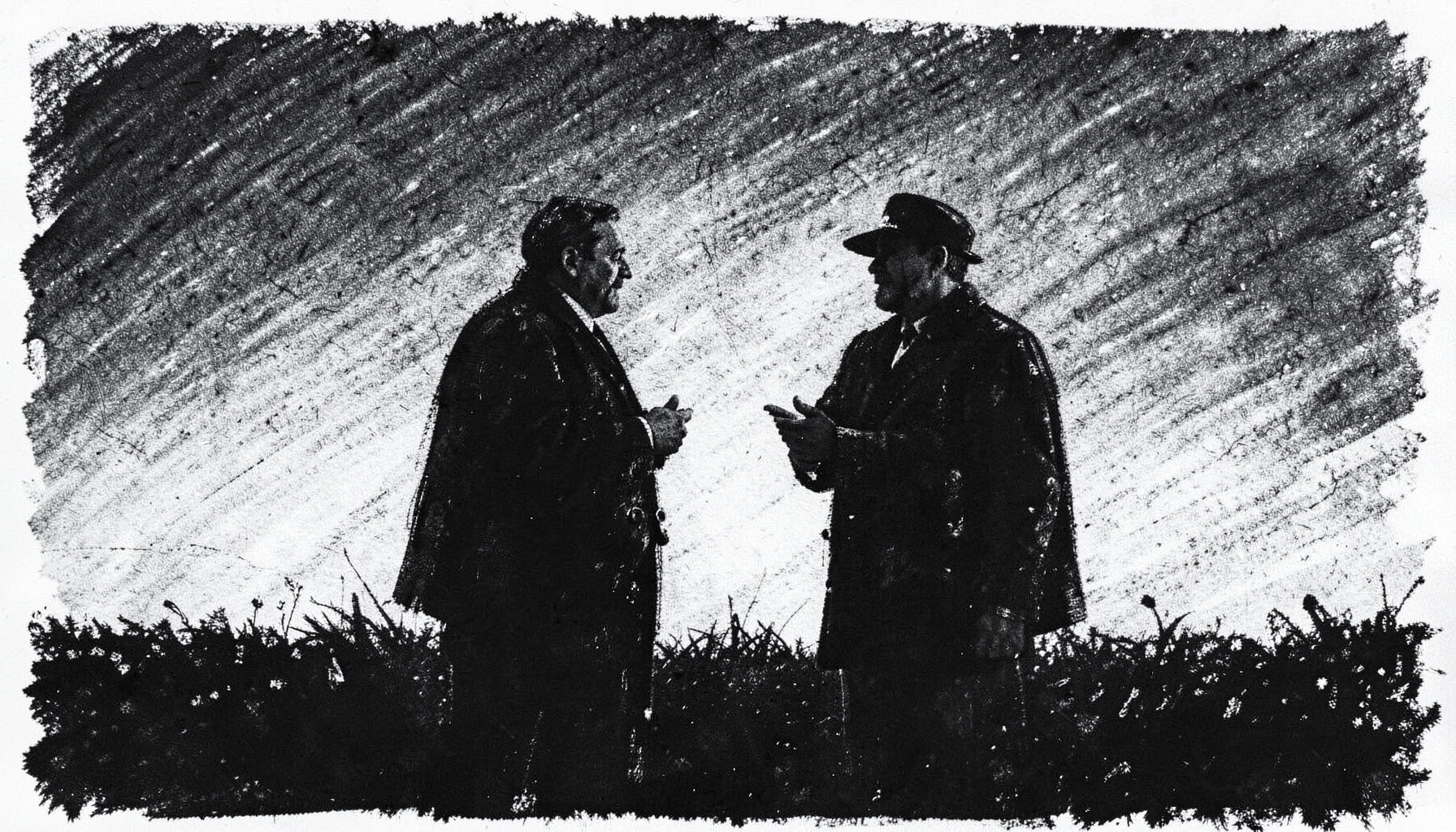
Authority on a field or court is not created by sounding louder or moving faster. It comes from giving people a clear signal that the official is aware, prepared, and ready to manage what happens next. Eye contact is part of that signal because it demonstrates attention without requiring a long explanation. A quick look at the captain after a decision can say, “I have seen the incident, and the ruling is final.”
Used well, eye contact supports trust. It tells players that communication is two-way, confirms that instructions have reached the intended person, and helps an official remain composed when a team is frustrated. It can also reassure spectators that someone is in control. Used badly, the same behaviour becomes a stare-down, an accusation, or a threat. The aim is confident connection, not domination.
Australian sport provides a useful setting for this distinction. Community basketball and netball can be fast and vocal, rugby contests can involve intimidating forwards, and cricket decisions may require a calm exchange with a captain. Across these environments, authority works best when it is calm, consistent, and connected to a legitimate purpose.
Authority starts before the whistle
Start with the whole scene, not one person. A disciplined visual scan of the court, field, players, bench, scorer, and nearby partner shows that you are tracking the game as it develops. This matters in basketball, where a player may be behind the official, and in rugby, where a cluster of bodies can hide an incident. Only after the scan should you choose a specific person to look at.
For basketball officials, the Southeastern Athletic Officials Association’s basketball officiating resources offer a relevant model of the full package: court position, rule application, communication, and partner awareness. The same discipline suits Australia’s NBL1 competitions and local leagues, where players change direction quickly and spectators often sit close to the sideline. A firm visual habit helps the official separate a person making eye contact from a player merely watching for the next advantage.
The look should always have a job: acknowledge a captain, confirm a partner’s read, check that a player is ready, or close a brief exchange. Avoid locking eyes with an angry player as though a contest of wills has begun. In Australian community sport, where coaches may seek a quick explanation after play, a calm look followed by precise wording keeps the exchange professional and prevents a personal issue from becoming the centre of the incident.
Build a repeatable eye-contact routine
Eye contact works best as a repeatable routine rather than a reaction reserved for disputes. Before, during, and after a decision, use the same sequence so that players learn what your gaze means. This consistency is particularly valuable in noisy venues, where hand signals and raised voices may compete with a crowd close to the playing area.
- Scan first, then select. Look across the entire playing area before fixing your attention on a player, coach, or partner.
- Keep the contact brief. A one- or two-second look is generally enough to confirm attention without creating a challenge.
- Target the decision-maker. When a ruling needs explanation, address the captain or other person who must act on it.
- Pair gaze with language. Say the instruction as you make the look so your words and non-verbal signal agree.
- Release the connection deliberately. Looking away once the message is understood shows control rather than uncertainty.
- Use a lower intensity when emotions rise. Reduce the length and force of the look, step back if needed, and involve support.
Rehearse this sequence until it becomes automatic. Film a training scenario or ask a partner to call an unexpected event, then assess whether your gaze drew attention, invited a response, or escalated tension. The best eye contact is not the longest or most intense; it is the look that produces the right action without adding drama.
Adapt to Australian conditions and customs
Local conditions can make this skill harder than it appears in a quiet gym. In Melbourne’s packed basketball stadiums and on suburban courts, spectators may be only a few metres away, while players and benches crowd the narrow visual space around an official. In Sydney, rugby league and rugby union contests often place a large pack between the referee and the people who need a ruling. Clear scanning becomes essential when the view is compressed.
Brisbane’s bright summer cricket and soccer fixtures create a different problem: glare and backlighting can hide a player’s eyes even when the official has a clear view of the body. Position yourself where faces are visible, then use the hands, chest, or uniform number to support identification rather than relying on eye contact alone. In hot conditions, a steady voice and economical gestures reduce fatigue and help the message remain clear.
Customs also matter. Australian community sport often depends on volunteers and commonly allows direct questions while still expecting the official’s decision to be respected. Eye contact should remain respectful across age, gender, and cultural backgrounds. Exposure to other officiating cultures can sharpen that awareness; reading Brazilian football coverage offers a comparative view of communication styles and authority in another football setting, rather than treating one national habit as a universal rule.
Coordinate decisions with crew and players
Crew communication is where a controlled look often delivers the greatest benefit. In rugby league or union, a brief exchange of glances between the referee and assistant can confirm a score, a knock-on, or a forward decision before play restarts. In Aussie Rules, field, goal, and boundary umpires benefit from the same shared visual cue. The signal removes guesswork and gives a decision the weight of a coordinated crew.
North American football provides another useful reference for crew work. The association’s football officiating guidance explains how positioning, rules, and communication operate as one system. Although the contest differs from Australian rules, the principle is shared: a referee who checks the crew before announcing a decision prevents uncertainty and gives the ruling greater weight. Eye contact is therefore part of officiating technique, not a personality trait reserved for forceful leaders.
Extend the same approach to captains, coaches, bench staff, and table officials. Look at the person receiving the ruling, keep the delivery brief, and avoid addressing every spectator who reacts. If technology is available, such as a scoreboard, replay monitor, or timing device, acknowledge the relevant operator with the same clear visual check used on the court. In crowded Melbourne venues, for instance, a scorer’s confirmation may matter more than another emphatic gesture toward the crowd.
Make presence a habit that travels
Confident presence improves through regular rehearsal, especially when an official moves between codes or travels to regional fixtures around Newcastle, Townsville, or other Australian centres. The year-round approach described in year-round officiating clinics suits a varied calendar that may include pre-season training, winter football and rugby, summer cricket, and indoor basketball. Video review, scenario work, and crew drills can make the visual signal as routine as checking equipment.
A simple weekly routine can build the habit. Watch one match and note when your gaze becomes fixed, wandering, or confrontational. In training, ask a colleague to challenge one ruling and practise acknowledging the concern without challenging the player. Review video from the same position and check whether your eyes, hands, and words sent one consistent message. This turns eye contact into a repeatable skill rather than a spontaneous reaction to stress.
Authority is strongest when every visual cue supports the same decision. The practical takeaway is simple: on each stoppage, complete one full scan, make one brief purposeful look, give one clear instruction, and release the gaze. Repeating that sequence will make your presence calmer, more credible, and safer.