Use the off-season to become a fitter, sharper official
The off-season gives sports officials room to build fitness, refresh rules knowledge and examine the decisions that are harder to make when a match is moving quickly. With fewer appointments on the calendar, you can train deliberately rather than simply trying to stay ready from week to week.
For Australian officials, that might mean preparing for a humid evening at a Queensland community ground, a cold winter morning in Victoria, or a busy Saturday involving several junior fixtures. The sports and rule books may differ between Australia and southeastern North Carolina, but the habits behind reliable officiating are widely shared: sound movement, clear communication, consistent judgement and regular review.
Build an off-season fitness base
Fitness for officiating is specific. You need to accelerate, stop, change direction, maintain concentration and recover between repeated efforts. A long, steady run can help general conditioning, but it should sit alongside short sprints, shuttle runs, lateral movement and mobility work. These activities better resemble the demands of following play.
Start with two conditioning sessions each week and increase the workload gradually. One session can focus on aerobic endurance, such as a moderate run, bike ride or swim. The other can use intervals: 20 to 40 seconds of hard work followed by controlled recovery. Australian officials training through summer should schedule intense sessions early in the morning or later in the day, carry water and account for heat stress rather than treating every session as a test of toughness.
Strength training also supports injury prevention. Prioritise single-leg exercises, calf raises, hamstring work, squats, lunges and core stability. Add balance and ankle mobility if you regularly work on uneven community fields. A short routine completed consistently is more useful than an ambitious programme abandoned after two weeks.
Turn rules study into active practice
Rules knowledge improves when it is used to solve realistic situations. Reading a rule book from start to finish has value, but active recall is stronger. Choose one topic each week, write down the key requirements from memory, then check the official wording and interpretations. This exposes gaps that passive reading can hide.
Build a personal bank of match scenarios. Include advantage, illegal contact, offside, substitutions, technical infringements, player safety and timekeeping. For each scenario, record three points: what you saw, what rule applied and what action followed. If you officiate AFL, rugby, football, netball or basketball, use the terminology and mechanics of that sport rather than relying on generic examples.
Video review makes the process sharper. Pause before the decision, state what you would call and explain why. Then compare your judgement with an experienced official, approved training video or association resource. The SAOA resources can help officials connect training, membership information and professional development with the broader work of an officiating association.
Learn from experience and mistakes
The quiet part of the year is a useful time to review your performance without the pressure of the next appointment. Look at match notes, supervisor feedback and situations that stayed in your mind after the final whistle. Separate technical errors from communication issues and from decisions that were correct but felt uncomfortable.
A simple review format works well: describe the incident, identify the relevant rule, explain your decision, and write what you would do next time. Avoid judging yourself with vague labels such as “poor game”. Specific observations lead to specific improvements. Perhaps you were too far behind play, missed a signal from a colleague, or allowed a minor disagreement to become a lengthy discussion.
Mistakes will occur even when preparation is strong. What matters is responding calmly, applying the correct procedure and resetting quickly. This guide on handling field mistakes provides a useful framework for accountability and recovery. A veteran perspective can add another layer: lessons from a veteran often shows how confidence develops through repeated reflection rather than instant perfection.
Train communication and match awareness
An official’s decision is easier to accept when the explanation is brief, confident and respectful. During the off-season, practise signals, voice projection and concise wording. Record yourself explaining common decisions, then listen for hesitation, unnecessary detail or a tone that could sound defensive. The aim is clarity, not a performance.
Work on your awareness of the whole contest. Before a match, identify likely pressure points: a rivalry, a wet surface, a finals atmosphere or a player returning from injury. During play, scan beyond the ball and maintain awareness of colleagues, benches, time and changing conditions. Officials who anticipate situations are less likely to be surprised by them.
Local sporting culture can shape these interactions. A Saturday morning junior match in suburban Brisbane may involve parents, coaches and volunteers all close to the sideline, while a regional New South Wales fixture may rely on a small group handling several roles. In Australia, a calm “that’s my decision” or “we’ll deal with it at the next stoppage” is often more effective than a long argument. Professionalism remains firm without becoming theatrical.
Make the off-season plan practical
A useful programme should fit around work, family, study and other commitments. Officials who work trades, hospitality shifts or weekend jobs may need flexible training blocks rather than a rigid daily schedule. Put rules study, fitness and recovery into the calendar as appointments, while leaving space for weather, travel and local club commitments.
- Complete two fitness sessions and two strength sessions most weeks, adjusting intensity around existing sports commitments.
- Study one rules topic at a time and test recall with written scenarios or video pauses.
- Keep a decision journal containing difficult incidents, feedback and one practical adjustment for the next season.
- Attend association clinics, online meetings or practical sessions whenever they are available.
- Practise signals, positioning and short explanations with another official or a trusted coach.
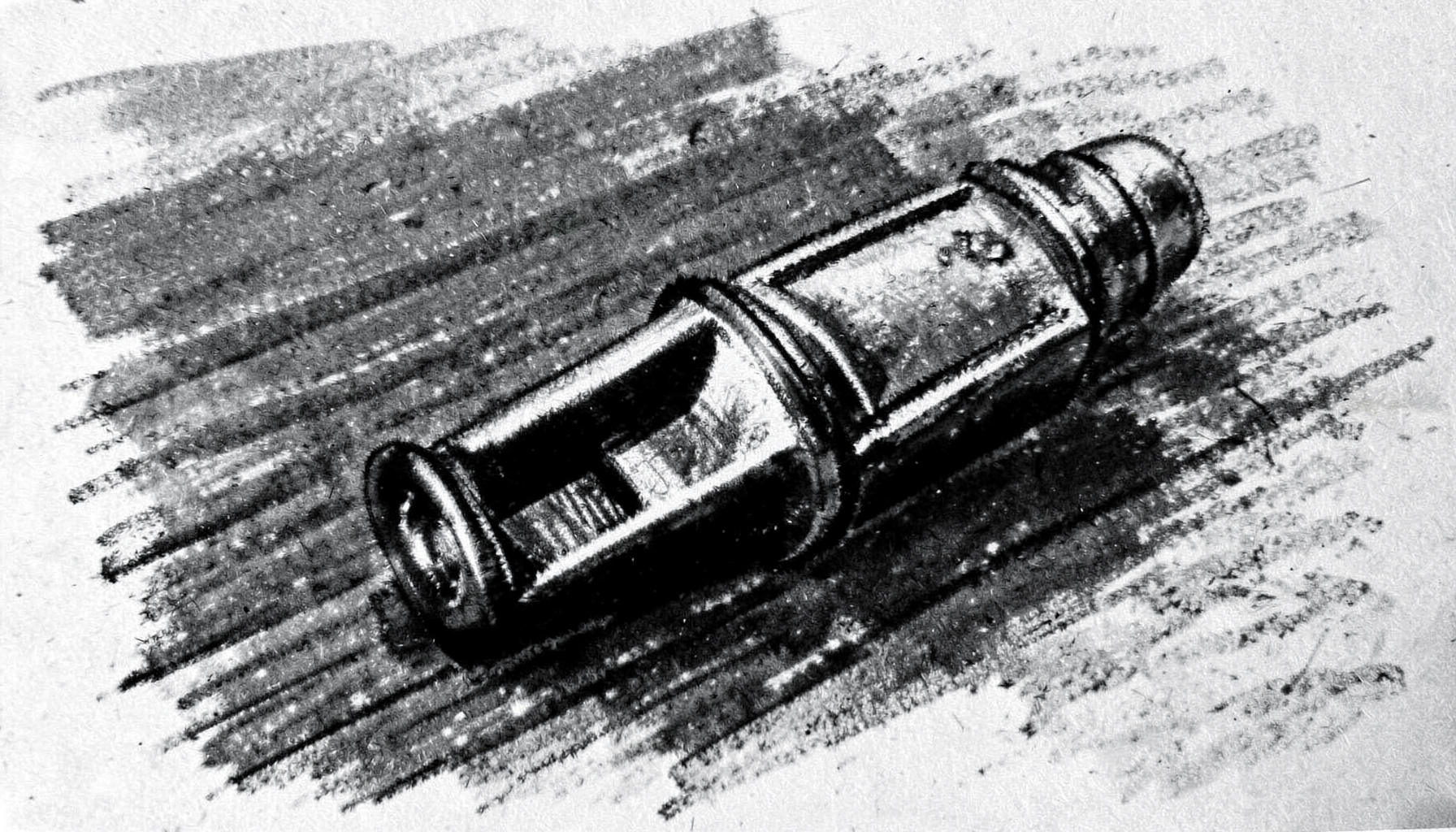
- Review equipment before the season, including footwear, whistle, watch, cards, communication devices and weather protection.
- Schedule recovery days, especially after hard running, and address persistent pain before it becomes an injury.
Community involvement can support the same development. Helping at a club clinic, junior carnival or fundraiser keeps you close to the game and lets you observe how players, coaches and officials interact. If your organisation is raising money for equipment or travel, these fundraising ideas may offer adaptable options, even when the original setting is different from an Australian club.
The best off-season work is steady and measurable. Track running times, recovery, rules quiz results and the number of scenarios reviewed, but also record less obvious progress: better positioning, fewer rushed signals and calmer conversations. A fitter official can move into the right place; a prepared official can recognise what is happening; a reflective official can make the next decision with greater control.
What should be remembered is simple: use the break to train the body, test the mind and study your own decisions. When the season returns, preparation should feel visible in every movement, explanation and judgement.