Preparing for the Football Season: A Checklist for New Officials
Officiating American football in Australia is a niche pursuit, but it is growing steadily through Gridiron Australia and state-level leagues in Queensland, New South Wales, and Victoria. Whether you are based in Brisbane, Melbourne, or a smaller regional centre, joining the officiating community takes preparation that goes well beyond learning the rulebook. The season runs from March through September, so new officials must prepare during the hottest months of the Australian summer while developing the technical skills that keep games safe and fair.
For newcomers, the months before the first fixture can feel overwhelming. There is gear to buy, clinics to attend, fitness tests to pass, and crew assignments to understand. A structured approach turns that uncertainty into confidence. The sections that follow walk through the practical steps experienced officials across Australian gridiron rely on each year, with attention to the climate, regulations, and culture unique to officiating here.
This checklist is built for officials who have completed introductory training and face their first competitive season. It assumes you have registered with your state association and reviewed the national body’s core documentation. What follows is the detail work: conditioning, communication habits, equipment checks, and mental preparation that separate officials who survive their first year from those who thrive in the role.
Understanding the Officiating Landscape in Australia
Australia lacks the deep roster of gridiron officials found in the United States, so the pathway to higher assignments is shorter and the mentoring network tighter. State associations in Victoria, Queensland, and Western Australia run their own clinics and assign crews for local senior and junior competitions, while the national body coordinates representative teams and interstate tournaments.
Because the pool is smaller, many Australian officials work multiple positions in a single weekend, moving from line judge on Saturday to back judge on Sunday. Reviewing how your state association schedules its regional phase fixtures helps you plan availability and shows assigners you are committed. Officiating is also a recognised volunteer pathway under the Australian Sports Commission, which requires a Working with Children check and, in most states, a national police check before stepping on the field for junior games. Apply early in the off-season, as these checks take several weeks.
Building Fitness for Summer Conditions
Gridiron games in Australia are played in temperatures that regularly exceed thirty degrees, and humidity in Queensland pushes the heat index higher. Officials cover six to eight kilometres during a game, with sprints mixed with lateral movement and stationary observation. Pre-season conditioning should focus on interval training that mirrors those demands.
Hydration is not optional in this climate. Carrying a drink bottle on the sideline and sipping between plays is standard, and many crews use cooling towels soaked in ice water during breaks. Officials in Sydney and Adelaide often train early in the morning or late in the evening to escape the worst heat. Cross-training with cycling, swimming, or a round of golf at a local club helps maintain aerobic base while giving the joints a break from running.
Mastering the Rulebook and Mechanics
The American football rulebook is dense, and Australian crews rely on a mix of national body resources, state-level clinic materials, and video study. Reading the rulebook cover to cover is useful once, but deeper learning happens when you watch game footage and pause it to identify mechanics, signals, and penalty enforcement points. Officials who commit to two or three hours of film review per week report feeling far more confident on game day.
Mechanics are the standardised movements and signals that let officials cover the field without colliding. Most state associations run a mechanics clinic during the pre-season, often in February or early March, walking new officials through each crew position. Showing up in a clean uniform, with your flag belt and whistle already broken in, signals that you take the role seriously. Practising signals in front of a mirror builds muscle memory.
Grasping the Ethics and Conduct Standards
Every officiating organisation publishes a code of ethics, and the SAOANC framework is no exception. New officials often treat these documents as administrative paperwork rather than practical guides, yet ethics shape everything from how you respond to a coach who disagrees with a call to how you handle a conversation about a player’s eligibility.
Studying the code of ethics and conduct guidelines before the season begins helps you anticipate the moments when pressure will be highest. Conflicts of interest, social media conduct, and relationships with team staff are all covered in the standard framework. Ethical officiating is also about consistency: treat both coaches with the same professionalism, apply the rules identically across all four quarters, and resist the temptation to even out a bad call with a favourable one later.
Equipment and Pre-Game Essentials
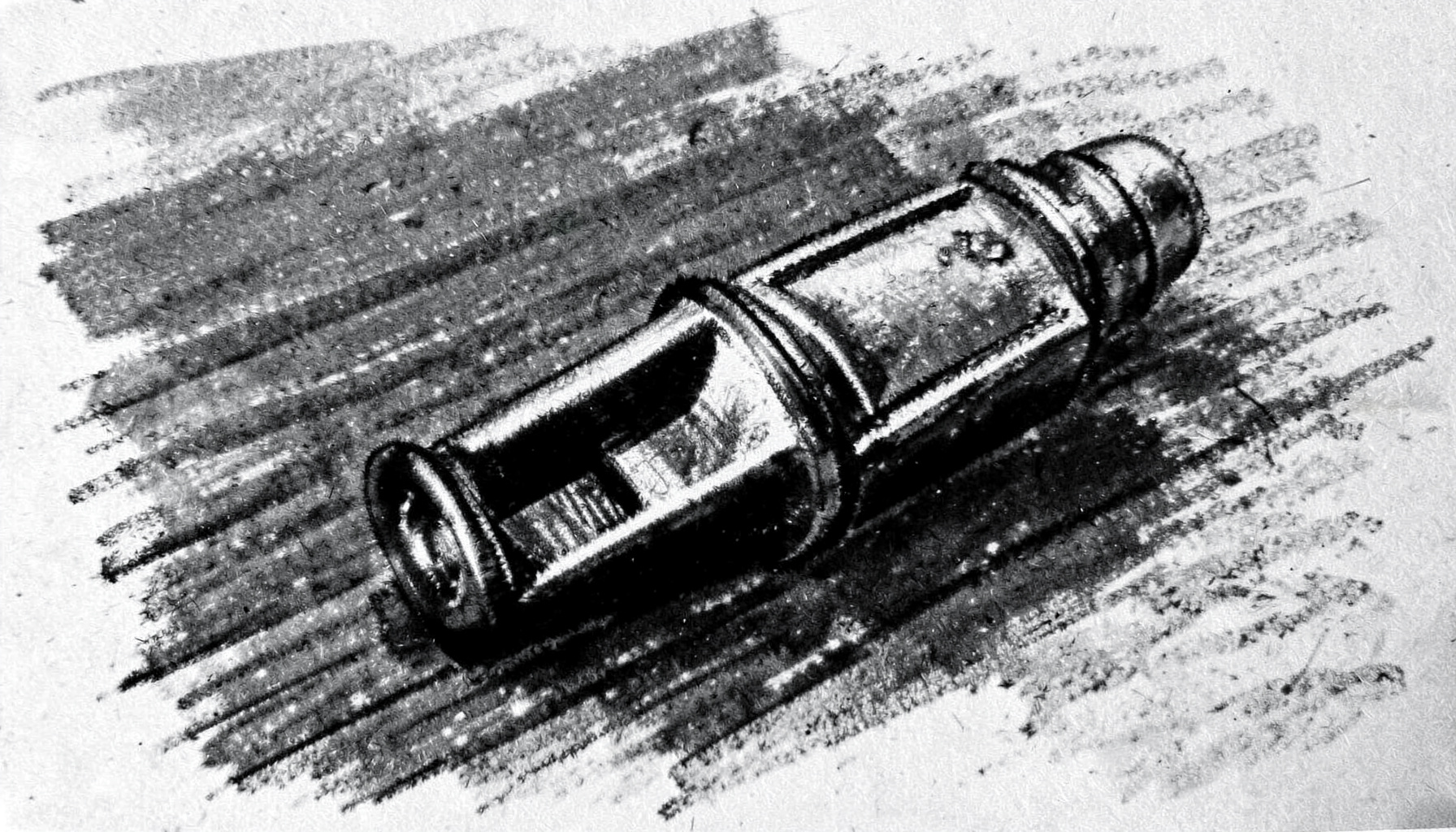
Arriving at the field with the right gear, properly prepared, removes a layer of stress that catches many first-year officials off guard. The standard uniform includes a striped shirt, black trousers, a black cap, a whistle, a flag belt with at least five flags, penalty markers, and black shoes with non-marking soles. A backup set of flags in your bag is wise, since a snapped flag in the second quarter is a common first-year mishap.
Off-field essentials matter just as much. Sunscreen rated at least SPF 50 is non-negotiable for the Australian summer, and a wide-brimmed hat for sideline warm-ups protects against sunburn. Many officials also carry a small notebook for jotting down jersey numbers of players involved in penalties, which speeds up enforcement and reduces error.
Pre-game kit checklist:
- Striped shirt, trousers, and cap in clean condition
- Whistle with a backup in the bag
- Flag belt loaded with at least five flags, plus spares
- Penalty markers and a down indicator
- Sunscreen, hat, and a refillable water bottle
- Laminated card with common signals for early-season reference
Crew Communication and Game Management
A football crew functions as a small team, and the habits you build in the pre-season carry directly into game day. Most Australian crews gather ninety minutes before kickoff for a pre-game conference covering the matchup, the officials assigned to each position, and any unusual rules for the venue. Showing up early and contributing to that conference signals that you are a crew player, not a passenger.
Communication during the game relies on clear, brief signals and verbal calls. New officials sometimes talk too much on the field, which creates confusion with crewmates. The rule of thumb is to communicate only what is essential: ball position, the fouling player’s number, and any clock information that affects the next snap. Between games, a group chat or shared calendar keeps everyone aligned.
Mental Preparation and Game Day Routine
Mental preparation is where many first-year officials either succeed or burn out. The volume of information to process in a single game is significant, and pressure from coaches, players, and spectators adds another layer. A personal routine that starts the night before and carries through to kickoff anchors your focus.
The night before a game, lay out your uniform, check your bag for spares, and set two alarms. Eat a familiar meal that has worked for you in training, and avoid alcohol, which affects reaction time and sleep quality. On game day, arrive with enough time to dress, warm up, and walk the field before the pre-game conference.
Pre-game mental steps:
- Visualise three likely scenarios, such as a deep pass, a goal-line stand, and an onside kick
- Practise five deep breaths to settle nerves before walking onto the field
- Review the crew’s signals and your position responsibilities one final time
- Remind yourself that mistakes will happen and recovery is part of the craft
- Set one personal focus for the game, such as cleaner whistle tone or better sideline awareness
Officiating will also test your life outside football. Managing downtime during a long season matters, and small rewards after a tough fixture keep motivation high. Some officials plan a quiet evening with a familiar meal, while others set aside time for a favourite online pastime once the gear is packed away. Give yourself permission to recharge so the next pre-season meeting starts with energy rather than fatigue.
Walking off the field after your first competitive game with no major errors and a clean uniform is a milestone worth recognising. The checklist above is not a one-time exercise but an annual ritual that grows with you, and the officials who treat it that way tend to be the ones still on the field a decade later.