
Selling the Call With Confidence and Clarity
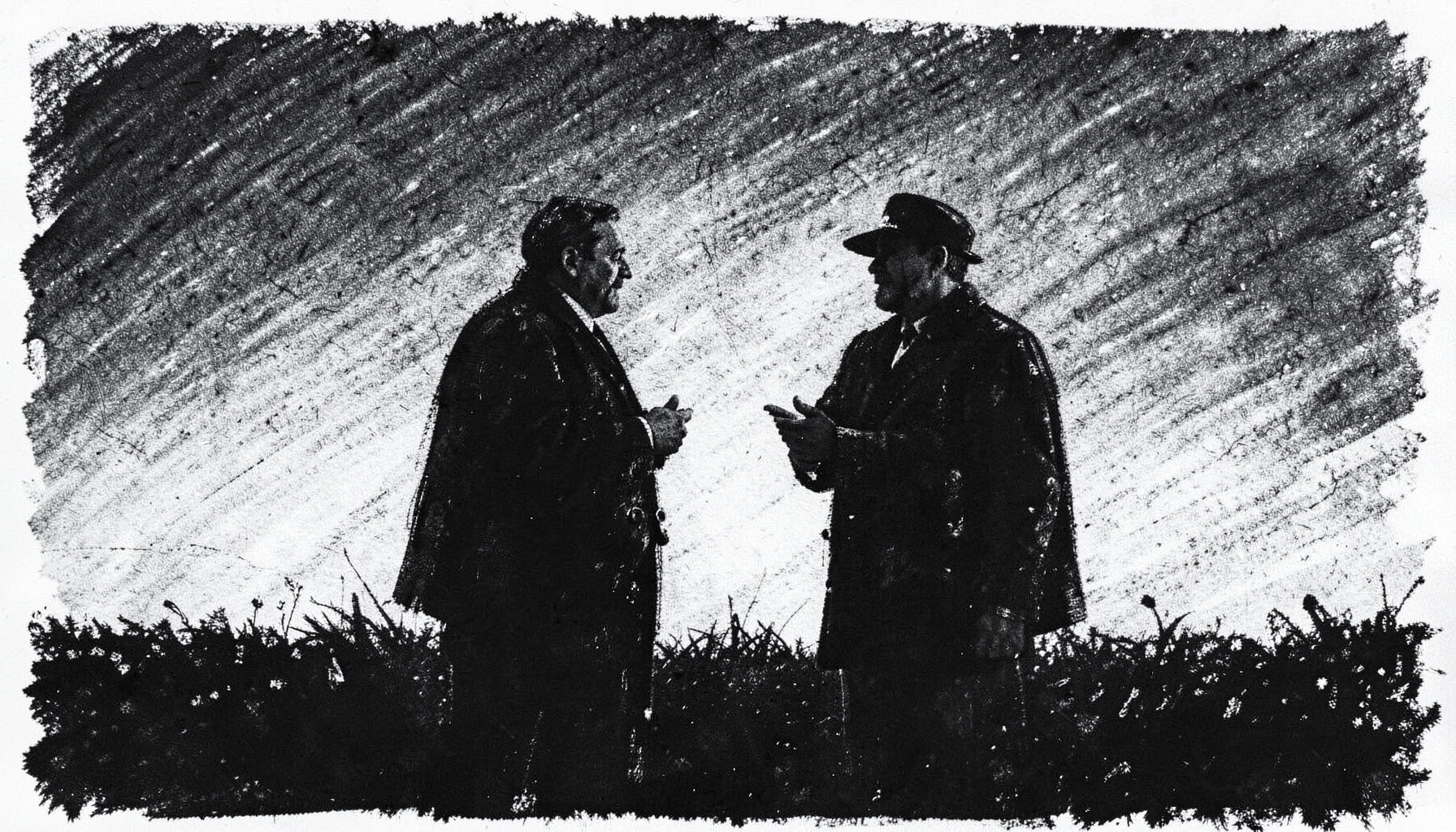
A correct decision is only half the job for a sports official. The other half is communicating that decision so players, coaches and spectators can accept it, reset quickly and keep competing. This is the art of selling a call: using body language, voice, timing and consistency to make a ruling clear without turning the moment into a personal contest.
Acceptance does not mean making everyone happy. In a Sydney basketball stadium, a Brisbane netball centre or a regional North Carolina gym, one team will sometimes disagree with the decision. Strong officials earn credibility by showing that the call came from a clear process rather than emotion, guesswork or pressure from the bench. That credibility grows through preparation, calm presence and repeatable mechanics.
Build The Decision Before You Signal
Selling a call begins before the whistle. Officials need a reliable position, a clear view of the relevant players and an understanding of the rule situation developing in front of them. Good anticipation creates better angles, while rushed movement often produces late decisions that are harder to explain.
The decision should be made from evidence rather than expectation. An official who assumes a defender will foul, a ball will travel or a player will step out can become attached to a prediction. Watch the action, identify the infringement and then respond. A short pause after the incident can help separate what actually happened from the noise surrounding it.
Physical preparation supports mental sharpness. Regular movement work, mobility and strength training can help an official stay close to play late in a match, and this off-season conditioning guide offers ideas that can be adapted to an officiating routine. This matters in Australia, where officials may move between indoor courts, outdoor venues and long weekend tournaments in warm conditions.
Use Mechanics That Tell The Story
A signal should be decisive, visible and connected to the call. Whistle, stop, signal, direction and restart should form one coherent sequence. If the official points vaguely, changes direction or delays the signal, players may read uncertainty into an otherwise correct decision.
The best mechanics are economical. A clear hand signal, a steady stance and a brief verbal explanation usually carry more authority than a dramatic performance. Officials should avoid exaggerated gestures, sarcastic smiles or repeated pointing at the player involved. Those actions can make a routine ruling appear personal and invite further debate.
Voice matters as much as movement. Use a volume that reaches the players and nearby coach without shouting across the whole venue. A phrase such as “illegal contact, number six” or “ball out, red possession” identifies the decision and gives everyone a usable next step. In crowded Melbourne stadiums or echoing school halls, controlled projection is more effective than aggression.
Manage Disagreement Without Losing Control
Disagreement is part of competitive sport. A player may raise a hand, a coach may ask for clarification and teammates may react from the bench. The official’s job is to acknowledge the concern without allowing it to dictate the next moment. Eye contact, a calm nod and a concise explanation can show that the question has been heard.
Explanations should focus on observable facts and the rule application. “The defender moved into the path and created contact” is stronger than “I saw it clearly, so that is the call.” The first statement describes the action; the second challenges the person who is questioning it. When a lengthy argument begins, repeat the core information once and return attention to the restart.
Officials also need boundaries. A respectful request for information is different from abuse, intimidation or prolonged dissent. Apply the competition’s communication standards consistently, whether the speaker is a junior player, a senior captain or a high-profile coach. The young officials advice provides useful perspective for developing confidence while keeping interactions professional.
Earn Trust Through Consistency
Players accept difficult decisions more readily when they can predict the official’s standard. Consistency does not mean calling every incident identically; context, advantage, contact and game control all matter. It means applying the same principles to both teams and maintaining the same threshold throughout the contest.
A foul that is ignored in the opening minutes but penalised later may be justified if the nature of the contact has changed. The official should recognise that players experience the game as a sequence, so a quick explanation can prevent confusion: “That contact was minor earlier, but the hold prevented the movement this time.” Such language explains the difference without apologising for a sound decision.
Trust also develops away from match day. Arrive early, check equipment, know local competition procedures and be familiar with the appointments process. In the Australian market, officials often work across school sport, community associations and state pathways, each with slightly different expectations. Clear administration and professional communication reinforce the same reliability that players see on court. Questions about appointments, resources or association matters can be directed through official contact details.
Review The Moment And Improve
A strong official reviews difficult calls without replaying them emotionally. After the match, identify the situation, the information available, the decision made and the way it was communicated. Was the angle good? Did the whistle come at the right time? Did the signal match the ruling? Could one sentence have settled the issue faster?
Video review can be valuable when used for learning rather than self-criticism. Watch the lead-up, not just the instant of the whistle. Look for positioning habits, delayed reactions and moments where body language may have appeared uncertain. Feedback from a referee coach or a trusted senior official can reveal details that are easy to miss while concentrating on the whole game.
New officials should also learn how their association structures support. The new official information can help prospective referees understand entry points, training and the practical expectations of the role. Resources such as association learning materials may add another perspective, especially for officials comparing methods across sports and jurisdictions.
Selling a call is ultimately a form of leadership. It combines accurate observation with confident communication, controlled emotion and respect for everyone involved. The aim is not to win an argument or appear infallible; it is to make the ruling understandable enough that the game can move forward.
Before the next appointment, prepare one simple standard: see the action, stop it clearly, signal with purpose, explain briefly when needed and apply the same approach to both sides. That repeatable process is the practical foundation for gaining acceptance under pressure.