The Benefits of a Personal Officiating Journal Each Season
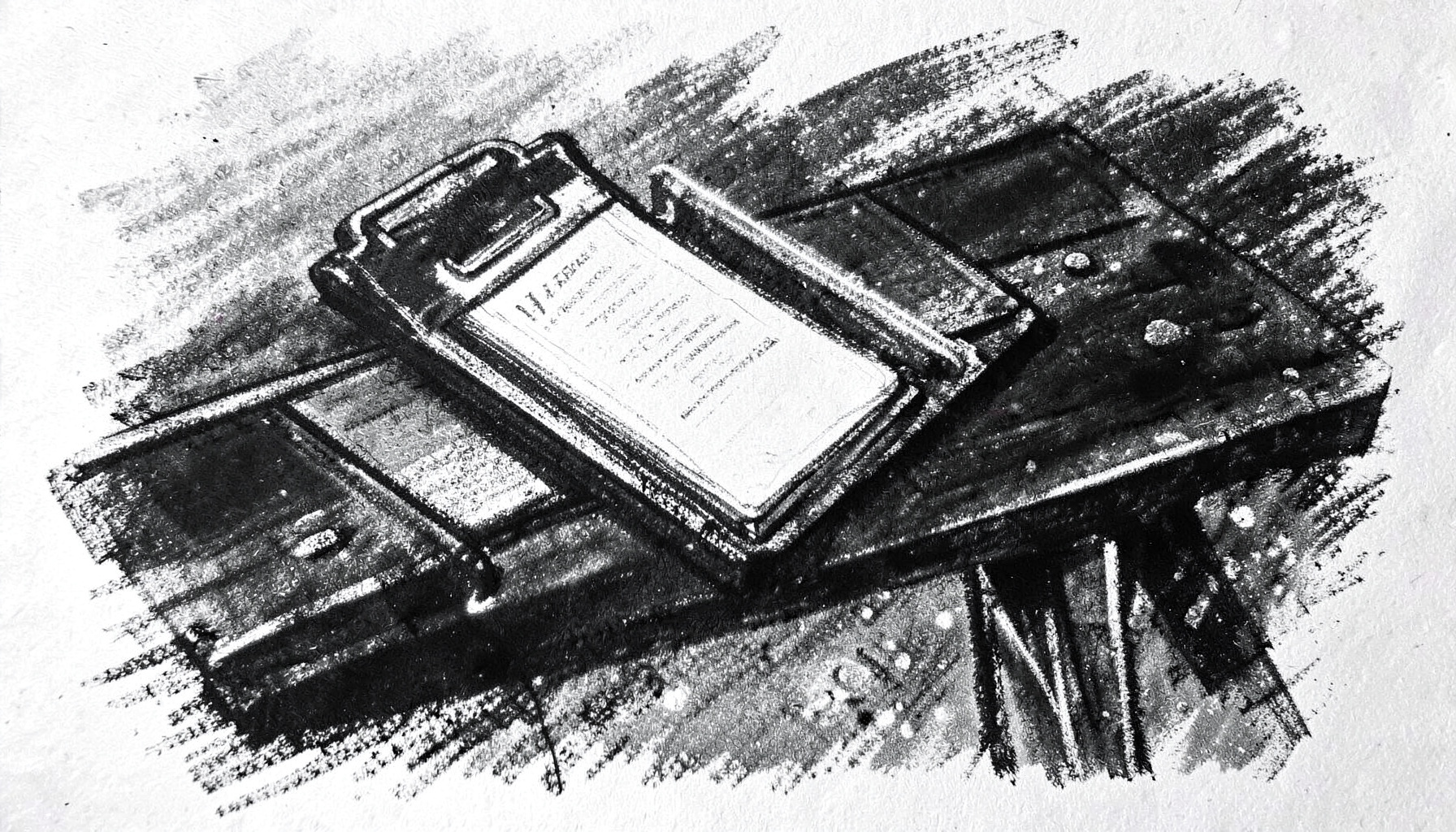
Officiating improves through attention, repetition and honest review. A personal journal gives each official a practical record of decisions, positioning, communication and fitness across a full season. Instead of relying on memory after a demanding match, an official can return to specific observations and see which habits are becoming reliable.
For Australian readers, the same approach applies whether you are working junior football in Brisbane, community sport in regional New South Wales, or travelling between fixtures around Melbourne. The codes and laws may differ from those used by the Southeastern Athletic Officials Association in North Carolina, yet the fundamentals remain familiar: preparation, concentration, teamwork and a willingness to learn from every contest.
Turning Matchday Experience Into Useful Evidence
A journal transforms a vague feeling about performance into information that can be reviewed. An official might record where they were positioned for a critical call, how quickly they recognised a developing incident, or whether their pre-match routine left enough time for a proper ground inspection.
Short entries are often more valuable than elaborate reports. A date, venue, competition level, weather note and three observations can reveal patterns over several weeks. For someone officiating in Australia, noting heat at a Gold Coast ground, wet conditions in Hobart or long travel from a rural town can explain changes in concentration and movement.
The record should include positive moments as well as errors. A well-managed conversation with a coach, a clear signal under pressure or effective cooperation with fellow officials deserves documentation. These examples become evidence of progress when confidence dips later in the season.
Improving Positioning, Timing And Decision-Making
Good positioning is easier to improve when it is described precisely. Rather than writing “I was too far away”, an official can note the phase of play, the angle that was missed and the adjustment that might have helped. Over time, these details sharpen anticipation and make movement more economical.
Timing also benefits from written review. An official can record whether a whistle came early, late or at the right moment, then consider what information was available before the decision. This is especially useful in fast sports, where a fraction of a second can affect credibility and the fairness of the call.
Rules knowledge becomes more practical when linked to real incidents. Reviewing clock management guidance after a match can help an official connect written procedures with pressure-filled situations. The journal then becomes a bridge between study, field experience and future application.
Strengthening Communication And Crewwork
Officials rarely perform in isolation. A journal can track pre-match briefings, signal consistency, radio or verbal communication, and the way responsibilities were shared with partners. Recording what worked helps a crew repeat effective habits instead of rebuilding its approach every week.
Communication with players and coaches deserves careful attention. Notes can distinguish between a firm explanation that settled an issue and a rushed exchange that escalated it. This self-awareness is valuable in Australian community sport, where officials may know many participants personally and need to maintain both approachability and authority.
The Southeastern Athletic Officials Association supports a wider officiating community through membership information, training resources and leadership connections. Reviewing its official association resources can give an official ideas for professional development, while a journal preserves the personal lessons gained at local fixtures.
Making Fitness And Preparation More Deliberate
Physical readiness is part of accurate officiating. A journal can record sleep, hydration, warm-up quality, soreness and recovery after each assignment. It may show that decision-making becomes less sharp after a sequence of evening matches or that a certain warm-up improves mobility before a long game.
Local conditions matter. Australian officials may deal with strong ultraviolet exposure, hard summer grounds, sudden storms or long drives between regional venues. Recording these factors encourages practical preparation: carrying sufficient water, applying sunscreen, allowing time for traffic around Sydney or Melbourne, and checking whether a venue has suitable shade and facilities.
Mental preparation can be tracked in the same way. A brief note about confidence, distraction or pre-match nerves can identify useful routines. Some officials may benefit from breathing exercises, while others prefer reviewing key laws, visualising difficult scenarios or arriving early enough to settle before participants enter the field.
Creating A Reliable Learning System
A journal works best when it connects observation with action. Each entry can finish with one adjustment for the next appointment, such as scanning earlier during transitions, using a clearer signal or reviewing a particular law. Limiting the focus prevents improvement work from becoming overwhelming.
Training methods from other disciplines can also offer perspective. Resources focused on structured practice methods illustrate the value of repetition, technical detail and disciplined review. An official does not need to copy another sport’s routine; the useful idea is to treat each session as part of a deliberate learning process.
Supervisors and mentors can make the journal even more effective. Sharing selected entries before an assessment creates a focused conversation about development rather than a general discussion of strengths and weaknesses. Personal notes should remain private unless the official chooses to share them, particularly when they include sensitive incidents or comments about other people.
Journal Prompts For Weekly Review
A repeatable set of prompts makes entries easier during a busy season. The aim is to capture enough detail for later reflection without turning every match into paperwork.
- What was the most demanding decision, and what information supported it?
- Where was my positioning strongest and weakest?
- How did I communicate with players, coaches and fellow officials?
- Which rule, signal or procedure needs further revision?
- What physical or environmental factor affected my performance?
- What single adjustment will I test at the next appointment?
Writing within a day of the match usually produces clearer observations than waiting until the weekend is over. A phone note can capture immediate impressions, while a dedicated notebook or secure digital file can hold longer reviews. Officials should follow their association’s privacy expectations and any workplace or competition requirements when storing information.
Using End-Of-Season Review To Plan Ahead
A season-ending review should look for repeated themes rather than isolated mistakes. Count the issues that appeared several times, identify the conditions that produced them and separate technical development from matters outside an official’s control. This turns a collection of notes into a realistic training plan.
The review can also support decisions about appointments, courses and equipment. An official considering more senior competitions may discover a need for deeper rules study, stronger fitness or improved conflict management. In Australia, registration schedules, Working with Children Check obligations and the availability of local courses can affect when that development is practical.
- Review three decisions that improved through the season
- Identify two recurring areas requiring focused practice
- Check fitness, equipment and travel routines before the next season
- List useful feedback from supervisors or fellow officials
- Set one technical goal and one communication goal
- Record courses, assessments or registration dates to investigate
A journal can also preserve the human side of officiating. It may contain the first successful appointment at a higher level, a difficult match handled calmly, or the moment a newer official gained confidence. These memories help sustain motivation in a volunteer-driven environment where time, travel and family commitments compete with appointments.
The lasting value of a personal officiating journal is its continuity. It shows how preparation affects performance, how feedback becomes action and how small adjustments accumulate across months of competition. Whether the setting is southeastern North Carolina or an Australian community ground, the official who records, reviews and applies each lesson builds a clearer path towards consistency. The key thing to remember is that every match can become useful training when its lessons are written down and carried forward.