The umpire's place on the diamond in Australian baseball
The hum of a summer evening at a ballpark is unmistakable — the crack of the bat, the chatter from the dugout, and the steady rhythm of a well-run game. Behind every pitch, every contested call, and every safe or out signal stands an arbiter whose positioning and judgment shape the contest. Across Australia, from community diamonds in Brisbane to winter league fixtures in Perth, baseball umpires carry a unique blend of authority and responsibility that extends well beyond calling balls and strikes. Many of the same officials also work football fixtures through the cooler months, sharpening their craft across codes.
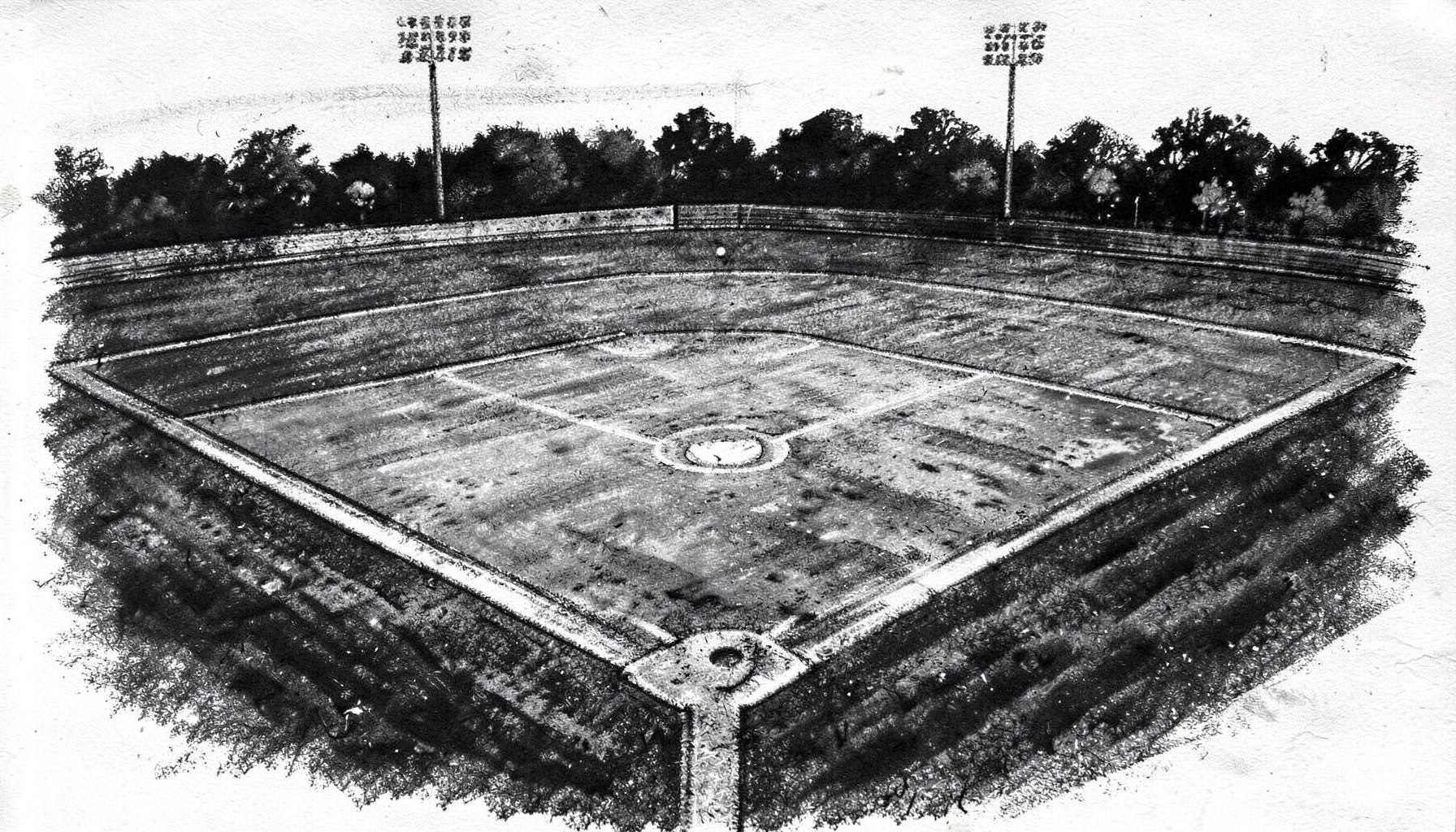
Whether stepping behind the plate for a Claxton Shield clash between the Brisbane Bandits and Perth Heat or working the baselines of a junior representative match in Melbourne, officials must blend technical knowledge with situational awareness. The role of the umpire in baseball rests on positioning and responsibilities that sit at the heart of every well-officiated contest. Understanding where to stand, how to move, and when to speak is just as vital as knowing the rule book itself.
Behind the mask — the plate umpire's setup
The plate umpire anchors every game, setting the tone before the first pitch is thrown. The standard stance places the official just behind the catcher, slightly inside the inside corner of the plate, with a clear sightline to the pitcher's release point. From this vantage, the umpire can read the spin on the ball, track its flight, and frame the strike zone with consistency. In the heat of an Australian summer, where temperatures in places like Adelaide and Sydney regularly push past 35 degrees, staying hydrated and protecting against sun glare becomes part of the role as well.
The slot position — where the umpire peers over the catcher's shoulder rather than crouching directly behind — has become increasingly common in the Australian Baseball League. It offers a wider view of the plate and reduces the risk of foul tips, but it requires strong communication with the catcher to avoid disrupting the framing of pitches. Between innings, the plate umpire retreats to a designated position near the foul line, watches the pitcher warm up, and stays alert to any signs of game management concerns.
Working the bases — field umpire mechanics
Base umpires hold a different but equally critical responsibility. In a two-umpire system, the field umpire rotates between A position on the first-base side and B position on the second-base side, while in three- or four-umpire crews the rotations become more intricate. The fundamentals remain constant: take a set position before each pitch, come set as the pitcher begins the windup, and read the play as it develops.
Distance and angle matter enormously. Standing too close to the bag can limit reaction time, while standing too far leaves the umpire flat-footed on steals and bunts. Many Australian officials learn their craft at fields such as Melbourne's RNA Showgrounds or Sydney's Blacktown Baseball Stadium, where the dimensions and lighting vary from park to park. Adjusting to each venue's standard angles is a skill that comes only with reps in training and live games. Officials who sharpen their instincts in one sport often find their reflexes transfer well across other disciplines, much like the focus described in guides to stepping into a regional archery competition.
Reading the strike zone with consistency
The strike zone is the most scrutinised part of any umpire's day, and consistency is the currency of credibility. A pitch that grazes the letters is a strike; one that dips beneath the knees is a ball, no matter how close it appears. The challenge is that pitch trajectories change with the pitcher — a sidewinding lefty presents a vastly different target than an over-the-top right-hander — and the zone must be applied uniformly regardless of the arm slot.
Umpires working Australian youth leagues often face pitchers whose mechanics are still developing, meaning the break on a curveball can be unpredictable. Patience is essential: track the ball from the hand all the way through the glove, and resist the temptation to anticipate location. Building a consistent internal zone takes hundreds of pitches and honest self-review. Many officials film their plate work or debrief with a partner after each game to refine their judgment and track patterns in their own decision-making.
Managing players, coaches, and game flow
Umpires enforce rules, but they also steer the emotional temperature of a game. A calm word to a frustrated catcher, a brief explanation to a coach disputing a call, or a quiet reset after a disputed play can defuse situations before they escalate. The art of game management lies in choosing when to engage and when to step back. Over-officiating — intervening in every minor irritation — quickly erodes trust, while ignoring genuine breaches of decorum lets tensions boil over.
Australian baseball culture tends to favour a measured, conversational style, but tempers still flare in high-stakes matches. An umpire who knows the personalities in a dugout and recognises the warning signs of an escalating argument is better placed to maintain control. Reading body language, listening to tone, and responding with firm but respectful language are tools that sharpen with experience. Officials who work across multiple codes often find patterns of conflict resolution repeat themselves, whether on the diamond or within team melee battles, where rules of engagement define every encounter.
Pre-game routine and physical preparation
Arriving early is non-negotiable. A pre-game routine typically begins 45 to 60 minutes before first pitch: inspecting the field, checking the bases and pitcher's plate, meeting with the plate umpire to confirm signals, and reviewing the lineup cards. The physical side of umpiring — staying low in the stance, holding angles on the bases, and reacting to line drives — demands a baseline of conditioning that many officials underestimate.
Hydration matters enormously on the Australian summer circuit, where January fixtures in Brisbane or regional Queensland can feel like playing inside an oven. Umpires are advised to drink steadily through the day, wear breathable uniforms, and use sunscreen. Off the diamond, balancing training, games, and the rest of life is a juggling act that requires honest scheduling. Practical advice on managing officiating and family life can help new officials avoid burnout and protect the energy they bring to the field.
Essential gear for the working umpire
- A properly fitted mask with throat guard and chest protector
- Steel-toed shoes with ankle support for the rigours of base work
- A ball bag with at least four to six match-quality baseballs
- A reliable indicator for tracking balls and strikes
- A pen and small notepad for substitutions, ejections, and timing checks
- A well-maintained brush for clearing the plate between innings
Working with partners and crew dynamics
No umpire works in isolation. A crew of two, three, or four relies on shared signals, agreed rotations, and mutual trust to cover the game cleanly. Pre-game conferences between umpires confirm who takes which base on a rotation, what the held-ball mechanics look like, and how signals for time, fair ball, or no pitch will be communicated. The crew chief sets the tone for the group, and many of the leadership lessons translate directly from other officiating codes.
Officials who work multiple sports often develop a wider appreciation for crew dynamics. Understanding how a crew chief in football coordinates their crew offers transferable lessons in communication, accountability, and shared responsibility — qualities every baseball umpire carries onto the diamond. A strong crew supports each other through tight calls, shares feedback after the game, and shows up ready to learn from the next.
Mental toughness and decision-making under pressure
Every close call invites scrutiny, and every umpire will miss one eventually. The mark of a strong official is not perfection but recovery — how quickly the next pitch is judged with the same care and authority as the one before. Mental preparation begins before the game, with a clear routine and a willingness to leave outside worries in the car park. During the game, focus is the umpire's most valuable tool, and small habits — a deep breath between innings, a reset after a controversial call — keep the mind sharp.
Veteran Australian umpires often speak about the value of routine as an anchor. Eat the same pre-game meal, drive the same route, walk the same lap of the field. These rituals quiet the noise and create a sense of calm that carries through to the first pitch and beyond.
Daily habits of consistent umpires
- Review the rule book for ten minutes each evening
- Stretch and condition the legs and lower body to support long stances
- Arrive at the field at least 45 minutes before first pitch
- Debrief with a partner after every game, focusing on one or two learning points
- Keep a personal log of difficult plays and how they were handled
- Sleep well the night before and hydrate steadily on game day
The craft of umpiring is built one game at a time, and every Australian diamond offers a fresh chance to refine positioning, sharpen judgment, and serve the sport. Step onto the field prepared, trust your training, and remember that consistency and calm matter far more than any single call.