Clear communication for a two-person basketball crew
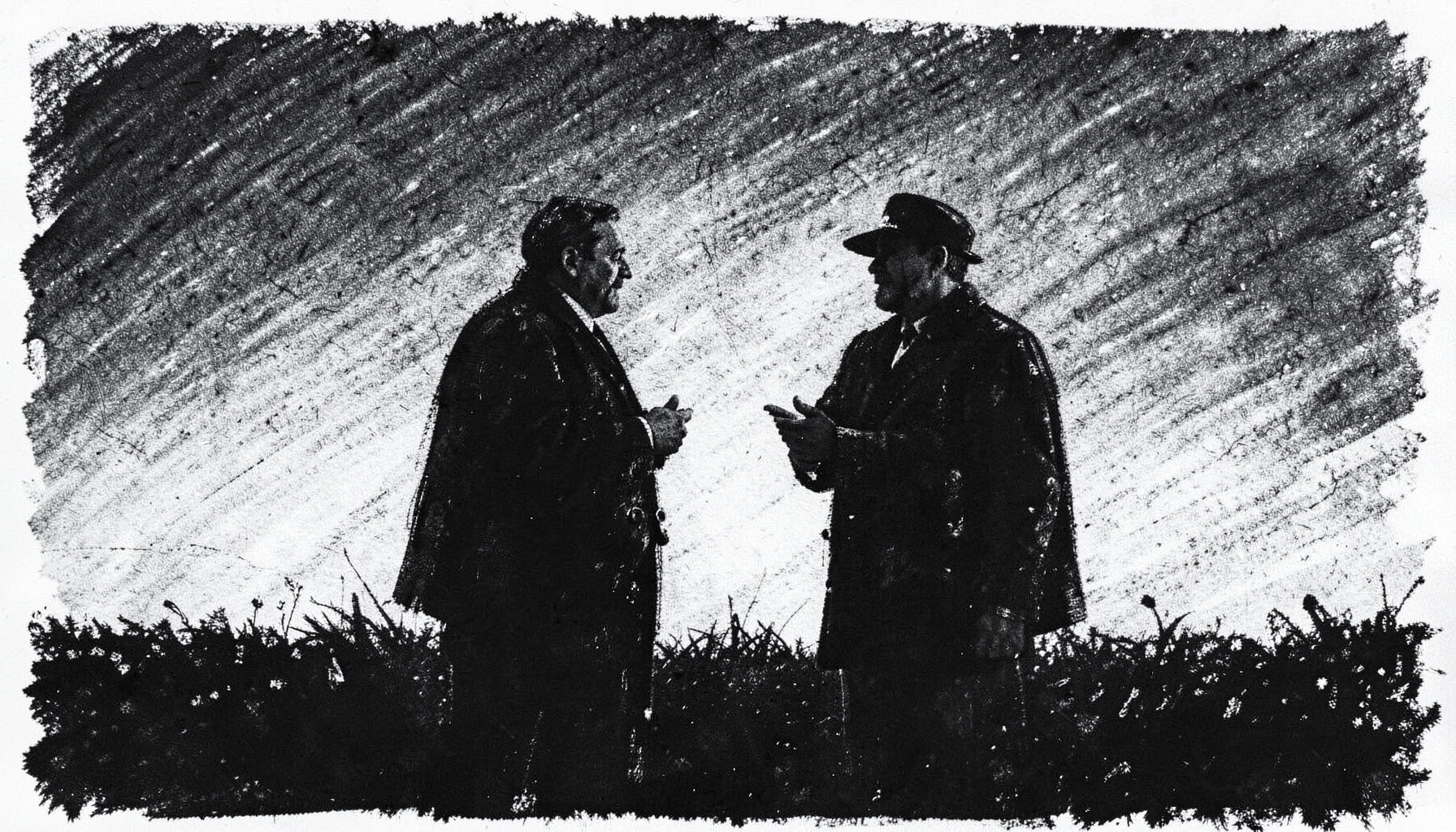
Two-person basketball officiating works best when both officials can anticipate the other’s next move. These tips for communicating with your partner in a two-person basketball crew cover pre-game alignment, live-game signals and a short debrief that builds trust. The aim is a reliable way to make and support decisions.
The crew is a partnership, even when one person holds the primary position. Clear responsibilities free the other official to watch space, react to action and cover the next decision. Good communication also lets a crew correct itself without turning every disagreement into a contest.
Australian basketball adds pressure points. Games may draw large crowds at community venues in Melbourne or Brisbane, where officials share courts with volunteers, scorekeepers and spectators with varied experience. Concise communication is practical, not merely stylistic.
The Southeastern Athletic Officials Association serves southeastern North Carolina, but its emphasis on training, recruitment and regional supervision reflects a familiar Australian principle: officiating is a team performance. Preparation, shared terminology and respectful correction protect the game and the people in it.
Set roles before the first whistle
A short pre-game conversation should establish who leads, who trails and which official takes the clock, sideline or baseline position. Assignments can change, so treat them as starting roles rather than fixed ownership. Both partners should know the current coverage before the ball moves.
Discuss the calls most likely to produce uncertainty: fast breaks, held balls, out-of-bounds decisions, shots near the rim and transitions after a whistle. Also settle who watches the clock after a foul, when a dead ball ends and how a timeout changes positions. A shared rule reference beats two separate recollections.
An organised example comes from southeastern North Carolina, where SAOANC describes how it recruits officials from local colleges and universities through its college recruitment pathway. The transferable idea is developmental: identify potential officials, train them together and provide a clear route into the crew.
Build a shared language for signals
Agree on a small set of words and signals before the game. Useful phrases might include “my line”, “help line”, “leave it”, “clock” and a clear indication of possession. Wording matters less than consistency: if one official says “mine” while the other expects “my ball”, a good decision can still be lost in noise.
Pair important verbal calls with visible signals. A raised fist can confirm a stop, an open hand can ask for help, and a directional point can settle the intended direction of play. Make sure your signals match your voice and your partner recognises them. Practise them before the opening tip, when habits are easy to establish.
Many Australian settings favour direct, low-ceremony conversation, which works well on court. Use first names, plain instructions and a calm tone rather than elaborate explanation. A friendly manner can ease introductions, but precision comes first: “I have the baseline” is more useful than “I’ll just watch that end for a bit”.
Make every check-back purposeful
A check-back should confirm information, not fill silence. A workable sequence is signal, verify and acknowledge. One official indicates the call, the partner responds with supporting information, and the first official confirms the match is complete. During a dead ball, it can be shortened without losing its purpose.
Fast breaks show why this matters. In transition, both officials need to know which line each covers and whether the lead can see an advantage or foul. If coverage changes, speak loudly enough to be heard over crowd noise: “Trail has it”, “I’ll take the touch” or “Help from the side”. When play is too fast for a full exchange, one clear signal can replace a long conversation.
The moment after the whistle is also part of the check-back. Give the partner the relevant fact, such as the foul number, clock situation or possession direction, then move on. Silence can look like disagreement, while a concise exchange prevents uncertainty from carrying into the next inbound.
Adapt to Australian courts and conditions
Inspect the venue while there is still time. Check the markings, basket padding, stanchion, scorer’s table, benches and the path between officials. Contact with a table or wall can pull an official out of position, and a blind angle behind the backboard can hide a player. A quick scan is cheaper than trying to recover from the same problem repeatedly.
Conditions can change during a day. Summer basketball may involve outdoor courts with sun or wind, while indoor venues can have air-conditioning noise that masks whistle cues. Road assignments in regional Victoria or Queensland may also mean long drives and compressed turnaround between games. Tell your partner when you are dealing with fatigue, heat or a sore joint so the crew can adjust its coverage before errors accumulate.
Australian basketball operates through community clubs, state associations and national competitions under Basketball Australia guidance and FIBA rules. At club or age level, local competitions may vary procedures for timeouts, clock operation and playing numbers. Confirm the local rule set, identify the timekeeper and establish how equipment failures will be reported. Never expect the partner to infer a local variation during live action.
Resolve uncertainty without blaming
When the partners read a play differently, contain the discussion. Name the issue, identify the relevant rule, choose the ruling that can be defended and move on. If the split-second decision remains uncertain, the crew still needs one call. Continuing to debate after the choice weakens confidence more than being wrong on the first look.
Use language that describes evidence rather than character. “I read the defender as landing first” is more useful than “You missed that”. Ask “What did you see?” and allow a short answer. If one partner needs help, say so before the play develops. Calling for assistance shows preparation and gives the crew a safer option than silently hoping the other official noticed.
Historical sport offers a related lesson. Finnish championship history revisits a 3–0 championship success. The sporting parallel is clear: coordinated roles and shared preparation often sit behind a decisive team result, just as two officials must make one decision, support it clearly and review it afterwards.
Use a practical game-day routine
A repeatable routine keeps good habits from disappearing under pressure. Use these checklists as a working agreement, not a script. Adapt them to the assignment, level of play and needs of the crew.
Before the game, cover these points:
- Arrive early enough to inspect the court, clocks and playing area.
- Review venue rules and identify the timekeeper and scorer.
- Assign starting coverage, including transition and inbound responsibilities.
- Agree on core phrases, visible signals and the check-back sequence.
- Discuss uncertain situations likely to arise in this particular match.
During play, keep these habits visible:
- Announce coverage changes before the pass or inbound develops.
- Confirm whistles that affect possession, the clock or a player’s control.
- Signal direction, location and relevant counts without waiting for an argument.
- Call for help early when an angle closes or the action becomes unclear.
- Reset after each dead ball with one brief exchange of necessary facts.
For a practical model of signposting support, SAOANC makes its contact information accessible through its association contact page. Its North Carolina operations are specific to that region, yet the administrative principle is transferable: officials, schools and supervisors should know where to find training, schedules and guidance.
Carry trust into the next game
Trust is tested most clearly when a partner makes or misses an important call. Acknowledge the observation without turning it into a public argument. A quick “good catch”, followed by the agreed ruling, confirms that the crew can correct itself. The partner should not have to defend the call or wonder whether the game will continue in an atmosphere of blame.
A five-minute debrief can close the assignment well. Review one or two sequences that affected the game, note whether the agreed signal worked and identify one adjustment for the next match. Discuss decisions and conditions, not personalities. If a rule was applied inconsistently, both officials should leave with the same understanding rather than separate interpretations.
The practical takeaway is simple: before every game, agree on roles and signals; during play, make one clear check-back; after a whistle, correct the facts without assigning blame. Repeat that cycle, and the crew becomes faster, calmer and more trusted.