A Smarter Travel Bag for Every Officiating Trip
An officiating trip can unravel in the car park when the whistle is already in your pocket. The kit, shoes, paperwork or spare glasses are buried beneath something else. A well-planned travel bag removes that scramble and makes every arrival look calm, whatever the venue, weather or kick-off time.
Australian away fixtures add another layer. Regional games can mean hours behind the wheel, a hot car, sudden rain and unreliable mobile coverage. The right bag system gives you control over those variables, allowing you to focus on the people, decisions and mechanics that matter on the field.
Pack in the Order You Will Use It
Start with the matchday sequence rather than the nearest empty space. Put your uniform and essential footwear where you can reach them immediately, followed by match administration, communication devices and personal items. Dirty training gear, wet-weather clothing and recovery supplies belong in separate areas so they cannot contaminate anything you need fresh.
A three-zone system works well: an outer section for immediate essentials, a middle section for match clothing and a protected section for electronics or fragile items. Use the same arrangement every week, because familiarity reduces the chance of leaving something behind. A useful pre-trip habit is to review elite officiating broadcasts, which can reinforce positioning, signals and game management before you travel.
Choose Containers for Australian Conditions
Your main bag should be easy to carry, open in a crowded vehicle and inspect quickly. A backpack with wide straps handles uneven paths better than a narrow shoulder bag, while a hard case offers protection for delicate equipment. If you use a roller, confirm that the wheels will cope with gravel, grass and the narrow path from the parking area to the field.
Australian summer conditions can turn a vehicle into a drying oven, while storms may arrive with little warning. Pack rain protection in a waterproof pouch and keep a light layer accessible even on a hot afternoon. A cold drink, electrolyte powder and sunscreen belong in the same climate kit. Major retailers such as Bunnings and Officeworks make it straightforward to replace cable ties, reflective tape, waterproof bags and other inexpensive packing supplies.
Separate Clean, Damp, and Emergency Gear
A damp shirt left against a clean uniform is a common matchday problem. Carry a lightweight laundry bag for worn clothing and a separate waterproof bag for wet shoes or outerwear. Keep them near the top of the main compartment, but make sure the closures are tight enough to contain moisture and dust.
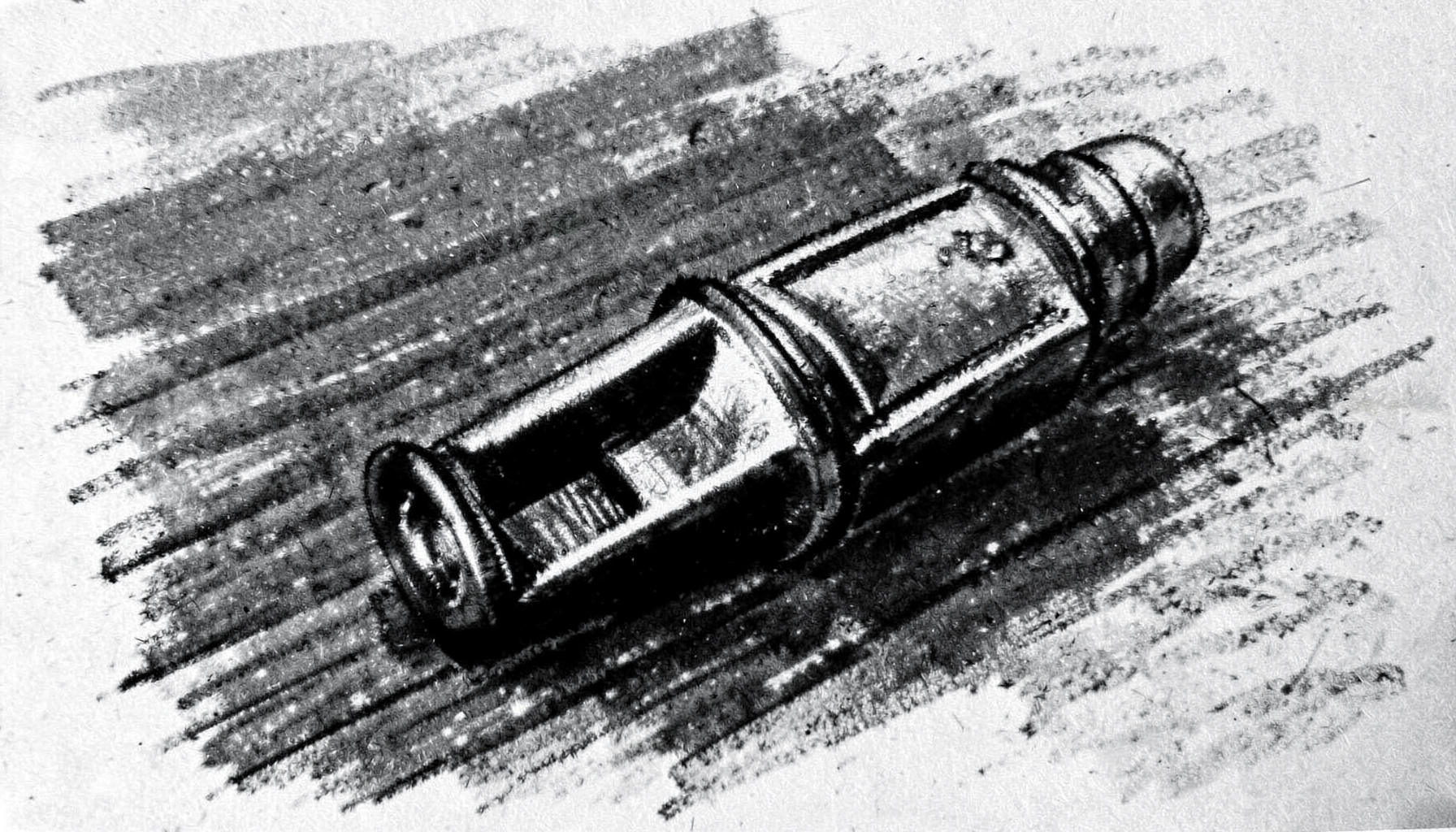
Small labelled pouches can then handle the details without turning the main bag into a jumble. One might hold pens, a timer, cards and spare batteries; another could contain tape, a whistle, blades or a repair kit. In Australia, people may call an afternoon fixture an arvo game, but that does not mean the agreed knock-up time will be relaxed. Pack as though you will arrive early and be ready before the first team does.
Keep Papers, Chargers, and Communications Ready
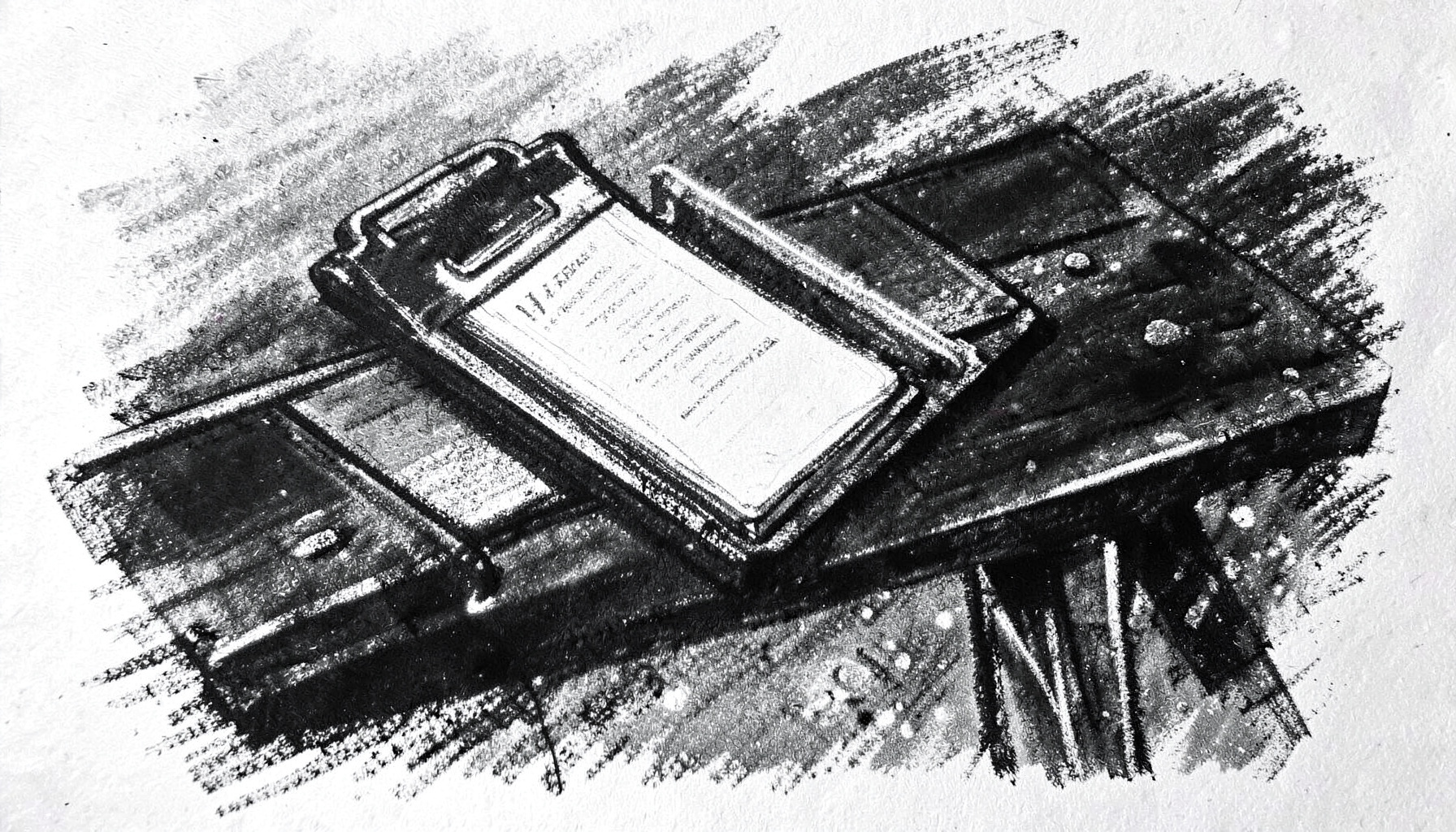
Store identification, assignments, receipts and venue notes in a slim document sleeve. Take a photograph of important details on your phone, but keep an offline copy because reception can be poor near regional grounds. Also carry the contact number for the organiser and any key ground personnel in case plans change during the drive.
Australian power points and chargers commonly use Type I plugs, so check what you need before leaving home. Fully charge your phone, radio and power bank, and label any shared device with your name. If the venue, uniform or assignment remains unclear, contact the association before departure rather than discovering the issue beside the officials’ room.
Plan for Regional Roads and Changing Weather
Travel to places such as Wagga Wagga, Dubbo or Bathurst requires more than a mapped arrival time. Allow for fuel, food, breaks and traffic near the ground. Australia drives on the left, and regional roads may include trucks, overtaking lanes, wildlife and long stretches without services. Download the route offline and carry a paper address as a backup.
Weather can shift quickly across eastern Australia, so check the forecast for the ground rather than the nearest major town. Carry water even when the road appears dry, and keep a compact emergency kit accessible. The same discipline appears in organised vintage motoring, where route planning and dependable equipment are treated as part of event preparation rather than an afterthought.
Build a Matchday Packing Routine
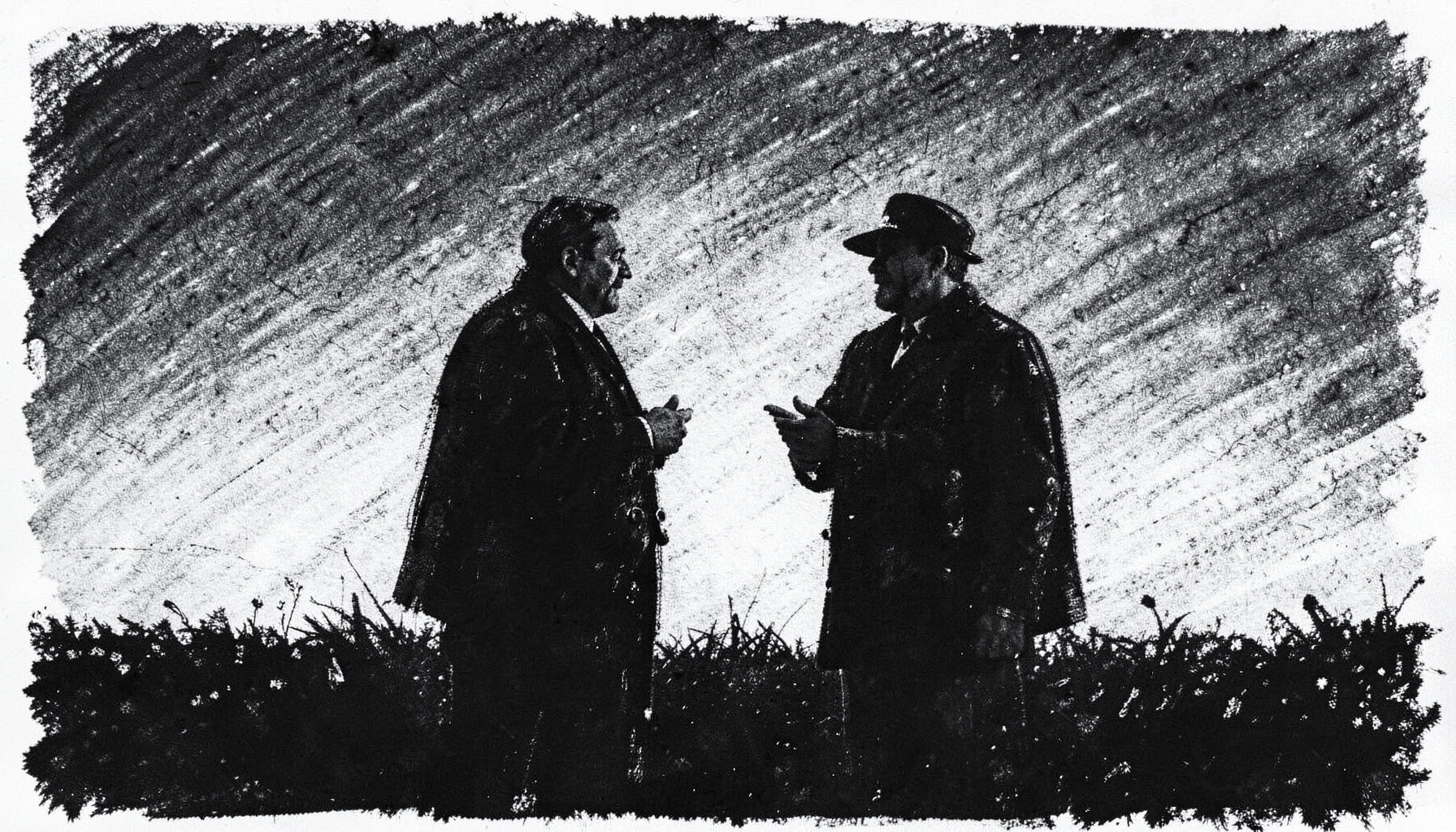
A crew operates better when everyone knows their role and the required standard before the first whistle. The SAOANC guidance on pre-game crew talks is useful for setting expectations around uniform, positioning, communication and common decisions. Agree on who carries the spare equipment, medical items and weather protection.
Use this routine each time you travel:
- Pack the uniform and footwear first in the order you will change.
- Keep matchday credentials, pens, cards and communication devices together.
- Place a change of clothes, water and snacks in an accessible side compartment.
- Separate wet or dirty clothing in sealed, clearly marked bags.
- Complete a final check against the assignment details before leaving home.
After returning, unpack immediately rather than leaving the bag closed for several days. Air any damp items, wipe the base and restock consumables. This prevents forgotten chargers and low batteries from becoming a regular source of stress and keeps the bag ready for the next regional fixture.
Keep the Bag Reliable Between Assignments
A travel bag earns its value through consistent use. Once a month, empty every compartment and remove items you no longer need. Replace expired sunscreen, frayed straps and faulty zips, then update the packing routine if your duties or clothing have changed. Keep a small inventory of spare essentials so replacements are already in the bag.
By the end of the season, the bag should contain no mysterious objects and no last-minute additions. Divide everything into daily, occasional and emergency categories, and make sure each item has a defined place. The practical standard is simple: open the bag at the door, find every required item without unpacking the whole bag, and leave with nothing left behind.