Staying calm when a game becomes physically intense
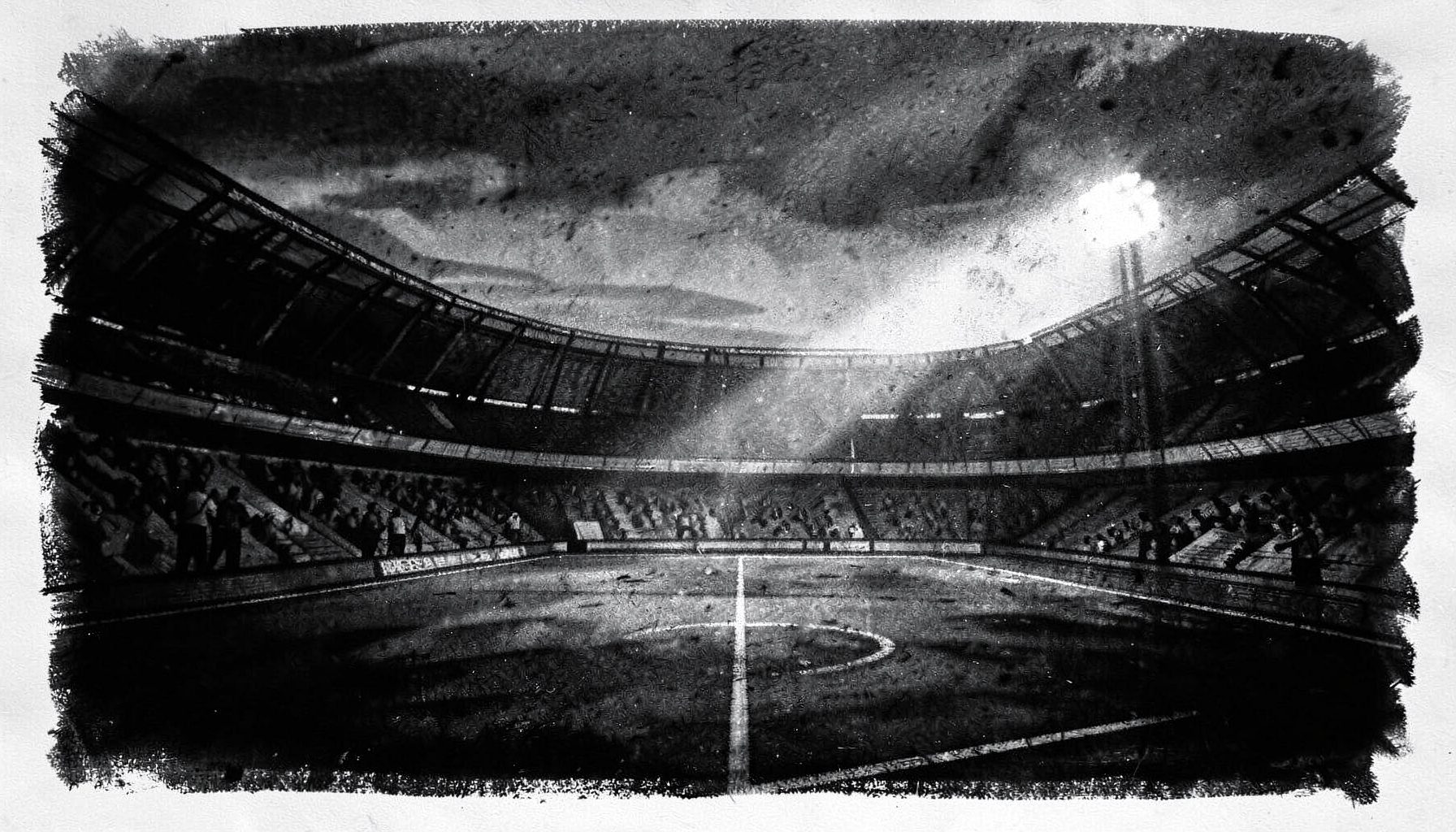
Officials are trained to recognise a foul, position for an advantage and use a whistle. A game can also test the person behind the decisions. Players converge, voices rise and a routine contest becomes physical. Knowing how to stay calm when a game becomes physically intense means protecting the game without escalating it. It also means remaining alert, using distance and giving early, clear instructions. Calm is not passivity; it is active control.
The culture around Australian community sport helps shape this skill. On a suburban oval in Newcastle or a cricket ground in Adelaide, officials are often volunteers known to players and the local crowd. Australian sporting banter can be quick and playful, but it is not a licence for abuse. An official who stays composed, keeps their voice level and uses plain language can often settle a situation before it becomes a confrontation.
Build a routine before the contest
Before the contest, build a routine that reduces surprise. Arrive early, inspect the playing area and know where first aid, exits and nearby officials are positioned. Review signals, restart locations and crew responsibilities for the event. At the briefing, identify likely pressure points such as a touchline, penalty area or a player returning from injury. Familiarity helps the mind treat unusual moments as manageable rather than threatening.
Personal preparation matters as well. In summer, water and sun protection are operational tools, particularly on a bright oval in central Queensland. In cooler climates, layers and a warm-up routine help officials stay comfortable and responsive. A few controlled breaths, a relaxed jaw and deliberately loose shoulders can interrupt the stress response before it affects voice or movement. The goal is not to suppress every emotion, but to keep attention available.
Training and membership support turn individual awareness into a crew habit. The official association resources from the Southeastern Athletic Officials Association cover training, membership, sports, calendars, downloads and contacts for its southeastern North Carolina network. Australian officials should pair those examples with the relevant state association, school competition or club pathway. A supervisor or experienced colleague can identify blind spots and model a better response than an official can build alone.
Read the signs of rising tension
Watch patterns rather than waiting for obvious trouble. A sudden cluster of players, a change in walking pace, repeated gestures and an umpire moving toward the same incident can signal tension early. These signs may reflect excitement rather than danger, so read the whole field. Notice whether the sides remain separated, whether substitutes are entering and whether the crowd is reacting to the incident or the surrounding atmosphere.
Distance should be your first response. Keep enough space to see both shoulders and the area behind a player rather than standing directly in front of a charging body. Identify at least two ways to move out of danger and avoid becoming trapped against a barrier. Moving laterally restores a view and creates time for others to assist. An official who is stationary and surrounded has lost options; stepping wide and backward can recover one.
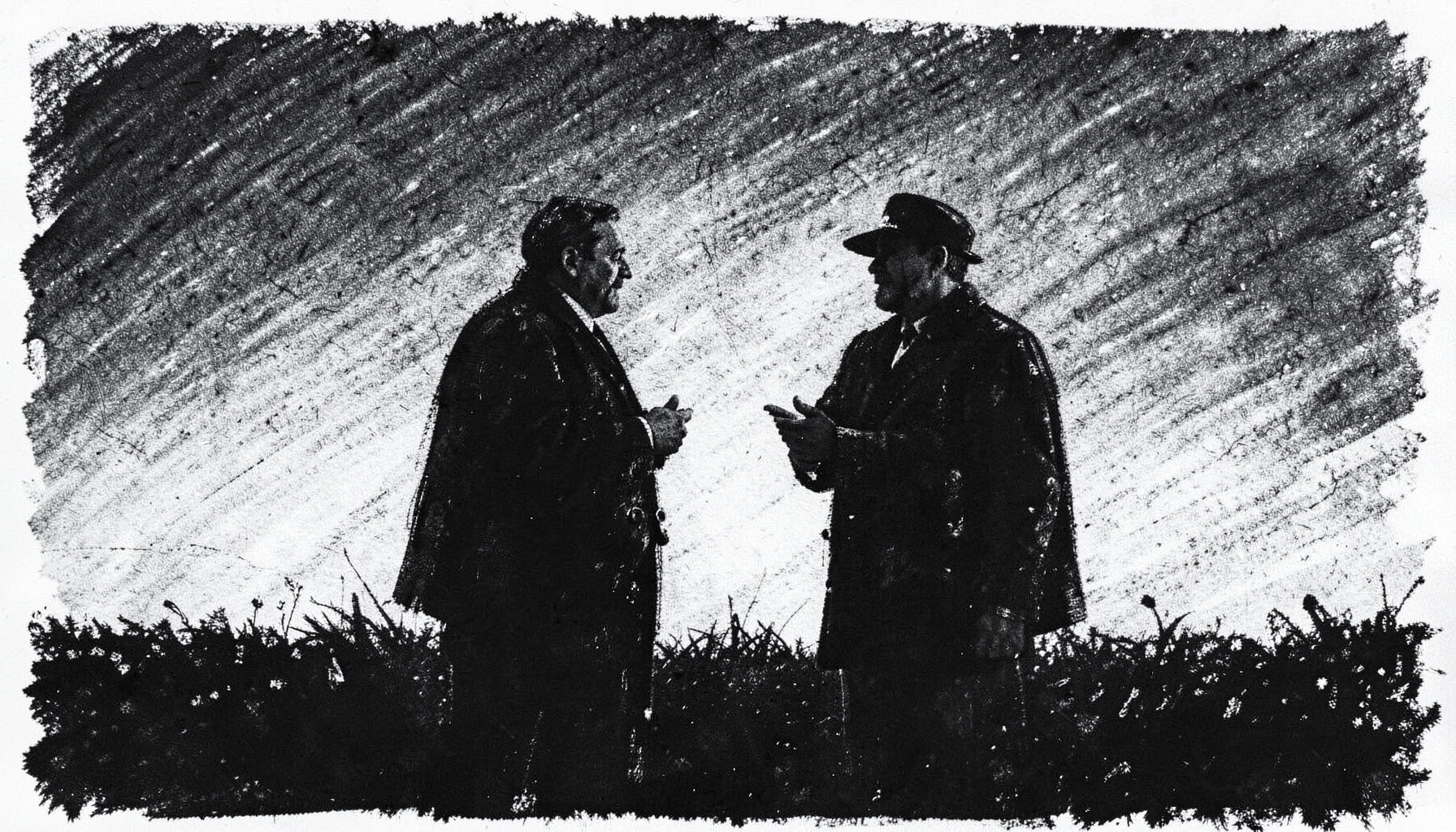
A heated exchange can pull an official into another person's rhythm. Lower your shoulders, slow your breathing and use a deliberate step away rather than mirroring the other person's movement. Speak before your tone hardens, because a voice that begins firm and quiet can still carry. Keep your eyes up, scan beyond the immediate disagreement and treat silence as a chance to observe. Composure gives the crew time; impatience creates the delay that makes a manageable incident difficult.
Use communication to regain control
When a contest needs controlling, use short sentences that can be heard over noise. Statements such as “Separate,” “Step back,” “Officials, help” or “Play on” should identify an action rather than criticise a person. “You are disrespecting me” invites an argument; “Give me space so I can manage this” keeps the issue practical. Australian audiences usually value direct speech, but it should remain respectful and task-focused. A calm official does not try to win every exchange or prove that the last comment was wrong.
In American football, a crew chief can bring order to a developing scene. The association’s explanation of crew-chief duties is useful because it shows how a senior official assigns positions, supports less experienced members and communicates with the crew. The same principle works across Australian codes: the nearest official may handle the incident while a partner watches the wider field, controls substitutes and prepares for the next restart. Assigning roles quickly prevents several people from giving different instructions at once.
Communication also extends to coaches, substitutes and spectators, but it should not pull an official away from safety. Give one person a clear message while another keeps watch. Avoid sarcastic replies, accusations and prolonged arguments with a hostile crowd. If a spectator enters the boundary, request help from event staff rather than moving the person alone. In New South Wales, club volunteers often manage the barbecue, gate and parking area as well as the game, making them valuable support.
Move through danger without confrontation
Your safety outranks the desire to stand your ground. If players are running, do not step into their path to make a point. Retreat towards the sideline, call for the nearest official and use the agreed emergency plan when there is a real threat. A physical confrontation is not an appropriate way to enforce a decision. Separate people when it is safe and reasonably within your role, using trained personnel and emergency services for serious incidents.
The need for this discipline is clear in contact sports. On the Southeastern Athletic Officials Association's football officiating pathway, American football creates crowded tackle areas, sideline clashes and fast movement away from the ball. The mechanics differ from Australian rules football, rugby league, rugby union and soccer, but the safety principle is shared: do not enter an unfolding collision, keep an escape route and call for assistance early. Know local laws for assistance, dissent and removal, but apply them without turning enforcement into a contest of wills.
Good positioning also reduces the need for confrontation. Move to an angle that lets you see the play without blocking it, then stop when the action stops instead of following players into unnecessary argument. When a decision appears wrong, use the crew's review procedure and report genuine errors later. The official who argues with a player after every whistle spends attention on the dispute and less on the next play. Firm, consistent enforcement can settle a game without making the official the opponent.
Recover, review and reset after play
After the final whistle, allow the adrenaline to subside before discussing a difficult incident. Drink water, eat if needed and separate emotional residue from facts. A short walk or quiet minute can stop an argument from replaying on a loop. Do not approach a player or coach alone if you remain angry; involve a supervisor or event manager and record what occurred while details are clear.
A useful debrief asks what each person saw, which signals were used and whether anyone felt unsafe. It should identify a better position, phrase or response for next time, not assign blame for its own sake. Report injuries, threats and rule violations through the required channel, and follow applicable emergency and safeguarding procedures when needed.
Community atmosphere matters as well. A comparison with community game-day atmosphere in Oregon shows how shared rituals, food and family participation can make an event welcoming. Australian club rooms across metropolitan and rural leagues often have a similar spirit. Keep interactions friendly after the contest, thank volunteers and avoid holding a grudge. People remember an official who treated them with dignity during a tense passage.
Staying calm is a skill built before pressure arrives and maintained through clear priorities: prepare the site, know the crew plan, read the field, preserve distance and give instructions that name the action needed. When a situation exceeds the official's role, withdrawal is often the strongest professional response. The standard to carry from every game is simple: protect people, protect the playing area, keep decisions separate from personal conflict and create room for the contest to continue. A composed official does not need to dominate the field; they model the respect the game deserves.