Understanding the sports officiated across our region
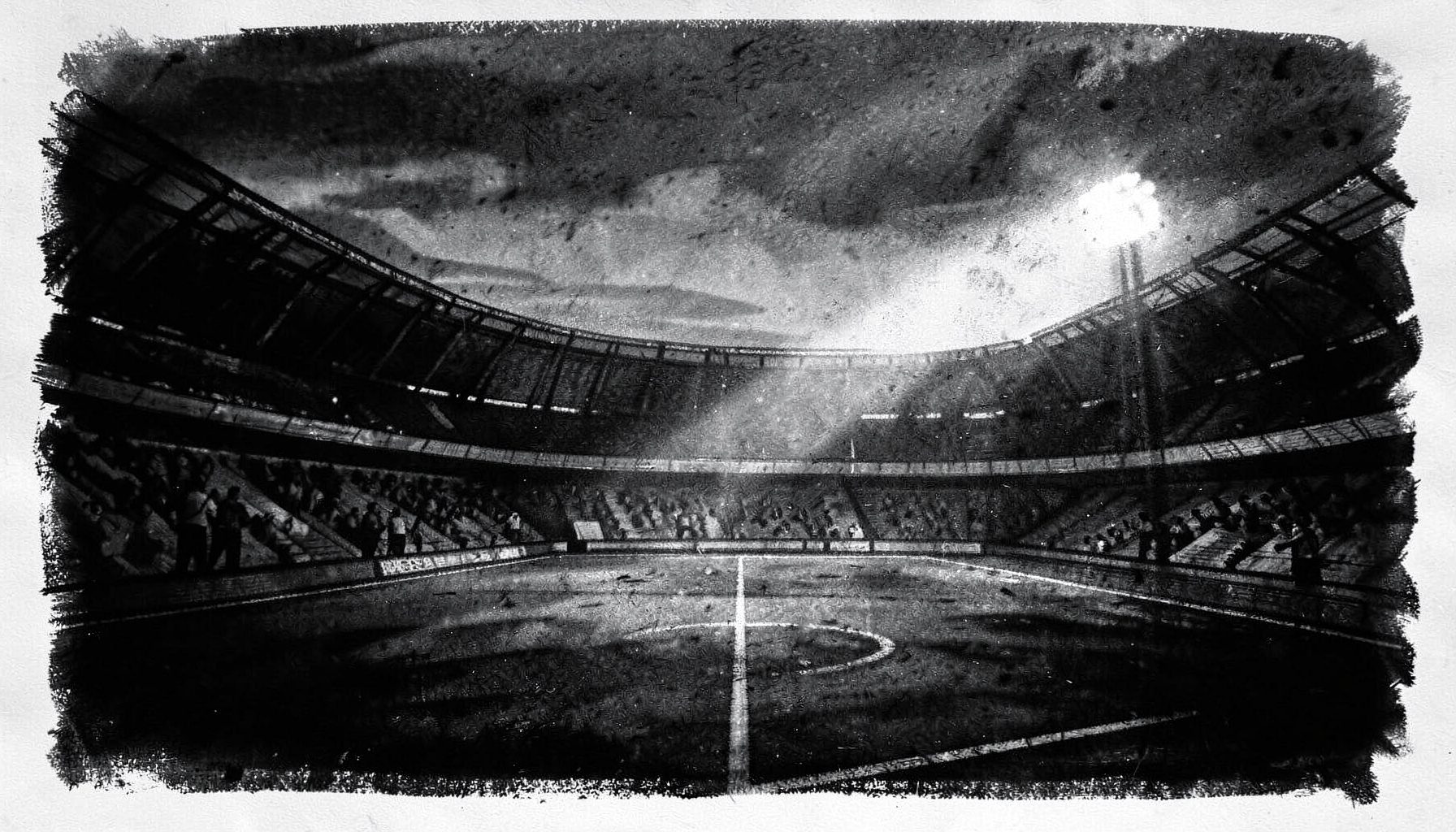
School sport in southeastern North Carolina brings together a wide range of playing styles, seasons and communities. Officials may work under Friday-night lights, on a hardwood court, beside a baseball diamond or at a busy tournament where several age groups compete across one day. Each sport has its own rulebook, signals, positioning and rhythm, yet every contest depends on calm decisions and consistent standards.
For an Australian audience, the differences can be especially interesting. A basketball referee’s rapid transitions feel familiar to anyone who follows the NBL, while American football uses a larger officiating crew and a very different restart structure from AFL or rugby league. Learning the distinctions helps prospective officials choose a pathway that suits their interests, availability and communication style.
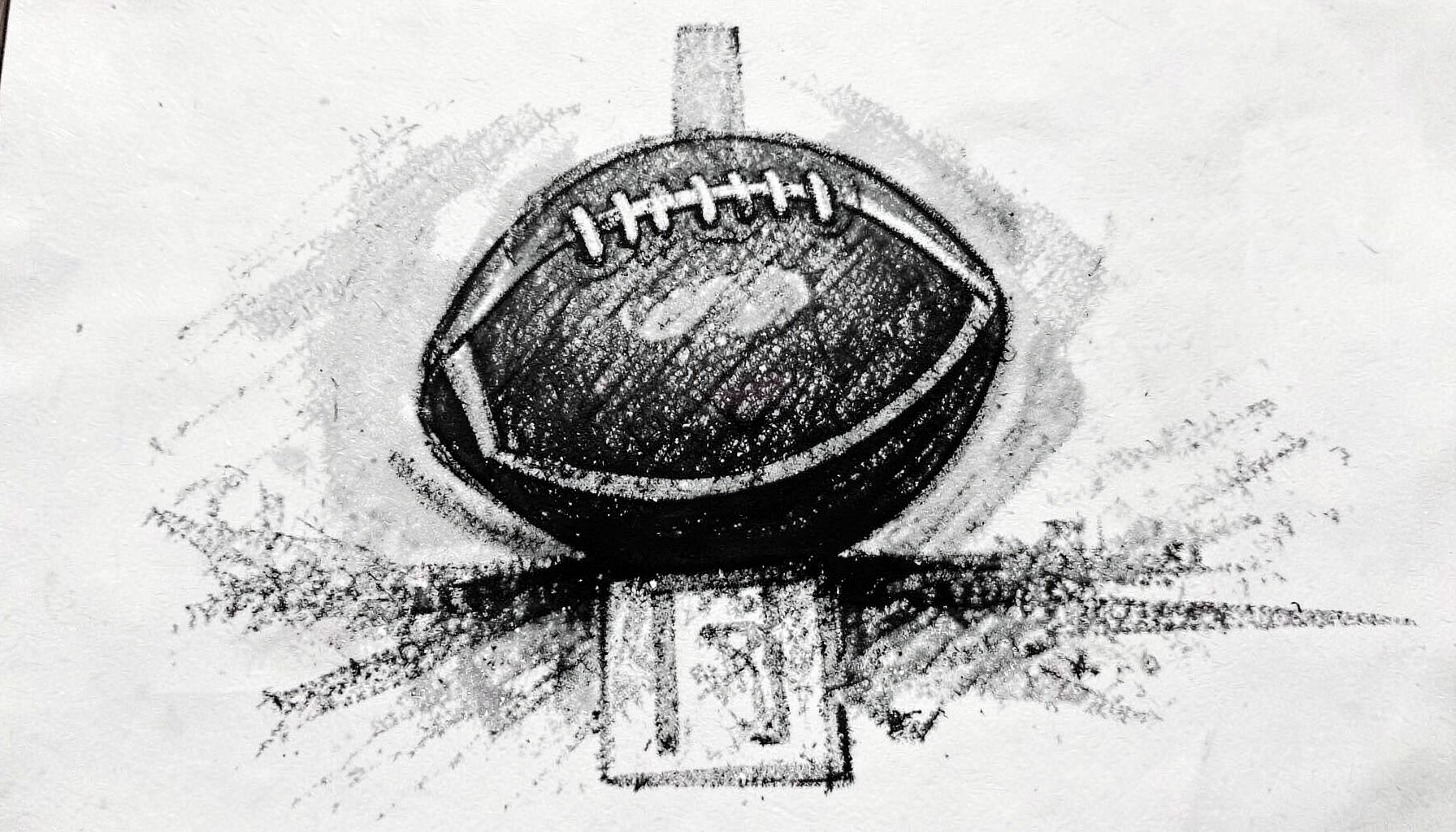
American football demands coordinated teamwork
American football is built around short, intense plays followed by a reset. Officials must identify the end of each play, manage substitutions, monitor eligible receivers and recognise penalties that may occur away from the ball. The crew works as a unit, with each official responsible for a defined area and set of observations.
The sport is often associated with large Friday-night crowds, marching bands and strong school traditions. In communities around Wilmington, Fayetteville and smaller towns across the region, the match can be a major weekly gathering. That atmosphere is rewarding, but it also requires officials to stay focused when noise, weather and emotional pressure rise.
Australian spectators may initially compare football with AFL or rugby league, but the mechanics are quite different. American football uses downs, a line of scrimmage and frequent stoppages, so an official must be precise about timing and placement. Training develops the discipline to communicate clearly, move safely and make decisions before the next snap.
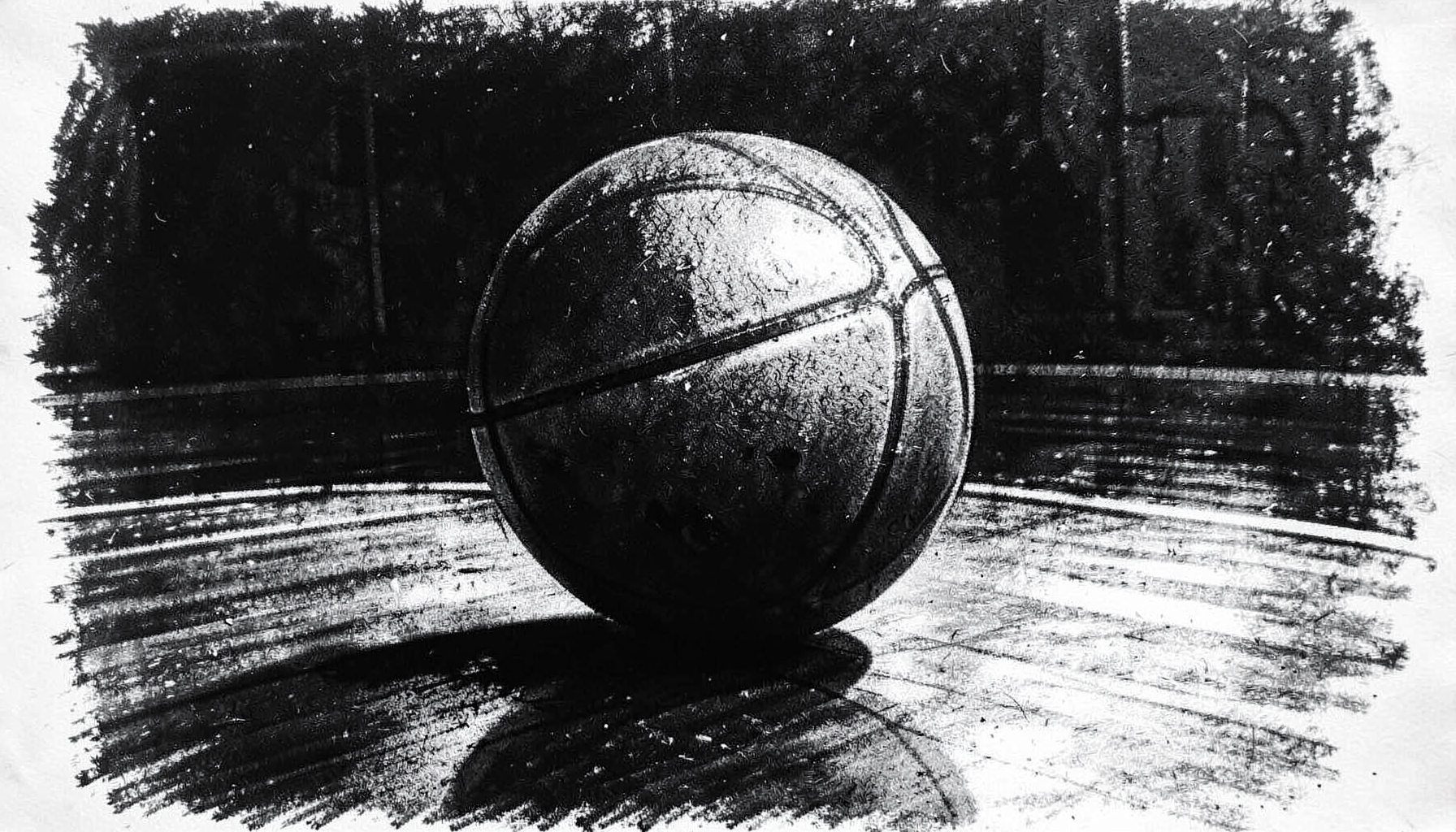
Basketball rewards speed and positioning
Basketball officials operate close to the action, often moving from one end of the court to the other in seconds. They watch for travelling, illegal contact, screening violations, out-of-bounds situations and control of the ball. Good positioning gives an official the best chance to see the play without interfering with athletes.
At school level, the game can change rapidly. A relaxed opening quarter may become a physical contest late in the fourth, particularly when a tournament qualification or local rivalry is involved. Referees need a strong voice, quick recovery after mistakes and the confidence to apply the same standard to both teams.
The experience will feel reasonably familiar to Australians who follow basketball in Melbourne, Sydney or Brisbane. The terminology and court conventions are largely recognisable, although local rule codes and competition procedures can differ. Officials who already understand spacing, transitions and defensive contact often have a useful foundation for learning the American version.
Baseball and softball test observation
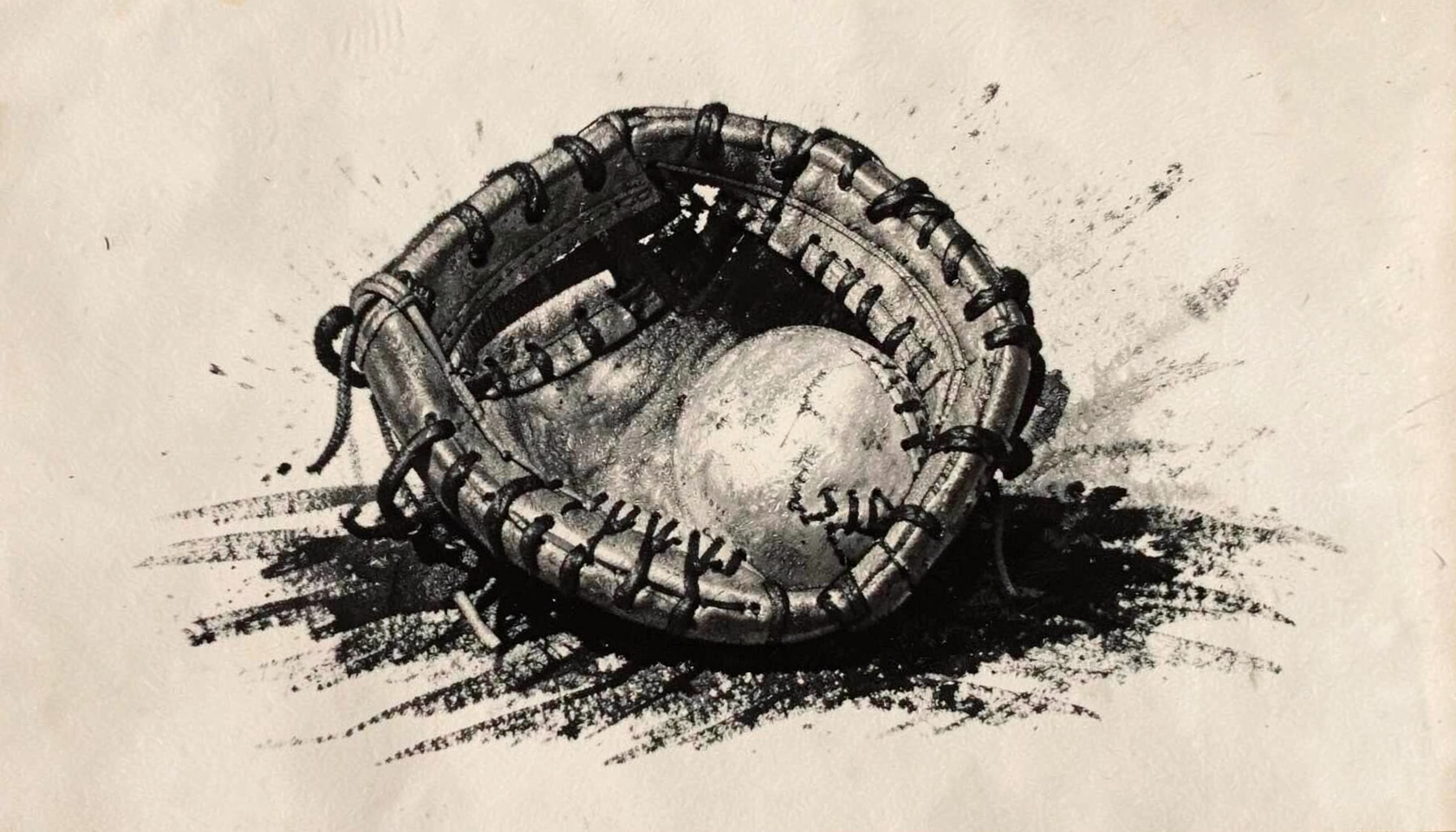
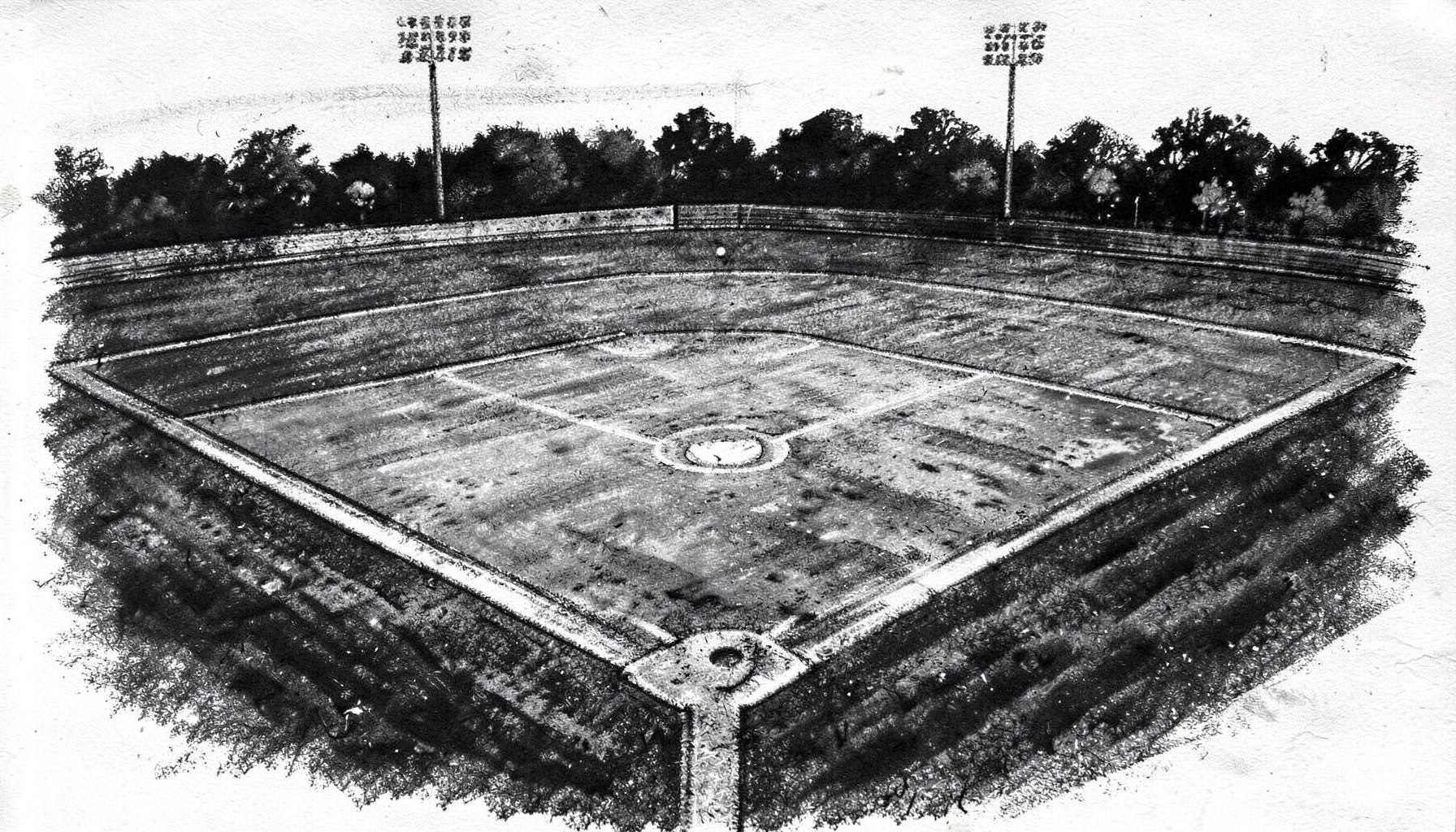
Baseball and softball are built on anticipation rather than continuous movement. An umpire may spend long periods reading the pitcher, batter and runners before making a decision in a fraction of a second. Balls and strikes, force plays, tags, fair or foul balls and interference all demand concentration and a clear view.
Softball often offers a quicker tempo and different pitching conditions, while baseball can create more complex situations involving stealing bases, pick-off attempts and defensive positioning. In both sports, umpires must understand the possible next play instead of following only the ball. The best angle is frequently created before the action begins.
This contrast can appeal to someone whose strengths are patience, pattern recognition and controlled communication. It is also a useful reminder that officiating is not always about constant running. A successful official may be physically active, tactically alert or both, depending on the sport and level of competition.
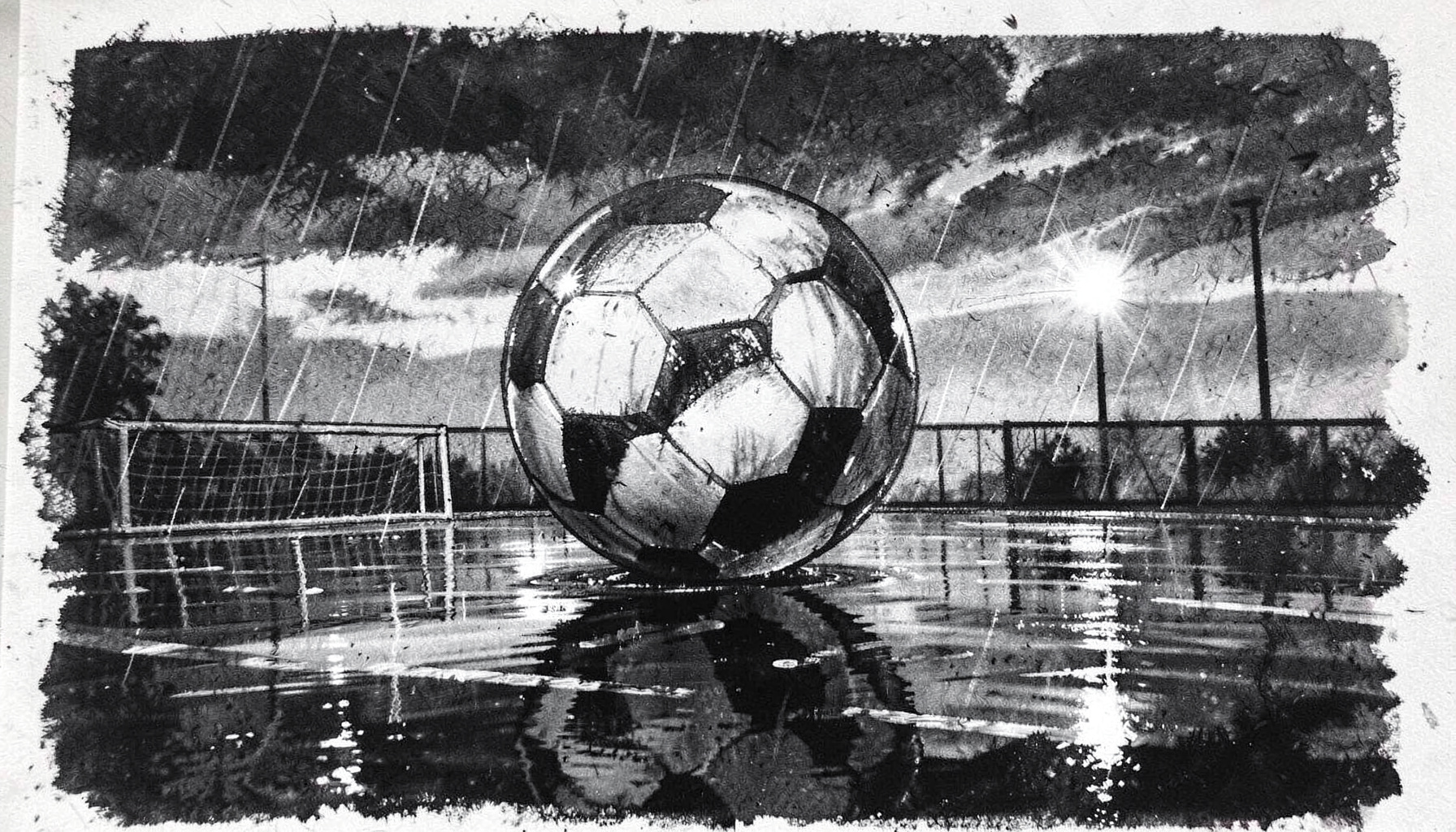
Soccer connects familiar skills with local rules
Soccer officials manage a broad playing area and must maintain awareness of advantage, offside, challenges, substitutions and match time. The referee is supported by assistants who monitor touchlines and offside decisions, creating a system that depends on shared signals and trust.
For Australians, soccer offers an accessible entry point because the sport is widely played from Perth to Newcastle and is part of many community clubs and school programmes. The basic flow may feel familiar, but American high-school competitions can use specific rules for substitutions, equipment, field markings and timing. Officials need to study the local code rather than rely solely on experience from Football Australia competitions.
Weather adds another practical consideration. Heat, humidity and sudden storms can affect player safety and concentration in North Carolina, just as summer conditions can matter around Brisbane or regional New South Wales. Officials should know the competition’s procedures for hydration, lightning, suspended play and returning safely to the field.
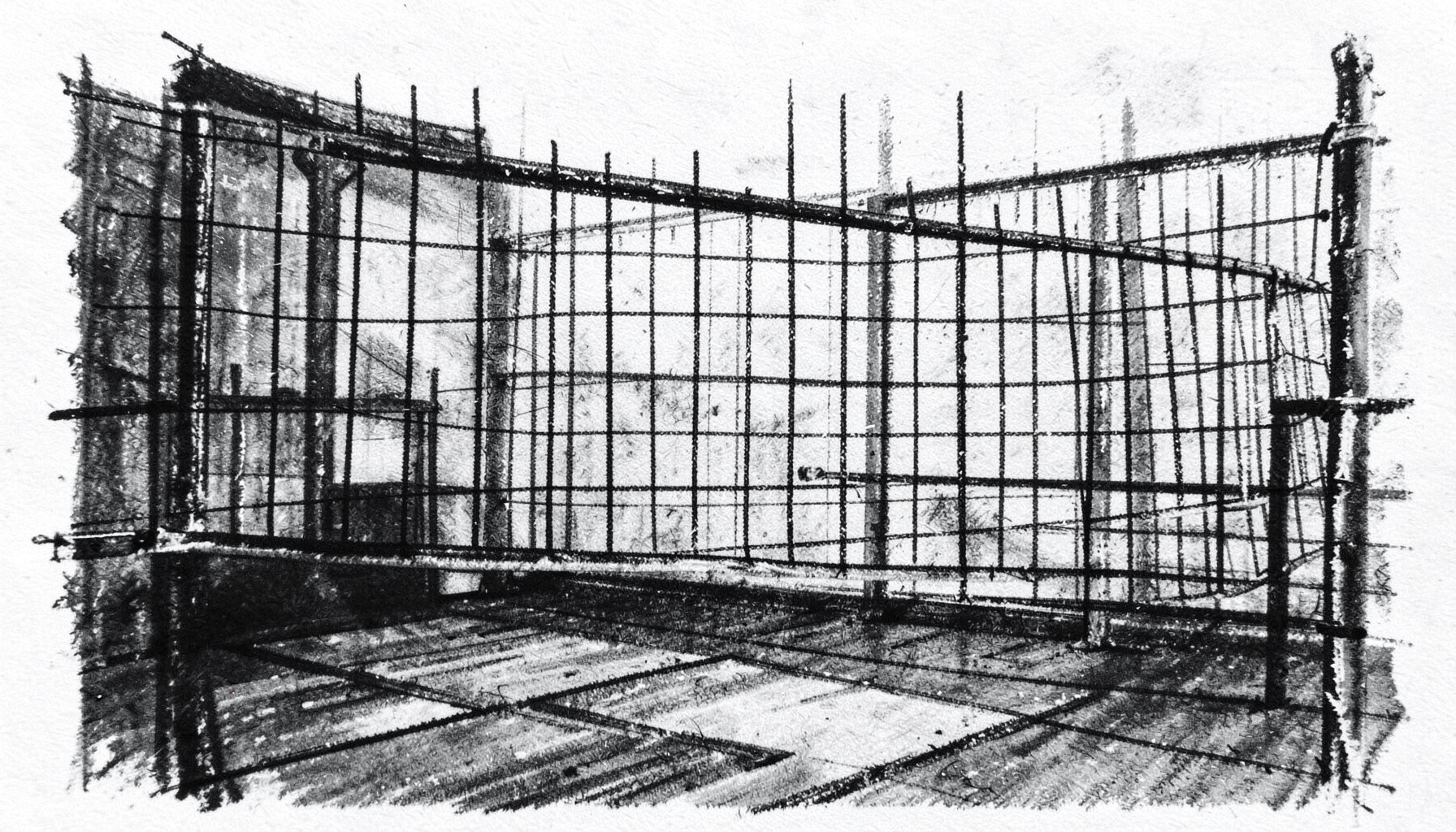
Volleyball requires consistent judgement
Volleyball officiating involves a referee crew, line judges and scorers working together through rapid rallies. Officials monitor service order, rotations, net contact, attacks from the back row, substitutions and whether the ball lands inside the boundary. Because the action is concentrated near the net, small positional errors can make a major difference.
The sport rewards officials who communicate economically. A strong decision is delivered through an established hand signal, whistle and confident posture rather than a long explanation. The scorer’s records are also important, especially when rotations, time-outs or substitutions become disputed late in a set.
Australian readers may recognise the atmosphere of indoor volleyball tournaments held in school gyms and community centres. The local market for officials can include weekday school fixtures, weekend club events and larger carnivals, making it a possible fit for people seeking flexible work around study, family or another job.
Wrestling and emerging assignments broaden the pathway
Wrestling places unusual demands on officials because the contest is close, fast and physically dynamic. Referees must identify control, near-fall situations, illegal holds and safety concerns while moving around athletes on the mat. Decisions need to be prompt, visible and grounded in the rules rather than the crowd’s reaction.
Officials may also encounter other school sports or specialist assignments depending on the association’s annual programme. Each discipline brings a different combination of fitness, technical knowledge and interpersonal judgement. Some people prefer the sustained running of field sports; others are more comfortable with the measured timing of court or combat sports.
Prospective members can learn about entry requirements through the new official pathway, then compare training expectations with their own schedule. In Australia, anyone volunteering or working with school-aged participants should also check the relevant state or territory Working with Children Check requirements. Queensland’s Blue Card system, Victoria’s Working with Children Check and New South Wales’ equivalent process are separate schemes, so local compliance matters.
Preparation turns interest into reliability
A new official does not need to master every sport at once. The sensible approach is to choose one discipline, learn its rules in context and build experience through supervised games. Fitness preparation should match the assignment: repeated sprints for football or soccer, lateral movement for basketball, and alert stability for baseball, softball or volleyball.
Training should include more than rule memorisation. Officials practise mechanics, signals, conflict management, injury response and report writing. They also learn how to work with coaches, scorekeepers, athletic directors and fellow officials. In the Australian employment market, casual sporting work may involve evening travel, invoicing and irregular income, so practical planning is as important as technical skill.
Useful habits for building a dependable officiating routine include:
- Read the current rules and competition regulations before every season.
- Attend clinics, practical sessions and game reviews whenever they are available.
- Check equipment, footwear, timing devices and weather conditions before leaving home.
- Learn the correct safeguarding and child-protection requirements for the location.
- Keep a calendar that allows realistic travel time between schools and venues.
- Record feedback after each assignment and turn it into one specific training goal.
Leadership also shapes the quality of an officiating programme. Regional supervisors and board members help set expectations, support development and maintain communication with schools. The association’s leadership information gives members and prospective officials a clearer view of who guides the organisation and how its work is structured.
The next concrete step is to select one sport, review its current rules and register for the association’s next available training opportunity.