Understanding the role of the back judge in football coverage
Australian readers use “football” for several sports, including Australian rules, rugby league, rugby union and American football. The back judge examined here is an American-football official, not an Australian-rules field umpire or a rugby touch judge. Gridiron has a smaller competitive market than the AFL or National Rugby League, but Gridiron Australia and local clubs provide opportunities to enter the discipline. The Southeastern Athletic Officials Association supports schools, supervisors and officials in southeastern North Carolina, giving its guidance a clear gridiron foundation.
The position is often reduced to watching deep passes. In reality, the back judge defends the line of scrimmage, monitors the secondary and communicates with the rest of the officiating crew. A rugby league touch judge has different responsibilities, yet both positions demand good spacing, anticipation and calm communication. Keeping the rule sets separate prevents a useful officiating principle from becoming a mistaken comparison.
An assignment begins well before kick-off. Officials inspect the ground, confirm equipment, note the weather and introduce themselves to the crews. Around Melbourne, early appointments can fit around tram travel and Saturday club crowds; in regional Australia, a long drive and a pre-game meal at the venue often form part of the routine. Brisbane’s humidity, Melbourne’s rapidly changing weather and strong sun across eastern Australia can each affect footing, timing and visibility.
Community participation also carries legal and cultural responsibilities. Junior officials should follow the safeguarding rules of their state governing body and club. In Victoria, the Working with Children (Background Checking) Act 2000 can require current checks for people doing child-related work, while other states use their own screening frameworks. Confirming the applicable requirement with the club before accepting a junior assignment is part of professional preparation.
What the back judge controls
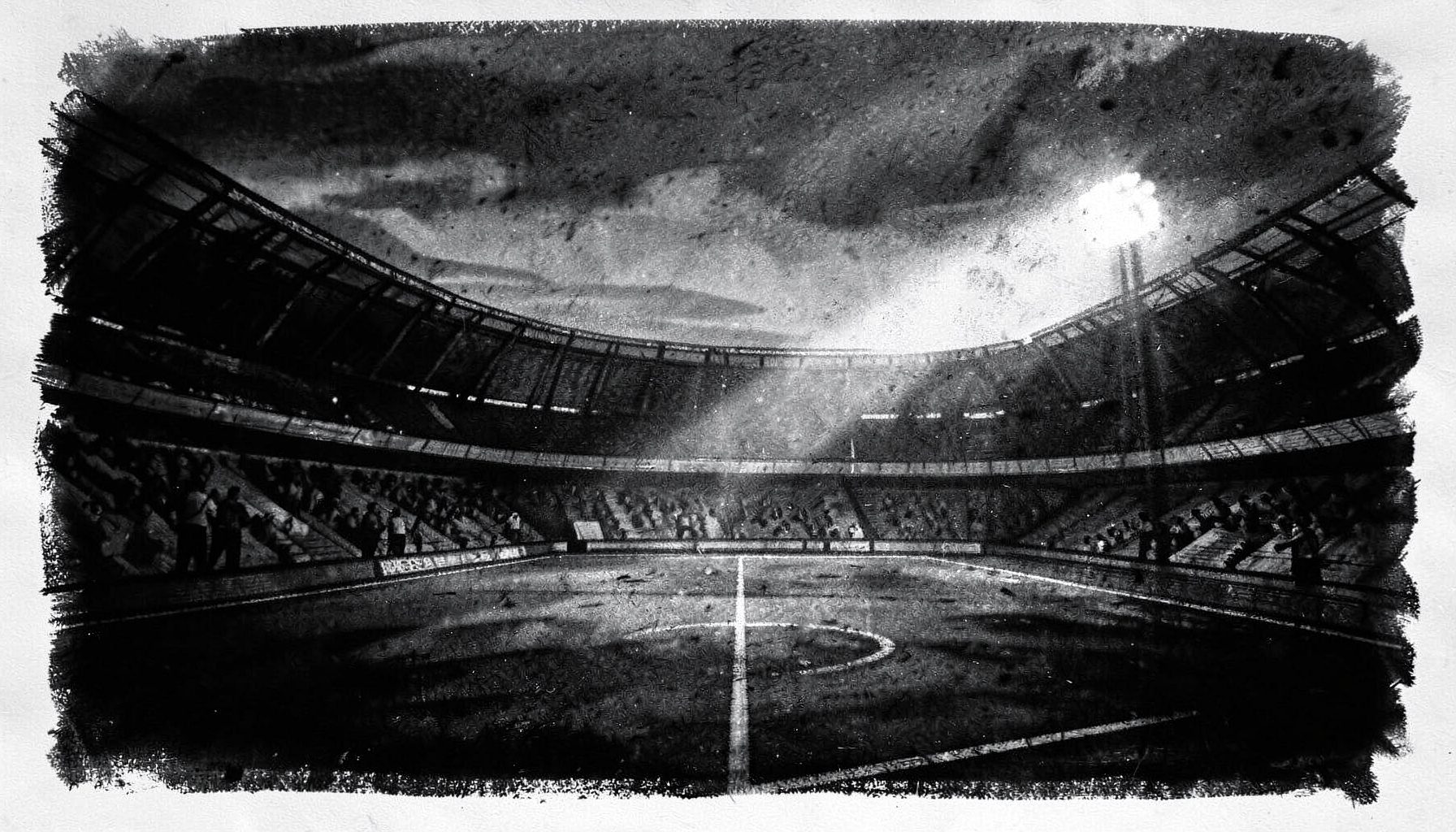
Usually stationed on the defensive side, roughly 15 to 20 yards behind the line of scrimmage, the back judge owns the deepest zone. That position provides an unobstructed view of receivers crossing the line and defenders reacting to passes. It also places the official closer to the end-zone area, where the greatest gains often occur and where missed contact can turn a routine play into a penalty.
Assignments vary by system and down, but the regular duties include pass interference, safety, illegal contact with a receiver and protection of the passer or kicker. On scoring attempts, the back judge watches the goal line and relevant contact before reporting the result to the referee. The official may also assist with the line of scrimmage, substitutions and off-field issues. Rule-book knowledge matters because a correct ruling at the wrong moment still creates an avoidable error.
Physical preparation supports those responsibilities. A child-focused resource on children’s athletics activity offers a useful reminder that warm-ups should develop control progressively. Officials can apply the same principle to their own hips, ankles and knees. Walk the intended position before the game and vary the viewing angle rather than planting in one rigid stance.
Reading the secondary and sideline
The secondary begins with communication, not a guess about the play. Before the snap, the back judge should locate the deepest receiver, identify the defender likely to match up and scan for a defender who has lost leverage or position. When the quarterback releases the ball, the official follows the pass rather than the runner. That visual habit prevents common errors, including watching a collision while the actual foul develops behind the play.
Sideline space needs equal attention. A receiver who steps out before establishing possession should be judged out of bounds; a defender who pushes the receiver beyond the boundary may draw an offensive foul, depending on the contact. Spectators, substitutes and coaches must remain outside the restricted area. The back judge’s wide angle can help, although the line judge or side judge usually has priority at the boundary. The SAOANC volleyball program demonstrates the value of officials working across sports, where positioning, communication and quick decisions transfer even when rulings do not.
Australian football audiences may expect the touch judge to judge touch-in-goal and touchline behaviour, while the central referee controls scrums and restarts. Gridiron offers no automatic transfer of those signals. Use the rugby comparison to understand the value of an unobstructed view, then rely on the gridiron rulebook, the assigned position and the referee’s conference system. Asking a crew partner for help is appropriate when the action is hidden; silently making an uncertain ruling is not.
Preparing for a day on the field
A sound routine makes the first minutes of an assignment predictable. Arrive early enough to speak with both coaches, locate the changing area and inspect the playing surface, pylons and goalposts. Check the game ball and sideline equipment, identify the clock operator and confirm any special rules for the venue. A short personal warm-up should follow, with extra attention to the calves, hamstrings and hips after a long drive.
Venue information should always be confirmed directly. The published contact and facilities information for Castle Rock Golf Club shows how a community sports organisation can help visitors plan their arrival. Officials should apply the same habit to gridiron by checking the host club’s directions, parking arrangements and surface notes rather than relying on memory.
Pack for conditions rather than reputation. A light rain jacket is useful in Melbourne, while sun protection and water are essential in Brisbane and inland Queensland. Bring a refillable bottle, a spare whistle and a charged phone; many Australian club volunteers also carry their own towel and arrive for a meal before early fixtures. Keep those belongings away from the restricted sideline so the official can begin with the game instead of correcting avoidable logistics.
Standards that protect trust
An official’s authority depends on consistency, impartiality and conduct beyond the final whistle. The SAOANC code of ethics provides expectations for treating participants fairly, avoiding conflicts of interest and protecting the integrity of assignments. Read the code before the season, then use it when a coach questions a call or a personal connection could affect an assignment. Transparency protects the official as well as the players.
Safeguarding is part of that standard. Report a concern about a child’s welfare through the club’s prescribed channel, preserve relevant facts and avoid publishing speculation on social media. In Australian junior sport, state screening rules and governing-body policies may apply alongside the Working with Children (Background Checking) Act 2000 mentioned earlier. The exact legal threshold varies, so the association should provide the official’s local compliance process instead of offering broad legal advice.
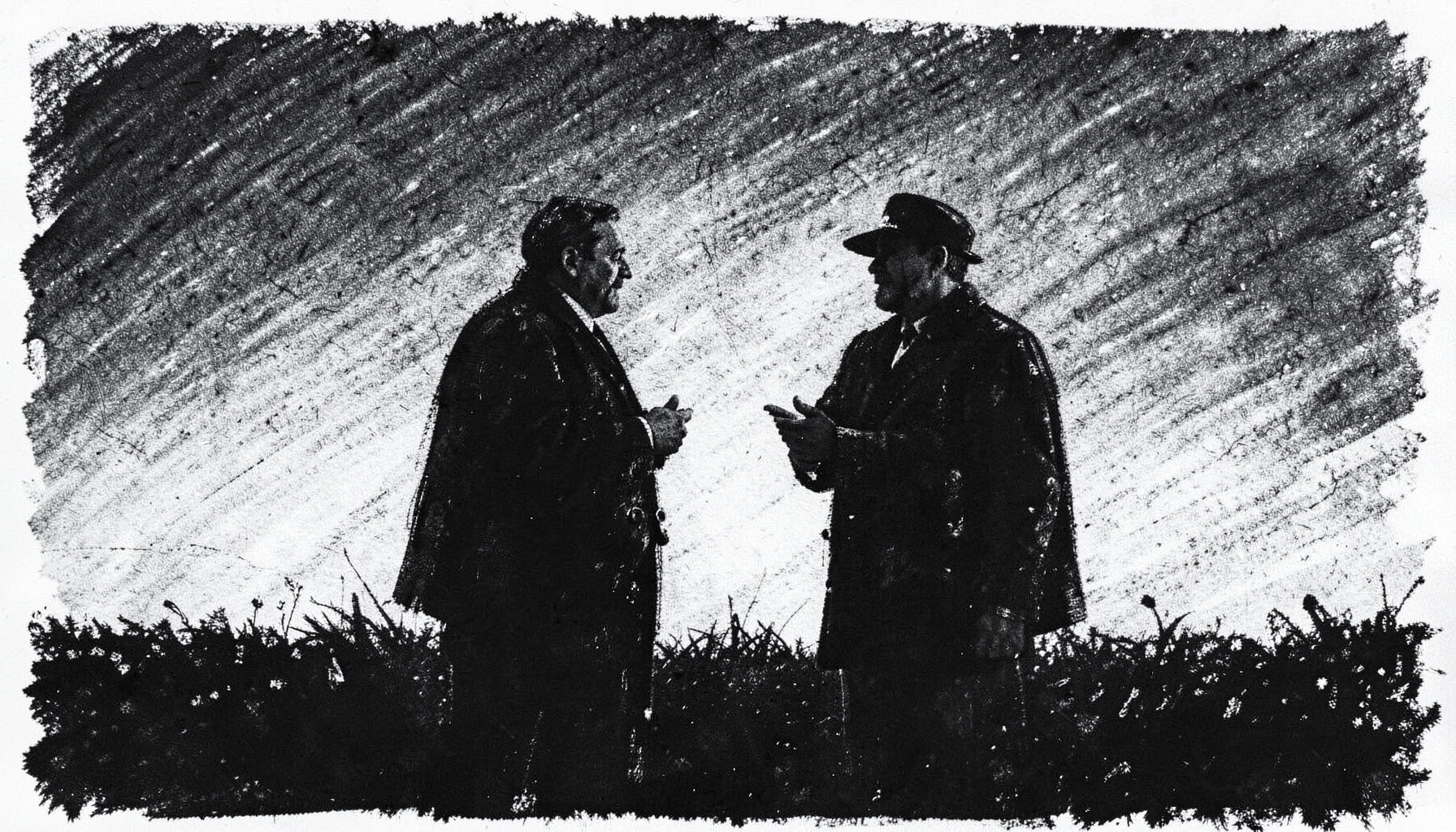
Professional behaviour also governs how an official handles disagreement. Listen without interrupting, describe the ruling from the position held and consult the assigned official when needed. Do not argue with a coach on the field while players wait. A calm conference, followed by a clear explanation away from the action, resolves most disputes. If an error occurred, record it according to association policy and use it for future preparation.
A practical preparation and performance checklist
The following lists turn the back judge’s responsibilities into repeatable habits. They apply directly to American football and can support an official working in another Australian code, provided gridiron rulings are kept separate.
Before the assignment
- Inspect the field, pylons, goalposts and sideline areas.
- Confirm reporting time, venue access and game administration details.
- Review down-and-distance situations and recent team tendencies.
- Complete a dynamic warm-up and test radio communication.
- Pack weather protection, water, a whistle and a charged phone.
Assignment travel can affect life away from football, and the association’s guidance on balancing assignments and family offers a practical approach to planning ahead. Share availability early, protect non-assignment commitments and include travel time when deciding which games to accept.
During and after the game
- Establish the secondary and scan for leverage before each snap.
- Follow the pass, the receiver’s boundary position and any illegal contact.
- Communicate clearly with the referee and other crew members.
- Keep discussions with coaches brief, respectful and away from active play.
- Record rulings, positioning notes and equipment concerns for review.
Reviewing performance is most useful when it produces one specific adjustment for the next appearance. The concrete next step is to record the reporting time and venue in your calendar immediately after receiving the next assignment confirmation.