What the Neutral Zone Infraction Looks Like in High School Football
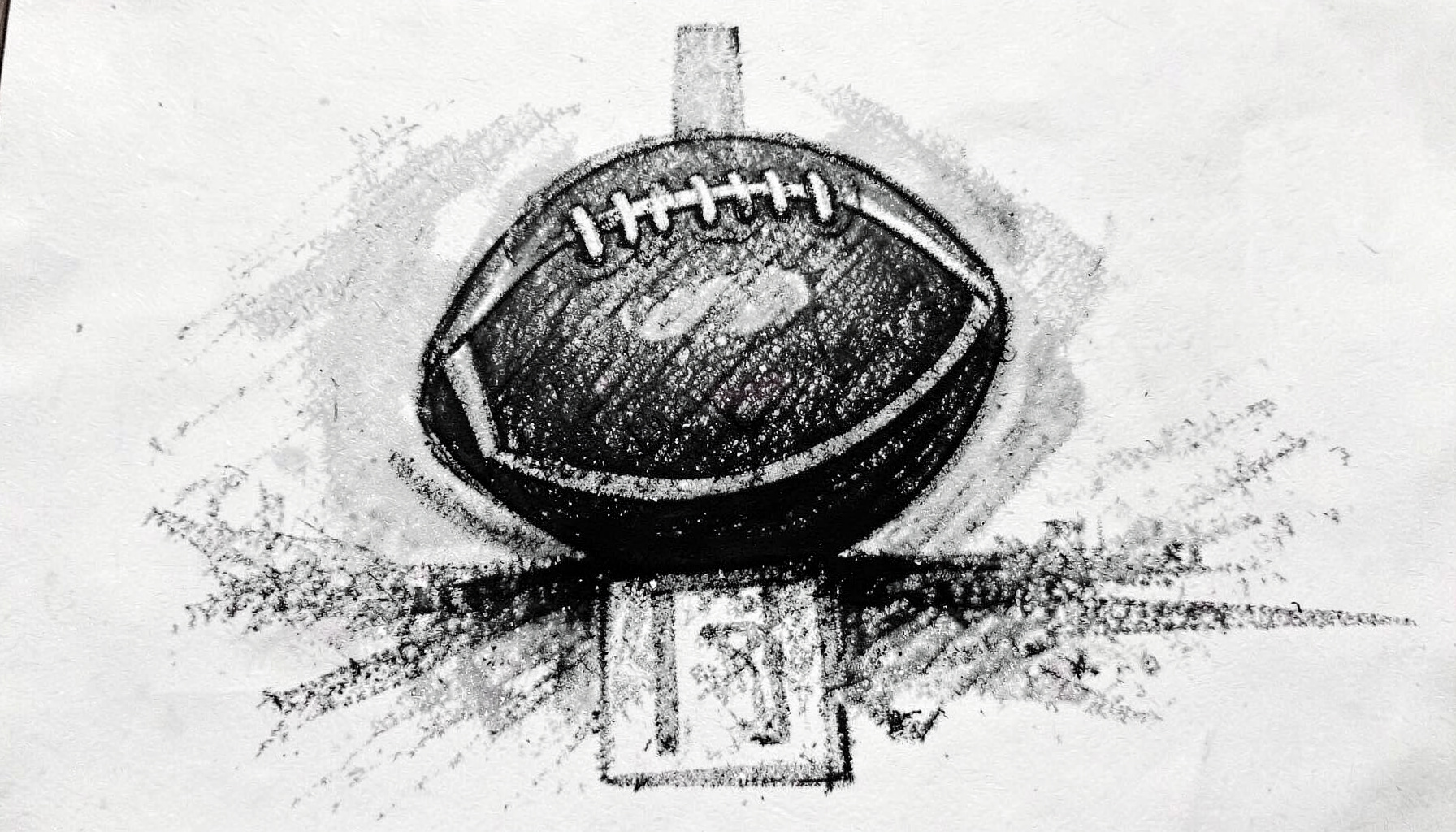
For spectators used to rugby league, rugby union or Australian rules football, American football’s neutral zone can seem unusually precise. It is the space separating the two teams before the snap, created by the length of the football between the offensive and defensive lines. A defender who crosses that space at the wrong moment may commit a neutral zone infraction.
The call matters because it protects the offence from being startled into a false start and prevents a defender from gaining an unfair path to the quarterback, kicker or punter. In high school football played under National Federation of State High School Associations rules, the official’s judgement focuses on what the defender did and how the offensive players reacted.
For Australian viewers watching college-style football in Sydney, Melbourne, Brisbane or Perth, the terminology may differ from what appears in local rugby coverage. “Offside” is familiar in Australia, but American football separates several pre-snap violations that can sound similar. The ball is also snapped after a formal set, making timing and movement especially important.
Officials must apply the rules adopted by their competition, since local associations can have administrative variations. The Southeastern Athletic Officials Association supports officials with education, game information and review resources, including material for crews learning to recognise fine differences in pre-snap action.
The Neutral Zone Before The Snap
The neutral zone is established when the ball is placed at the line of scrimmage. Its width is the length of the football, extending from the foremost point of the ball to the corresponding point on the defensive side. Neither team may legally occupy that space before the snap, although the centre and the defensive linemen may be close to it.
A neutral zone infraction is generally a dead-ball foul. The play should be stopped before the snap when a defensive player enters the neutral zone and creates a prohibited situation. This can include threatening an offensive player, causing an offensive player to react immediately, or having an unobstructed path toward the quarterback, kicker or punter.
That dead-ball status is important. The whistle prevents the offence from being forced to continue a play after a defender has gained an unfair advantage. The penalty is commonly five yards, although the referee’s announcement identifies the specific foul and the enforcement applicable under the governing code.
What Spectators Usually See
The clearest example occurs when a defensive tackle or linebacker leans across the football. If the defender’s movement makes a guard or tackle flinch, rise early or otherwise react before the snap, the referee may shut the play down for a neutral zone infraction. The defender’s entry and the offensive reaction are the key visual clues.
Another example is a defensive player breaking through the neutral zone with a direct route to the quarterback on a passing play. Even if the quarterback has not received the snap, the defender’s position can create an immediate threat. A wing official or line judge may sound the whistle, while the referee announces the foul and points toward the defence.
The action can happen quickly under Friday-night lights, particularly when crowds in Newcastle or Canberra are unfamiliar with the hand signals. Watching the defender’s helmet and shoulders in relation to the ball is often more useful than watching the entire line. A defender who merely shifts weight without crossing the zone has not automatically committed this foul.
Separating Similar Pre-Snap Fouls
A neutral zone infraction is not the same as every instance of a defender being too close to the line. Encroachment generally involves a defender entering the neutral zone and contacting an opponent or the ball before the snap. A false start is charged to the offence when an offensive player makes an illegal movement after becoming set.
A defender can also be offside at the snap. That situation may be live or dead depending on the action and the applicable rules, while a neutral zone infraction is stopped immediately when the conditions for the foul are met. The exact treatment can vary between NFHS, NCAA and professional codes, so officials should avoid importing terminology from NFL broadcasts.
The distinction is useful for Australians familiar with strict offside lines in rugby. American football officials judge both position and consequence: Did the defender enter the neutral zone? Did the movement threaten or trigger an offensive player? Was there an immediate path to the protected backfield player? Those questions guide the announcement.
For broader association information, readers can see how football officials’ education fits alongside other sports through the volleyball resources provided by the Southeastern Athletic Officials Association. The same habit of identifying position, timing and responsibility applies across officiating disciplines.
Reading The Play From The Sideline
A neutral zone infraction is easiest to identify when officials establish reference points before the teams line up. The umpire watches the ball and interior linemen, while the line judge and head linesman monitor the ends of the line and possible reactions from offensive players. The referee keeps the wider picture and controls the announcement.
The crew should also recognise formations that increase risk. Short-yardage plays compress the line, while field-goal and punt formations create a protected path for the kicker or punter. A defender who appears to have a clear lane must be assessed immediately, not after the ball is kicked.
Game film helps crews study these moments at normal speed and in slow motion. The association’s game-film resources can support a review process in which officials compare the defender’s first step, the offensive player’s reaction and the crew’s whistle timing.
Officials working in Australia may encounter long travel between grounds, wet winter conditions in Melbourne or glare at an evening venue in Brisbane. Those factors make pre-game positioning and communication especially valuable. A crew that agrees on who watches the neutral zone at each formation is less likely to miss a brief incursion.
Signals And Crew Communication
When a neutral zone infraction is called, the official stops the play with a whistle and communicates the foul to the referee. The referee then gives the accepted signal for the penalty, identifies the defence as the offending team and explains the five-yard enforcement. Clear mechanics help coaches, players and spectators understand that the play was dead before the snap.
The official should avoid pointing aggressively at an individual player or offering a long explanation in the middle of a noisy contest. A concise announcement is better: “Neutral zone infraction, defence, dead ball, five-yard penalty.” If the action involved a direct path to a kicker or punter, the announcement should make that reason clear.
Useful crew habits include:
- Confirming the ball position before the teams set.
- Watching the defender nearest the snapper or protected backfield player.
- Stopping the play immediately when the foul is dead-ball.
- Giving the referee a brief explanation before the announcement.
- Keeping the enforcement consistent with the competition rules.
A practical study aid such as rule-study material should never replace the official rulebook or local association instructions. For officials, the most reliable preparation combines the current rules code, pre-game discussion and video examples from the same level of football.
Building Reliable Recognition Skills
New officials often learn the foul by first watching the offensive line, because that is where the visible reaction occurs. Experienced officials start slightly earlier by tracking the defender’s alignment, stance and first movement. The goal is to see the cause before judging the reaction.
Officials should also learn the limits of comparison. A guide about shield-grip positioning may discuss balance, reach and body position in a different sporting context, but those ideas are not football rules. In officiating, body position is relevant only when connected to the applicable code and the developing play.
Training should include clips where the defender crosses the zone without causing a reaction, the offence moves legally in response to a cadence, and a defender has an open route to the quarterback or kicker. These examples prevent officials from calling every sudden movement and help them explain a decision confidently.
For someone assigned to a new competition, the association’s advice on handling unfamiliar assignments reinforces a sensible approach: study the rules, ask experienced supervisors and review representative footage. In Australia, officials should also check venue requirements, insurance arrangements and any Working With Children Check obligations that apply in their state or territory.
Applying The Call Consistently
Consistency is more important than dramatic presentation. Players quickly adjust when a crew calls the same movement the same way throughout a match. Inconsistent treatment of a defender’s lean, offensive reaction or punt-formation threat creates frustration and can make a straightforward five-yard penalty appear arbitrary.
A useful pre-game conference should cover the neutral zone, the snapper’s protection, quick defensive movement and responsibility for watching the quarterback or kicker. Crews may also discuss how they will communicate when crowd noise, rain or poor lighting makes a visual signal harder to see.
For a spectator, the practical takeaway is simple: watch the football, the nearest defender and the first offensive reaction. If a defender crosses the space before the snap and forces a response or gains a clear protected path, the whistle is likely stopping a neutral zone infraction before an unfair play can begin.