When the whistle blunders: bouncing back from a costly call
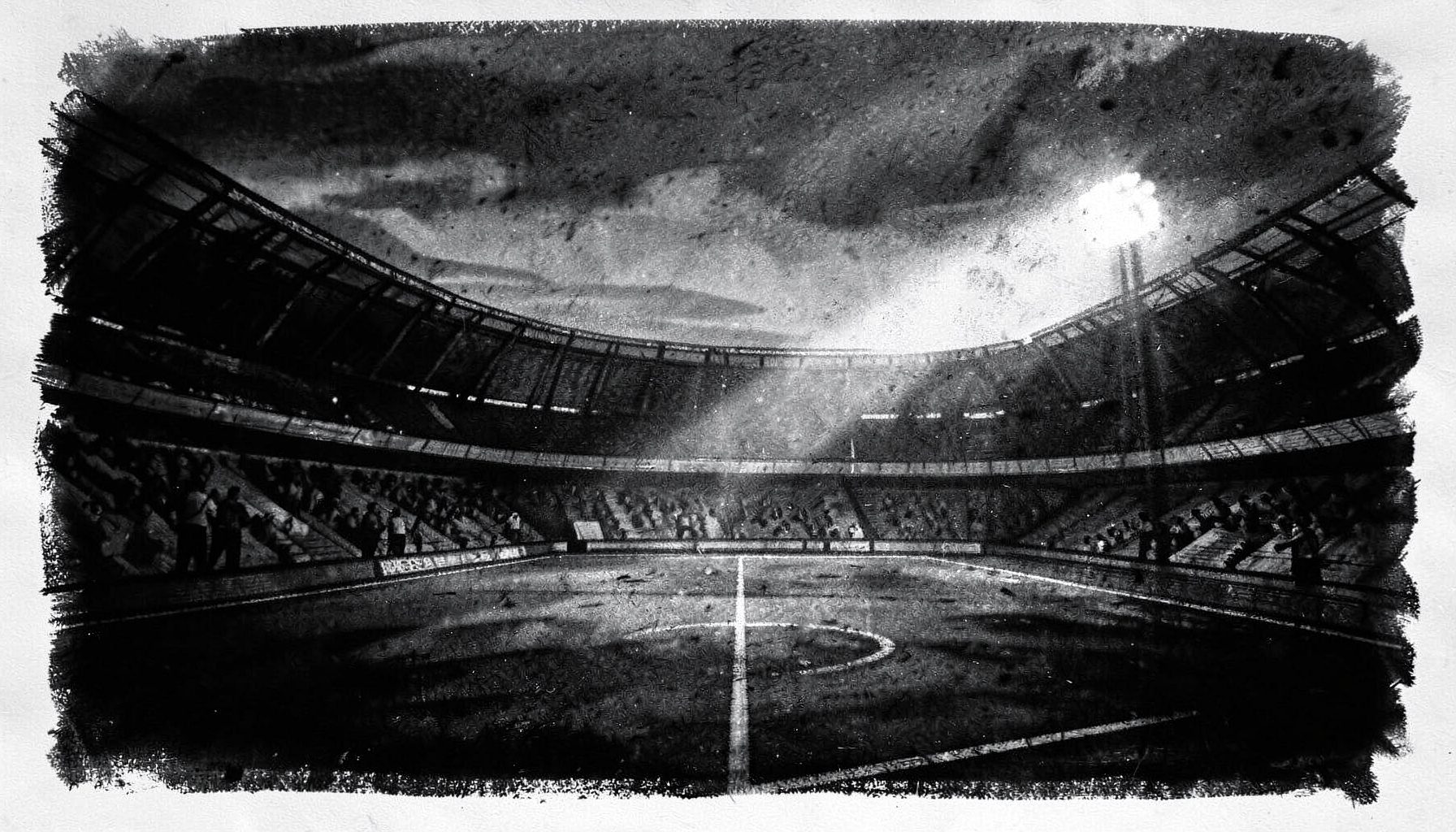
Every official in Australian sport knows that hollow second after a decision has gone out the door, when the ball is already at the other end and only the groan from the sideline remains. It might be a forward-pass call at the SCG in Sydney that no one else could see, or a missed offside at a wet suburban rugby league fixture in Brisbane's southside. Whatever the setting, the sting of a blown call is universal, and how an official handles the next sixty seconds often shapes the rest of the match.
The pressure cooker of Australian sport leaves little room for hiding. From the polished turf of the MCG to packed grandstands at Suncorp Stadium, referees and umpires operate under the gaze of coaches, parents, broadcast cameras, and players who have trained for months. Add the speed of basketball at courts in Perth, the collisions of rugby league in western Sydney, and the weight of a Saturday morning fixture where every parent seems to hold an opinion, and the conditions for an error become inevitable.
Recovering from a mistake is not about pretending it never happened. It is about managing the immediate response, leaning on the rest of the crew, and treating the lapse as part of a long apprenticeship. SAOANC has long treated mistakes as training fuel, and the routines that follow reflect how officials across the country rebuild trust with players, coaches, and themselves.
Owning the error without drowning in it
The first move after a blown call is the most important one. Officials who freeze, argue with themselves, or visibly deflate invite a wave of pressure that the rest of the crew must absorb. A short, deliberate reset works far better than a long inner monologue, and the only thing that matters from that moment on is the next possession. A useful practice is to give the brain a single neutral instruction that pulls attention back to the present, whether that is the word "reset" or a quiet count to three.
Owning the moment also means accepting the emotions that come with it. Frustration, embarrassment, and even anger are normal responses that should be acknowledged quickly rather than suppressed. A practical walk-through of this process is available at What to Do When You Make a Mistake on the Field: A Guide for Officials, and it has become a starting point for many new referees across the country.
Resetting breath and body between phases
A missed call often shows up first in the body. Shoulders tighten, breathing shallows, and the legs stop moving with the same rhythm. Australian officials who officiate back-to-back fixtures, particularly during the long winter codes of rugby league and Australian rules, learn to treat their body as a piece of equipment that needs recalibration between phases. Hydration and nutrition play a quiet role here, and the Australian Sports Commission has long stressed the link between fuelling and focus.
The reset is also a chance to tune back into the official's own voice. Whispering a self-cue, adjusting the lanyard, or simply standing tall for a second are small acts that tell the body the crisis is over. Officials who practise this between every stoppage, even when nothing has gone wrong, find that real blunders become easier to absorb when they finally arrive.
Leaning on the crew and communication
No official works alone, and the crew is the most underused safety net in officiating. After a mistake, the tendency is to retreat, but a quick eye contact with a partner, a brief chat at the next break, or a simple hand signal can steady everyone. The crew is not there to fix the previous call; it is there to share the burden of the next ten minutes.
In basketball, this support structure is built into the system itself, with crew members rotating, covering blind spots, and offering verbal cues that keep each other honest. A breakdown of how this works in practice is offered in Understanding the Mechanics of a Three-Person Crew in Basketball. Away from the court, rugby league referees use touch judges, cricket umpires lean on the third umpire, and Australian rules field umpires confer at quarter breaks.
Reviewing the tape after the sirens
The post-game window is where learning becomes permanent. Watching the footage, ideally with a trained assessor or mentor, turns a fleeting moment of regret into a structured lesson. SAOANC makes this easier by curating a library of clips and walk-throughs, and the article on How SAOANC Provides Resources for Officials to Review Game Film outlines how officials at every level can build the habit.
Filming goes beyond confirming the error. It is about understanding the angle, the timing, and the visual cue that triggered the decision. Across Australia, regional supervisors and state associations have folded film review into their accreditation pathways, and Working with Children checks and other integrity requirements sit alongside the technical ones, making tape review a professional obligation rather than an optional extra.
Facing coaches, players, and the bench
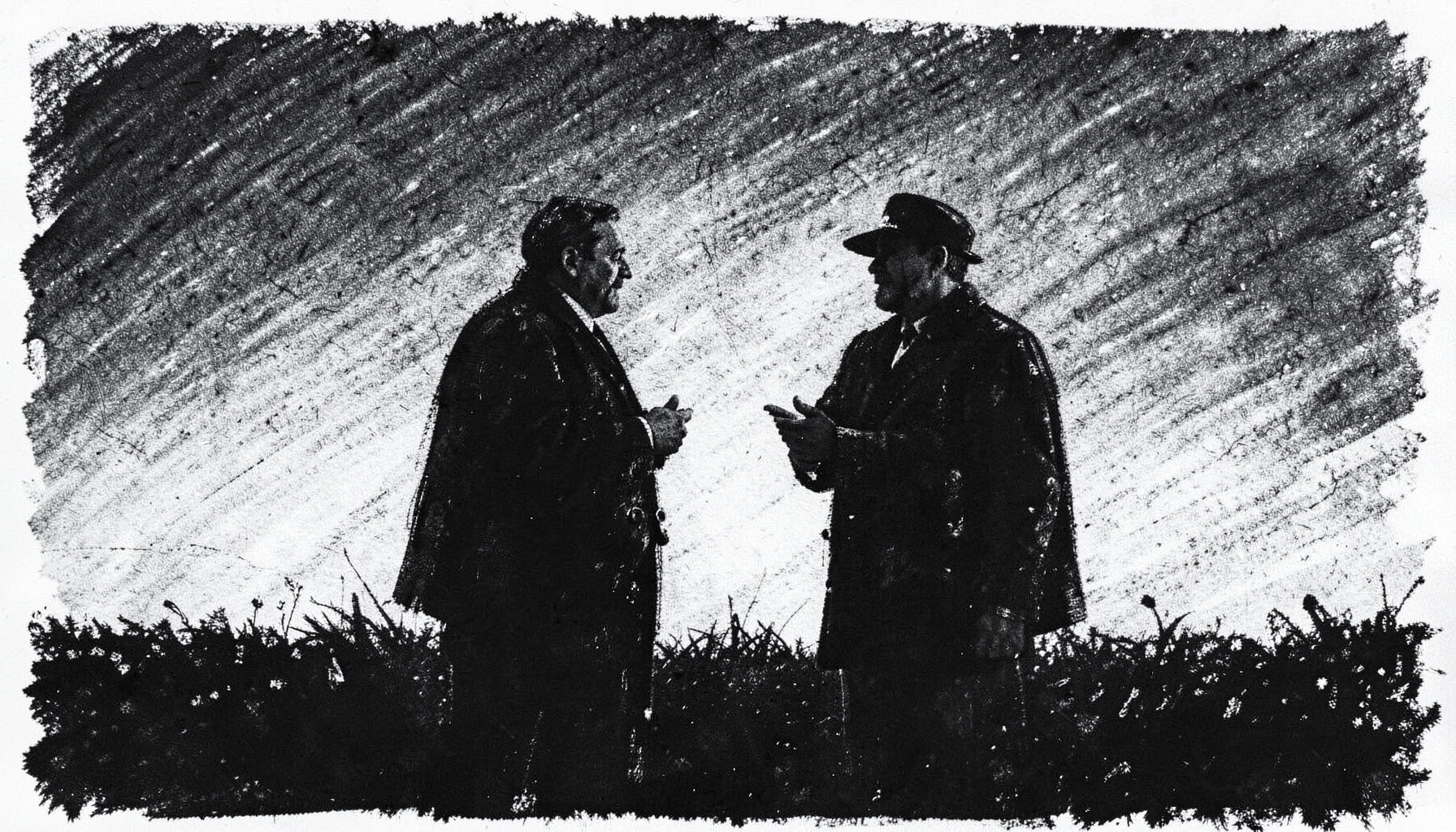
The conversation after a mistake can be the most uncomfortable of the day. A coach who wants an explanation, a captain who wants a quiet word, or a parent who wants a public apology, each of these moments tests the official's communication skills. The right response is short, calm, and professional, with a clear signal that the focus has now moved to the next phase of play.
In the NRL and AFL, where coaches are mic'd up and television cameras catch every word, the temptation to over-explain is strong. Officials who give a one-sentence response and then return to the play tend to defuse the situation faster than those who defend at length. The National Sport Integrity Framework offers a useful reference for the standards expected of officials, and most state-level associations provide de-escalation training as part of their annual cycle.
Building mental toughness between fixtures
Recovery from a mistake does not end at the changing room door. The hours and days that follow decide whether the error becomes a scar or a stepping stone. Many Australian officials keep a small notebook, a voice memo, or a chat with a mentor where they can unpack what happened without the pressure of the whistle, and this kind of structured reflection keeps the lesson intact long after the adrenaline fades.
Cross-training helps as well. An official who works both rugby league touchline duty and a basketball three-person crew develops a wider lens on positioning, communication, and reading the game. Mentorship through organisations such as the Fifteen International network connects Australian officials with peers abroad, and routine, sleep, nutrition, and time away from officiating all form the quiet backbone of mental preparation.
Learning from a career of calls
Over a long career, every official accumulates a personal catalogue of blunders. The wrong penalty, the missed offside, the misread advantage line, each one is a fingerprint of a moment in time. The officials who grow from these moments are the ones who share them, discuss them openly with peers, and use them as teaching tools for newer members of the profession.
Local referee associations from Hobart to Darwin, and from Cairns to Canberra, run regular debriefs and clinics where senior officials walk through their most memorable errors. The stories are often funny in hindsight, but they always carry a serious lesson, and a missed call in a third-grade grand final in regional Victoria can teach as much as one at a packed Docklands stadium.
Habits that turn a mistake into progress
A handful of practices, repeated often, reshape how an official responds to a blown call:
- Pause for one deliberate breath, then return to the next play without commentary.
- Use a self-cue word to mark a mental fresh start after the error.
- Make eye contact with a crew member and share the next phase of work.
- Log the moment in a notebook or voice memo the same evening.
- Watch the relevant film clip within forty-eight hours, ideally with a mentor.
- Sleep, eat, and move well in the days that follow to keep the lesson clear.
- Share the story with a junior official, because teaching is one of the best ways to learn.
A missed call is not a verdict on an official's worth. It is data, and the best officials in Australia treat it that way. The sport will keep moving, the ball will keep bouncing, and the next decision is always seconds away. What matters most is the quality of the response, the steadiness of the crew, and the willingness to review, adjust, and return. Carry the lesson, leave the regret, and the next whistle will sound a little cleaner.