What to expect during a typical SAOANC new official orientation session
Joining an officials association can feel like entering a new workplace with its own language, routines and standards. A typical SAOANC new official orientation session moves newcomers from an initial interest to a clear first step: understanding the association, the relevant sport and the habits expected on a contest floor. Expect an organised mix of registration, rule instruction, demonstrations, discussion and guidance about what comes next.
SAOANC serves member schools, officials and regional supervisors in southeastern North Carolina, so its procedures reflect that region rather than an Australian governing body. For Australian readers, the closest comparison is with development for referees in basketball, AFL or rugby league, and cricket umpires. Australian community sport is strongly shaped by volunteer-run clubs, local competitions and familiar expectations of sportsmanship, making the pathway recognisable even when the rulebook differs.
Arrival and the association pathway
Orientation commonly begins with check-in and administrative requirements. New officials may need to provide identification, complete membership or safeguarding forms, record emergency contacts and acknowledge the association’s code of conduct. Some assignments can also introduce technology, reporting or background-check requirements. These details are important because working with member schools involves more than learning how to make a decision on a ball.
Trainers and regional supervisors normally explain how the association operates. This can include the difference between classroom instruction, supervised observations and on-field assessment, as well as the responsibilities that come with each level. A new official should know who assigns contests, who evaluates performance and where concerns about safety, sportsmanship or administration are directed.
Before travelling, confirm the session date, venue, registration time and the sports being covered through the association’s official enquiry page. Orientation material may include a calendar, rule book or clothing guidance, so checking what is supplied can prevent avoidable gaps. Questions about qualifications, volunteer status or school expectations are best raised before the first session rather than during a practical drill.
Rules, mechanics and sport-specific knowledge
The classroom portion introduces the rules and mechanics expected for an official’s assignments. “Mechanics” covers movement, positioning, signals and the sequence used to handle restarts, fouls, substitutions and other routine situations. Learning the rule tells an official what happened; learning the mechanics shows how to respond safely and consistently while watching the contest.
Sport-specific knowledge is equally important. A basketball official, for example, must understand court position, illegal-screen coverage, transition, inbound administration and the proper use of hand signals. The association’s basketball information hub provides a useful starting point for members seeking schedules, resources or details about that sport.
Australian officials will recognise the emphasis on spacing, angles and clear signals, particularly in Melbourne, where basketball and football have a strong local following alongside the NBL and numerous community competitions. They should not assume, however, that a North Carolina school court, football field or baseball diamond matches an Australian venue. Court dimensions, substitution procedures, game clocks and the surrounding culture of local competitions can affect the decisions an official is expected to make.
Trainers also stress that knowledge from one sport rarely transfers without adjustment. A rugby league referee’s communication habits or an AFL umpire’s field position may help with general awareness, but an official still needs the local rule set, the expected signals and the association’s preferred methods. Experienced supervisors use examples from actual contests because small differences in possession, boundary lines or restart rules can change the appropriate response.
Learning by demonstration and review
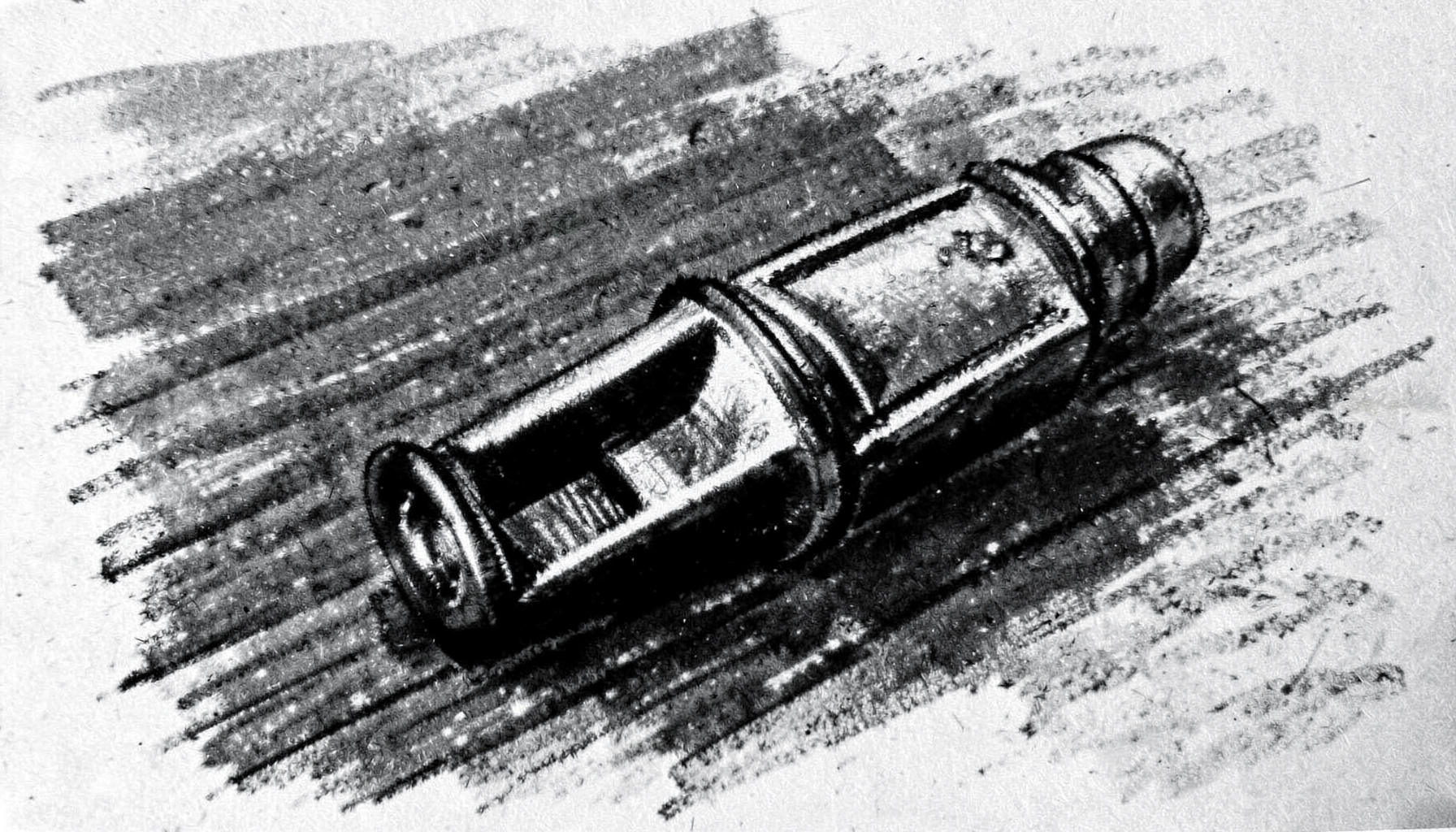
Practical instruction usually forms a major part of orientation. After a short explanation, officials may be asked to demonstrate a signal, take a position, use a whistle, communicate with another official or work through a short game scenario. Trainers often stress repeatable habits: where to stand, where to look, when to move and how to give a decision without becoming distracted by the crowd or surrounding noise.
Video can make those habits easier to understand. A session might pause an action, compare the ideal angle with the recorded view, or discuss why an official and a coach interpreted the same play differently. This resembles the review culture familiar to Australian cricket and rugby league, where consistency is examined after a decision. The aim is not to copy another sport’s system, but to develop an evidence-based routine for reviewing one’s own officiating.
A welcoming explanation matters when the terminology is unfamiliar. The value of a beginner-friendly demonstration can be seen in parent-child judo workshops, where a simple movement is shown before participants attempt a technical sequence. SAOANC trainers use a similar principle: demonstrate one action, repeat it, then let the new official perform it with immediate feedback.
Communication and professional conduct are reviewed alongside playing decisions. This includes using respectful language with coaches, players and volunteers, managing disagreements, reporting incidents and understanding when to ask a supervisor for assistance. Officials are expected to remain calm while still applying the rule consistently. Orientation often treats those qualities as essential skills rather than optional personality traits.
A practical preparation checklist
Because SAOANC operates in North Carolina while many readers are based in Australia, check the supplied calendar rather than relying on seasonal assumptions. Australian summer begins in December, while many school sports occupy North Carolina’s winter months. Temperatures are also given in Celsius, and Sydney traffic or a wet drive in Brisbane can easily turn an early meeting into a late arrival.
A first list helps with preparation before the session:
- Confirm the registration time, venue, parking details and documents required.
- Review basic terminology and the rules for the sport being introduced.
- Pack court or field shoes, comfortable clothing, a water bottle and any required equipment.
- Note questions about mechanics, communication, assignments or assessment.
A second list keeps the orientation itself productive:
- Arrive 15 to 20 minutes early to complete check-in without disturbing the opening.
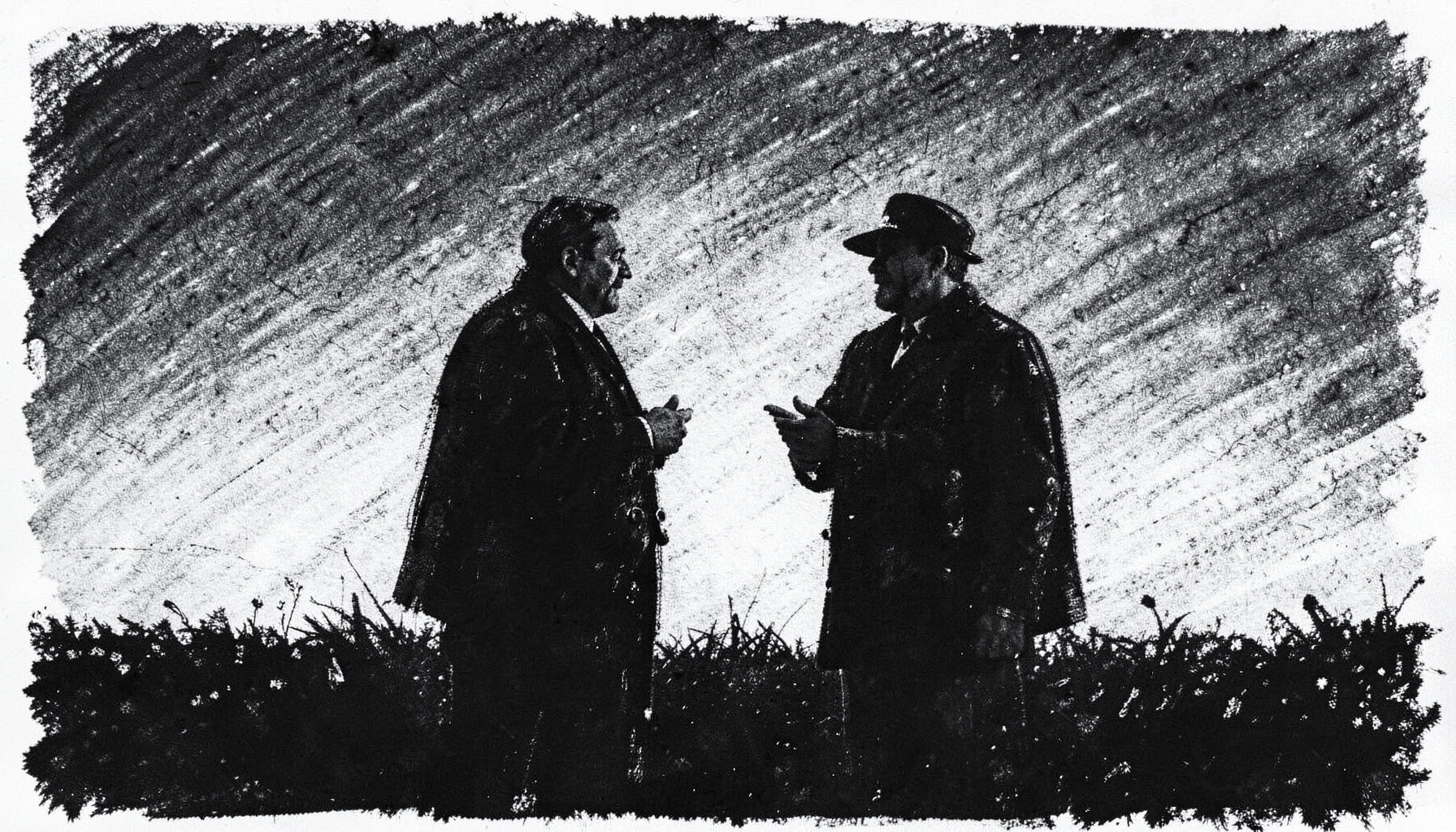
- Introduce yourself to the trainer, mentor or supervisor leading the group.
- Record each correction as a short action, such as adjusting position or simplifying a signal.
- Confirm the next stage, including observation dates, training modules and communication channels.
Australian training-day customs can make the pace feel familiar. Participants commonly bring their own drink, and morning tea may be provided during a long session, although SAOANC’s arrangements should always be checked. General fitness and wellness guidance can support preparation for the physical demands of officiating, but association drills remain the best guide to movement, footwear and workload. Referees coming from humid Brisbane competitions may need particular attention to hydration and recovery between sessions.
Moving from orientation to regular assignments
One orientation does not usually complete an official’s development. Many participants move through observations, supervised games, additional clinics, evaluations or sport-specific assessments before receiving regular assignments. The order depends on the sport, experience level and school requirements. New officials are often paired with a mentor whose role is to observe decision-making, provide practical feedback and answer questions after a contest.
The association’s calendars, news updates, photographs and downloadable resources help officials remain connected with training opportunities and seasonal expectations. In Australia, the equivalent path is familiar: local clubs in Melbourne, Sydney, Brisbane and Canberra often depend on volunteer referees and umpires who progress through internal training and match observations. The terminology and governing documents differ, but both systems rely on regular practice, accurate records and constructive supervision.
Your practical takeaway is to treat orientation as the baseline for a repeatable routine. Learn one rule, one signal and one positioning habit at a time, record the feedback received, and revisit them during the next assignment. Consistent repetition, supported by a supervisor’s observations, is what turns a first-day explanation into reliable on-field performance.