
What to wear and bring to a SAOANC training clinic
A training clinic is part classroom, part practical workshop and, in many cases, part conversation with experienced officials. The right clothing and equipment help you move comfortably, take useful notes and present yourself as someone ready to learn the craft of officiating.
For Australian readers, the setting may feel familiar even though the terminology and procedures can differ from local competitions. Think of the preparation used for a community footy, netball or basketball appointment: arrive early, check the conditions, carry reliable basics and be ready to move from discussion to live drills.
SAOANC clinics may cover rules, mechanics, positioning, signals, game management and professional standards. Requirements can vary by sport and venue, so any official clinic notice should take priority. The following checklist provides a sensible starting point for prospective and current officials attending in southeastern North Carolina.
Choose comfortable, professional clothing
Wear clean athletic clothing that allows a full range of movement. A polo shirt, breathable training top or plain sports shirt with shorts or lightweight track pants is usually appropriate for practical sessions. Avoid clothing with large slogans, political messages or distracting graphics, particularly if photographs or demonstrations are part of the day.
Your clothes should look presentable without making you feel overdressed. A neat collared shirt and chinos may suit a classroom-only session, while a moisture-wicking top and training shorts are more useful when officials will practise signals, positioning or court movement. In Australia, this is the difference between dressing for a rules meeting and dressing for a Saturday morning at a local club.
Wear supportive sports shoes suited to the surface. Indoor court shoes are preferable for basketball or volleyball facilities, while stable trainers may be suitable for outdoor work. Do not arrive in worn-out runners, sandals or casual thongs if practical movement is expected.
Prepare for changing conditions
Southeastern North Carolina can be warm and humid, with sudden rain or strong sun affecting outdoor activities. Light, breathable layers are useful, and a spare shirt can make the trip home more comfortable after field drills. A cap, sunscreen and a compact rain jacket may also be sensible when the schedule includes outdoor instruction.
Australian officials will recognise the need to prepare for conditions that can shift quickly, whether that means a hot Brisbane afternoon, a cool Melbourne morning or a wet coastal venue. The local phrase “bring a jumper, just in case” has practical value, even when the forecast looks favourable. Check the venue and forecast before leaving rather than relying on a single outfit.
Pack a small towel, water bottle and any required medication. Hydration matters during long sessions, and a reusable bottle is easier to manage than relying on a vending machine. If the clinic is held in a school or community complex, food options may be limited, so a simple snack can prevent an avoidable drop in concentration.
Bring the right officiating gear
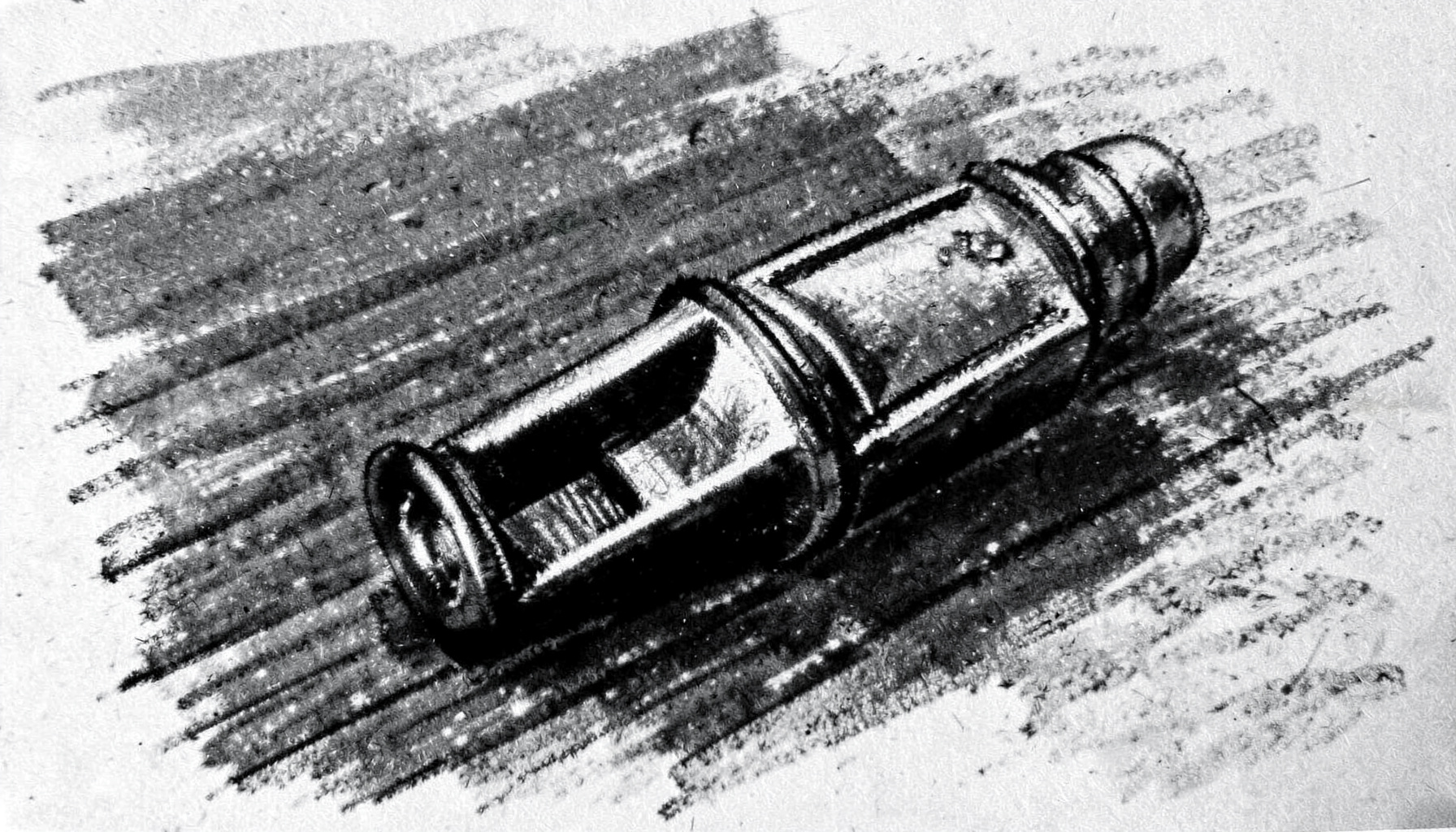
The equipment required will depend on the sport, but most officials benefit from a compact personal kit. A whistle, lanyard, stopwatch or timing device, notebook and pens are useful starting points. Some sports may require a flag, scorekeeping materials, approved footwear or other position-specific items.
Keep your gear in a small backpack or organised sports bag instead of carrying loose items. Label the bag and charge electronic devices before the clinic. A phone can help with schedules, digital rulebooks and note-taking, but it should remain on silent during instruction.
A practical clinic kit includes:
- Water bottle, small towel and weather-appropriate layer
- Notebook, pens and a charged phone
- Whistle, lanyard and stopwatch where relevant
- Personal medication, snacks and sunscreen
- Spare shirt or socks for practical work
Do not assume that equipment supplied at a game will be available at training. Ask the clinic contact whether officials should bring a uniform shirt, particular rulebook or sport-specific kit. Bringing a little more organisation is preferable to discovering that the one item needed for a drill has been left at home.
Use the clinic to build confidence
New officials should expect to learn through observation, repetition and feedback. A clinic is a good place to ask about signals, positioning, communication and decision-making without the pressure of a live contest. Write down examples that clarify the difference between knowing a rule and applying it at speed.
Mentoring can make that learning process easier after the clinic as well. SAOANC’s mentor program for new referees is relevant for officials who want guidance as they move from training exercises into appointments. A mentor can help translate general instruction into practical habits, such as where to stand, when to move and how to communicate with partners.
Australian sporting culture often uses relaxed language, but officials still need to communicate clearly and respectfully. “No worries” can keep a conversation friendly, yet a signal or instruction during play must be precise. Listen carefully to clinic leaders and practise using the terminology expected in the relevant association.
Bring questions and learning materials
A printed or digital rulebook is valuable when the clinic discusses interpretations or case plays. Add a folder for handouts, policy notes and appointment information. If you use a tablet, bring a charger or power bank, and download any documents before arriving in case the venue has unreliable internet access.
Prepare a short list of questions before the session. Useful topics may include uniform standards, conflict management, reporting procedures, game fees, travel expectations and how assessments are conducted. Specific questions usually lead to better answers than a general request to explain everything.
Reviewing related officiating material can also broaden your understanding of discipline, movement and formal instruction. For example, resources such as judo officiating guidance may be useful for anyone interested in how another sport structures technical roles, even though its rules and equipment are different. Use outside material as background, while treating SAOANC instructions as the authority for its competitions.
Dress for the sport and venue
Different sports call for different details. A basketball official may need a polished officiating uniform and indoor shoes, while a football official may require weather-resistant layers, appropriate boots and a whistle. A baseball or softball clinic could involve outdoor movement, sun exposure and equipment-specific demonstrations.
If you are uncertain, contact the organiser before the day. Ask whether the session is classroom-based, practical or both; whether a uniform is required; and whether changing rooms are available. This is especially important for visitors travelling from another region or staying overnight.
The commercial side of officiating also varies between markets. In Australia, officials may buy uniforms through an association shop, local sporting retailer or online supplier, while some clubs provide limited equipment. SAOANC members should check the organisation’s current instructions before purchasing a full kit. Avoid buying expensive specialist items until you know the required brand, colour and approval standard.
Plan the journey and arrival
Arrive early enough to park, register, find the room and change shoes without rushing. Ten to fifteen minutes may be enough for a familiar venue, but allow more time if the site is a school campus or multi-building sports complex. Save the address and organiser’s contact number offline in case mobile coverage is poor.
Carry identification, registration details and any membership information requested in the clinic notice. A small amount of cash may help with parking, refreshments or merchandise, although many venues now prefer card or mobile payment. Australian visitors should also confirm currency, payment arrangements and travel documents before crossing borders for a United States clinic.
It can be useful to understand who guides the association’s programmes and standards. The SAOANC board of directors page provides a point of reference for the organisation’s leadership and helps place clinic information within the wider association structure. Keep official contact details with your registration records rather than relying on social media posts alone.
Make the clinic day easy
Before leaving, check the schedule, venue instructions, weather and sport-specific requirements. Lay out your clothing the night before, charge your phone, fill your water bottle and place your notebook and equipment by the door. This simple routine prevents small oversights from becoming distractions.
During the clinic, stay attentive, participate in practical exercises and record advice in your own words. Afterward, organise your notes while the demonstrations are still fresh and keep your equipment ready for the next appointment.
The practical takeaway is simple: wear clean, flexible sports clothing, choose safe footwear, prepare for North Carolina weather, carry essential officiating tools and arrive ready to learn.