Why practicing your signals in a mirror improves game-day clarity
An official’s signal is often made in the worst possible conditions: players are still moving, a coach is asking for an answer, and a crowd is rising around a disputed decision. A mirror creates a controlled version of that moment. It lets you see whether your hand shape, wrist angle, timing and body position communicate the ruling you intend.
Mirror practice gives immediate visual feedback without waiting for the next game. It is valuable to officials in North Carolina, but the method travels well to Australian sport, from a packed suburban basketball court in Melbourne to a Sydney rugby league ground. In each setting, clarity matters because players and colleagues must read the decision under pressure.
A mirror reveals what instruction alone can hide
Coaching cues such as “raise your hand sharply” sound simple, yet they leave important details unstated. In front of a mirror, a missed palm orientation, weak finger closure or bent elbow becomes obvious. That feedback is more useful than vague confidence because the official can correct one visible fault before repeating the action.
Watching the movement also reveals whether the signal looks decisive from the officials’ side of the play. An action that feels powerful from behind the official may appear small to a player 20 metres away. Turning toward the relevant player while keeping the signal crisp gives the ruling a clearer line of sight.
Clarity also protects communication with assistants and scorers. A quick glance, verbal call and standard signal form a compact system that can pass through a noisy ground without long explanation. At a Melbourne community basketball venue, where substitutes crowd close to the baseline, that readable sequence can prevent the next possession beginning on confusion.
Turn correct form into an automatic response
Repetition creates motor memory, but only when the official knows what to repeat. A mirror supplies that reference by showing the difference between a deliberate signal and a hurried approximation. The hand reaches the correct position, stays there long enough to be read and returns to a neutral stance without changing the meaning of the ruling.
Repetition works best when it includes feedback. Some officials film a rehearsal for another visual angle, while others work in front of a partner who asks, “What did that mean?” Officials seeking broader development ideas can also compare wider training resources with guidance from their local referee or umpiring association.
A useful routine is to rehearse the action slowly, perform it at game speed and explain the ruling aloud. If the hand shape is clear but the verbal explanation is weak, the drill has identified a specific gap. That is more productive than simply repeating every action until the sequence feels comfortable.
Train for the conditions around the decision
For an official using a flag, object mechanics matter before the hand signal appears. The association’s guide to throwing a flag correctly demonstrates how grip, placement and a sharp motion prevent a weak toss or distracting spin. The same principle applies to other equipment: it should make the decision visible rather than compete with it.
Once the ruling is made, the signal needs to travel. The official should finish positioning, secure visual attention and deliver the call without blocking the view of players or assistants. A short, spoken explanation can accompany the gesture when the ruling is serious or disputed, but the standard signal should remain the first layer of communication.
Pressure changes what an official notices. Heat, humid conditions and long regional journeys can make a familiar signal feel unfamiliar. In Brisbane, for example, an official working several outdoor fixtures in one weekend may move between markedly different lighting and pace. Rehearsing from a relaxed stance helps preserve the same visible action even when fatigue sets in.
Connect each signal to a consistent verbal call
A signal without a verbal call can leave uncertainty about the precise ruling. Players may recognise that something has been called while remaining unsure whether it was a block, a charge, a foul or a timing violation. The gesture should therefore be paired with a concise spoken phrase whenever the distinction matters.
SAOANC’s explanation of block-charge misconceptions illustrates why accurate communication depends on more than recognising a gesture. The official’s position, the player’s path and the direction of force determine the call. A clear signal confirms the decision, while the verbal call identifies its legal basis.
Australian basketball, netball, hockey and rugby use different ruling systems, but the communication principle remains consistent. An umpire who says “charging player” while giving the agreed obstruction signal provides both outcome and reason. Teammates can then communicate the same ruling accurately to players who are further from the official.
Use drills that resemble Australian match days
A mirror exercise becomes more useful when it recreates the surrounding distractions. An official might rehearse a basketball call while counting passes, call an Australian rules decision while scanning a crowded playing area, or deliver a rugby league signal while a colleague calls an unrelated instruction. The drill should test recognition as well as technique.
The location also matters. A community competition in a regional Australian town may involve one official covering several codes, a basic scorer’s table and uneven match timing. Training associations and accredited providers across Australia can help officials learn the differences, while sports retailers supply the whistles, cards, flags and uniform items used in local competitions.
Scenarios should progress from quiet rehearsal to realistic pressure. Start with one ruling and one signal, then add movement, noise and a visual obstruction. Record whether the signal remains readable at normal pace. The aim is not to make every code look identical, but to build a reliable process that can be adapted to each sport’s established system.
Carry signal discipline into the written record
The clearest signal on court does not replace accurate documentation. If an injury, collision or equipment failure occurs, an official’s report may be reviewed by an association, insurer or club. The record should identify what happened without adding speculation, and it should match the ruling communicated during the game.
Its guidance on game reports for insurance covers the factual details that belong in such a report. Australian community clubs may also need incident documentation for public liability, workers’ compensation or league administration. Recording the time, players involved, nature of the incident and immediate action taken supports those local processes.
Documentation can become part of the same mirror routine. After rehearsing a difficult decision, the official writes a brief factual account while the sequence remains fresh. This builds a habit of observing accurately and communicating clearly. It also protects the official by creating a consistent record rather than relying on memory after a disputed event.
Build a mirror routine you can use every week
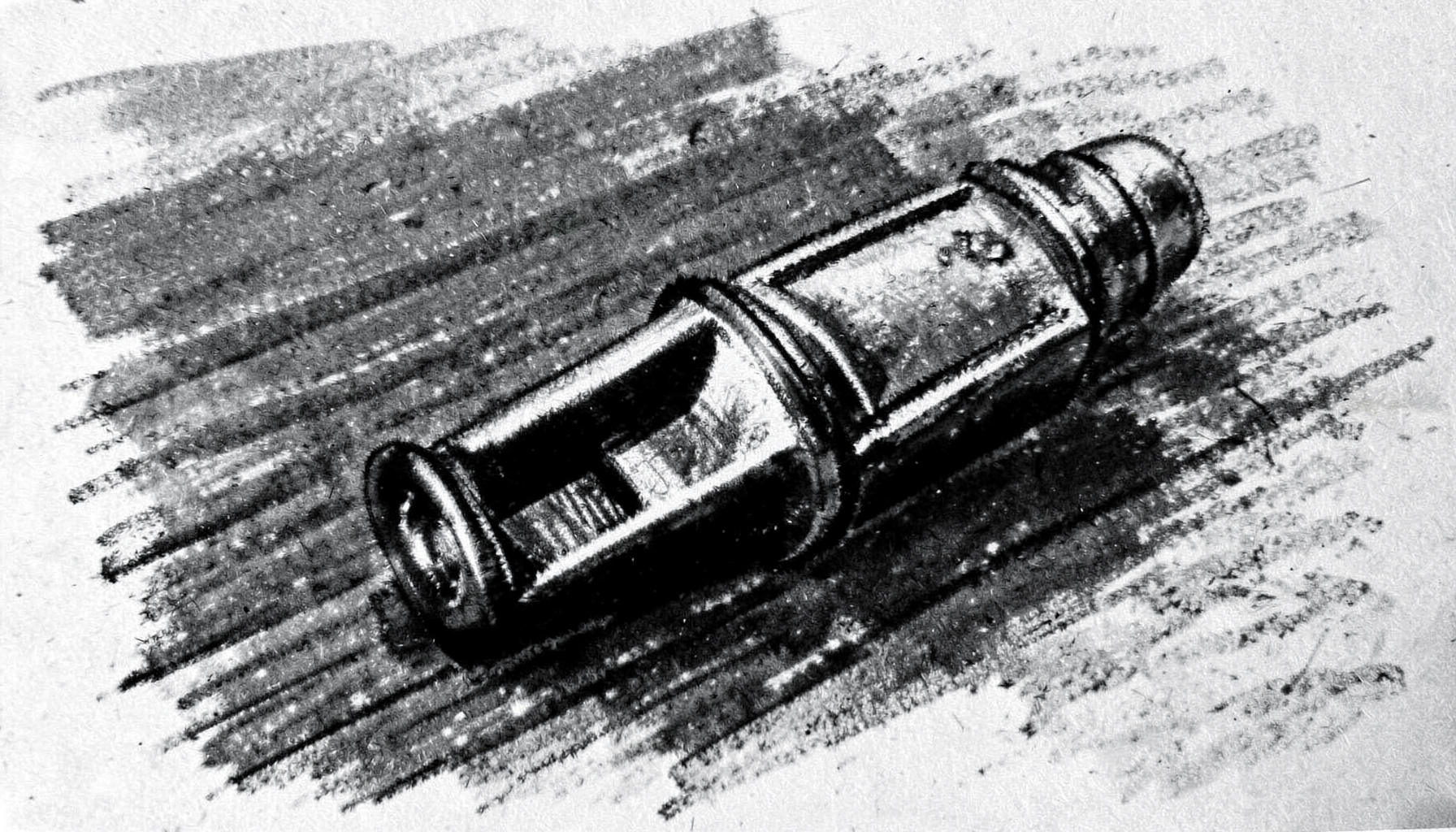
The routine works best when it is short enough to repeat and specific enough to measure. Use a full-length mirror in a clear, well-lit space, wear the normal officiating footwear and keep the whistle, flag or cards within reach. Start with these actions:
- Stand in the position you would normally use when making the ruling.
- Perform each signal slowly and check hand shape, wrist angle and elbow placement.
- Add the short verbal call that accompanies the decision.
- Repeat the action from slightly different stances to test your balance.
- Finish with the full sequence at game speed and return to a neutral posture.
On match day, reduce the session rather than abandoning it. A brief review before arrival can reinforce the signals you are most likely to use:
- Rehearse the two calls that caused difficulty on your last assignment.
- Confirm the whistle, flag, cards and uniform are ready.
- Visualise the sequence of positioning, decision, signal and spoken call.
- Check that the signal can be seen from the players’ side of the playing area.
- Take several controlled breaths before entering the match environment.
The final review should be calm and mechanical. Attention should settle on hand position, eye line and the order of the communication, not on proving confidence. Consistent movement then becomes easier to reproduce when the contest, crowd and weather create pressure.
Place the mirror beside your training bag tonight, complete the five-minute sequence once, and repeat it before your next assignment.