
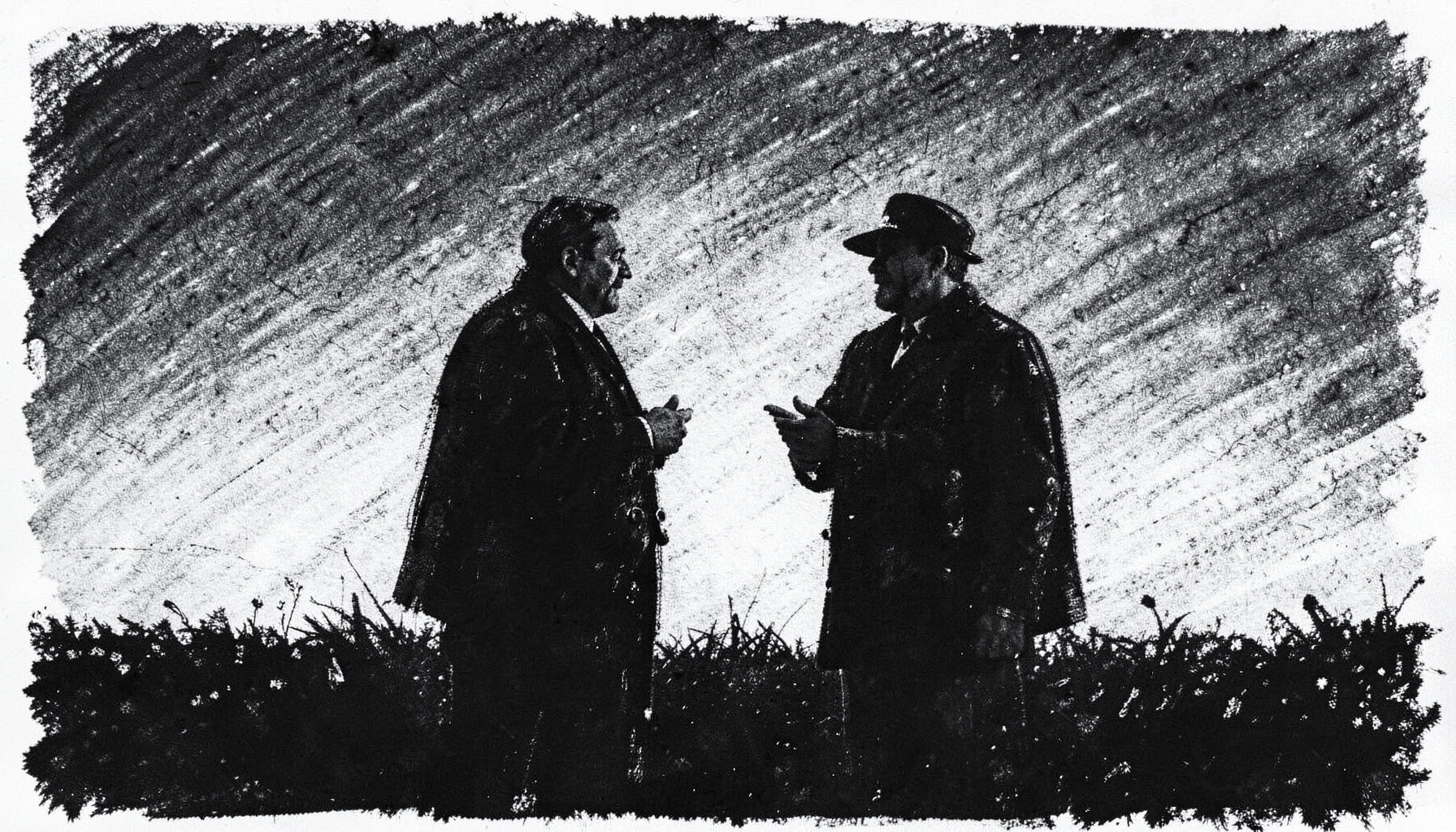
Building Trust with Coaches Before the Opening Whistle
A strong working relationship between an official and a coach begins before players take the field or step onto the court. The minutes before a game offer a valuable chance to establish a calm, respectful tone, clarify practical details and show that the contest will be managed with consistency.
Rapport does not mean becoming overly familiar or giving a team special treatment. It means creating professional trust. Coaches should feel that an official is approachable, prepared and willing to communicate, while the official must remain neutral and ready to make independent decisions.
This matters across community, school and representative sport. In Australia, a referee may move from a Saturday basketball fixture in Brisbane to a wet winter match in Melbourne, while a local official in Sydney may work with coaches who have very different levels of experience. Each setting calls for the same foundation: courtesy, clarity and composure.
The Southeastern Athletic Officials Association supports officials across regional schools and multiple sports, making these habits relevant well beyond one competition. Whether the game is basketball, football or another school sport, a few thoughtful exchanges before play can prevent tension later.
Arrive Prepared and Present
Arriving early is one of the simplest ways to build credibility. Allow enough time to find the venue, check the playing area, inspect equipment and review the appointment. Rushing through the gate seconds before tip-off or kick-off can make even a capable official appear distracted.
Preparation also includes understanding the competition’s rules and local procedures. Officials who regularly work across different sports can review the association’s guide to regional sports to refresh the distinct expectations around equipment, conduct and game administration.
When meeting a coach, make eye contact, offer a brief greeting and use their name if you know it. A simple “Good afternoon, Coach” communicates recognition without inviting an informal conversation that could compromise impartiality.
Use a Brief Pre-Game Check-In
A pre-game conversation should be short, practical and consistent. Introduce yourself, confirm the coach’s name and identify any relevant information, such as team colours, expected substitutions, accessibility needs or a competition-specific requirement.
Avoid discussing controversial decisions from a previous match, predicted results or individual athletes. Those subjects can create defensiveness before the game has begun. The aim is to establish communication channels, not to debate past calls or signal how every possible incident will be interpreted.
A useful opening might be: “I’ll keep communication clear during the match. If you need to raise a genuine administrative issue, please do so at an appropriate break.” This sets a respectful boundary while showing that the coach will not be ignored.
Demonstrate Consistency Without Sounding Rigid
Coaches value officials who apply standards evenly. Briefly explain how you will handle substitutions, time-outs, technical concerns, injury stoppages or questions about the score. The details will vary by sport, yet the underlying message remains the same: decisions will be based on what happens during the contest.
For basketball officials, reviewing resources about basketball officiating can reinforce the importance of court positioning, communication and shared responsibility among the officiating crew. A coach does not need a lecture on every rule; they need confidence that the crew understands its roles.
Use plain language rather than excessive technical terminology. “Please keep questions to the nearest official during a live-ball situation” is easier to follow than a long explanation of mechanics. A measured voice and relaxed posture will often communicate confidence more effectively than a detailed speech.
Respect the Local Sporting Environment
Rapport improves when an official recognises the practical realities of the venue. Australian community sport often relies on volunteers, shared facilities and tight schedules. A coach may have driven from Geelong to a regional fixture, organised uniforms after work or managed a junior team without an assistant. A little patience with ordinary logistics can prevent unnecessary friction.
Weather and surface conditions deserve attention as well. Heat in Perth, sudden storms around Brisbane or cold, wet evenings in Hobart can affect player safety, equipment and timing. In outdoor sport, ask whether the venue has a known drainage issue or a local extreme-weather procedure, then apply the competition policy rather than making an improvised promise.
Equipment sponsors and local businesses are also part of the sporting landscape. A regional team may use gear supplied by a community retailer or travel in a vehicle arranged through a local dealership such as Ash Walsh Motorsport. These details are not a reason for special treatment, but they remind officials that sport operates within a wider community network.
Small Behaviours That Build Trust
- Greet both coaches with the same level of courtesy and attention.
- Check pronunciation of names rather than guessing.
- Acknowledge practical information without offering an opinion on team performance.
- Keep private coach conversations away from players, parents and spectators.
- Follow the same pre-game routine at junior, school and senior fixtures.
Manage Difficult Conversations Early
A coach may approach with a concern before the game has started: a damaged ring, an unclear fixture time, an absent scorer or a disagreement about uniforms. Listen without interrupting, repeat the practical issue to confirm you understand it and explain what can be resolved immediately.
If the matter falls outside your authority, say so clearly. “I cannot change that competition ruling, but I can record the concern and direct it to the match supervisor” is more useful than pretending to have control. Honest limits preserve trust, especially when the coach may be frustrated.
The same approach applies to paperwork. Accurate documentation can matter when an incident involves injury, discipline or insurance. Officials can review guidance on game report details so that administrative expectations are clear before a difficult match occurs.
Phrases That Keep Communication Professional
- “I’ve heard your concern, and I’ll deal with the immediate safety issue first.”
- “Please raise that during the next appropriate stoppage.”
- “That decision is based on what I observed from my position.”
- “I can explain the process, but I cannot promise a particular outcome.”
- “Let’s keep the discussion focused on the next phase of play.”
Keep Boundaries Clear and Human
Being friendly does not require extended conversation. Officials should avoid private joking, social media discussions about teams, comments on player ability or any suggestion that a coach can influence decisions through personal contact. Consistent boundaries protect everyone and make impartiality visible.
This is especially important in smaller communities, where coaches, officials and families may know one another outside sport. A polite greeting at a local café or school fundraiser is entirely different from allowing an informal relationship to shape match-day communication. Treat every team with the same public professionalism.
Officials can also learn from sporting communities outside their usual code. Information about joining an archery club shows how clubs often depend on welcoming newcomers, clear expectations and responsible participation. Those principles transfer well to officiating: people respond positively when they know what is expected and feel they will be treated fairly.
Finish the Exchange With a Shared Understanding
Just before players begin warm-ups or the formal inspection, confirm any important arrangements. Check that both coaches know where to direct questions, that the scorer or timekeeper is ready and that unusual venue issues have been addressed. A final, even-handed check reduces preventable interruptions.
Then step away and focus on the officiating task. Rapport has been established; it does not need to be maintained through constant conversation. Coaches should see that the official is accessible when necessary but concentrated on player safety, rule application and match control.
After the game, a brief acknowledgment can close the interaction well. Thank the coach for their cooperation, identify any required administrative follow-up and avoid lengthy analysis while emotions are high. If a report is needed, complete it promptly and factually, using observable details rather than conclusions about motives.
A reliable pre-game routine might look like this:
- Arrive early enough to inspect the venue and equipment.
- Greet both coaches equally and confirm key administrative details.
- State how questions, substitutions and safety concerns should be raised.
- Listen to legitimate issues without debating hypothetical decisions.
- Complete the post-game record while details remain fresh.
The best rapport is quiet, repeatable and fair. It gives coaches confidence that communication will be respectful, while giving officials the space to make firm decisions when the match becomes intense. Before the next appointment, write a three-line pre-game routine covering greeting, practical checks and communication boundaries, then use it consistently.