Resolving Different Calls Between Two Sports Officials
When two officials signal different decisions, the contest can change in seconds. Players may stop, continue, appeal, or react emotionally, while coaches and spectators look for an explanation. The strongest response is calm, deliberate, and based on the officials’ established responsibilities rather than on who spoke first or who appears most confident. Learn more about Vpcandorra.com.
This situation can occur in gridiron, soccer, Australian rules, basketball, and other team sports, although the mechanics differ. For officials working through a regional association, a shared pre-game plan and respectful communication provide the foundation for handling an apparent disagreement without losing control of the match.
Recognise the difference between disagreement and information
Two calls are not always competing decisions. One official may signal a foul while another signals that play should continue because they saw a different phase, location, or player action. In other cases, one signal is an initial ruling and the second official is adding information about possession, timing, or advantage.
Officials should first identify whether the signals truly conflict. A whistle for a late challenge and a separate signal for the correct restart may fit together. A penalty and a no-play signal may not. Taking a brief pause to interpret what each colleague actually saw is safer than immediately treating the moment as a personal dispute.
This matters in fast Australian conditions, whether the match is played on a wet oval in Melbourne, under heat in Brisbane, or on a windy community ground near Perth. Noise, glare, and distance can make a clear signal look more dramatic than it is.
Protect the decision-making hierarchy
Every officiating crew needs a recognised decision-maker for situations that require one final ruling. Depending on the sport, that may be the referee, crew chief, head umpire, or an official with responsibility for a specific phase. The hierarchy should be discussed before the opening whistle, not invented after a controversial incident.
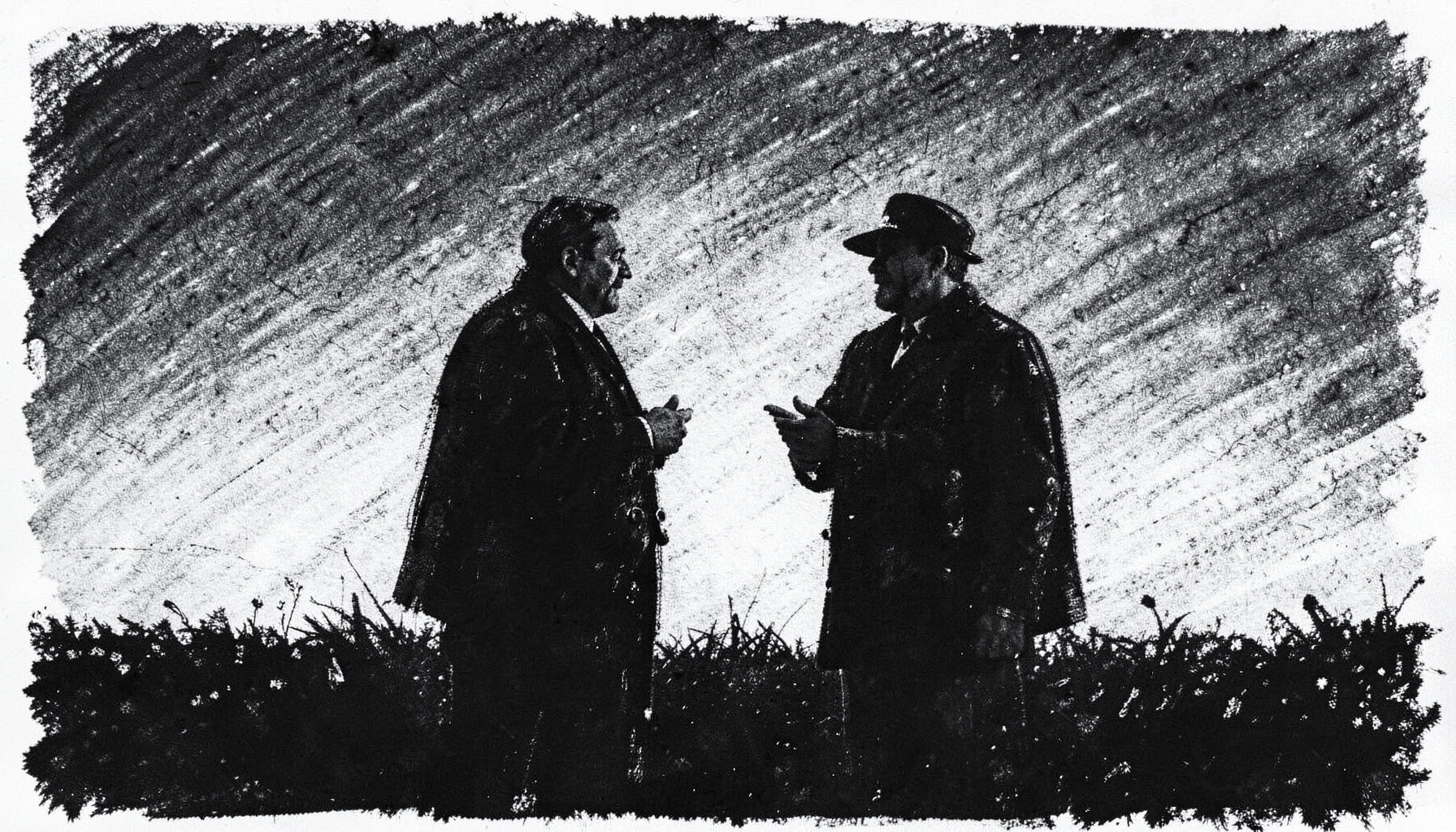
The lead official should gather concise information from the colleague with the best angle. A useful exchange is brief: “What did you see?” followed by “Where was the contact?” or “Did the ball cross the line?” The aim is to establish facts, not to ask who was right in front of players.
In Australian sporting language, “no worries” can help keep the tone relaxed, but it should not replace precision. A calm “I have the final decision; thank you” closes the discussion while showing that the second official’s observation was valued.
Use a consistent process at the moment
A reliable process prevents mixed signals from becoming a public argument. Officials should stop play when the conflict affects safety, possession, scoring, or the restart. They can then move together, speak quietly, and agree on the decision before addressing the players.
The following sequence works across many codes:
- Stop unnecessary movement and secure the immediate situation.
- Identify which official had the clearest view of the incident.
- State the observed facts without blame or speculation.
- Apply the pre-game division of responsibilities.
- Give one clear signal and a short explanation where permitted.
- Restart only after players understand what happens next.
Body language is part of the ruling. Officials who point in opposite directions, continue debating, or look uncertain invite further challenges. The final signal should be visible, decisive, and consistent with the verbal explanation. A player does not need a lengthy courtroom-style account; they need to know the decision and restart.
Communicate without embarrassing a colleague
Publicly correcting another official can damage the crew’s credibility and make future calls harder. Even when one official has clearly misread the play, the discussion should occur away from players and coaches whenever possible. A private correction protects working relationships and keeps the focus on the match.
Use observation-based language rather than accusations. “I had the defender’s hand on the shoulder” is more useful than “You missed the foul.” If the lead official changes the decision, the explanation can remain simple: “We have reviewed the information and the restart is a free kick.”
The same principle applies when speaking with a coach. A coach may ask why the crew changed direction or reversed a call. The official can explain that the crew consulted and reached one ruling, without naming or blaming a colleague. This approach is especially useful at local grounds where officials, coaches, and families may see one another every weekend.
Apply safety and fairness before pride
A disputed call is less important than preventing escalation. If players are surrounding an official, tempers are rising, or an injured player is involved, deal with safety first. Separate participants, call for appropriate support, and delay the technical discussion until the field is settled.
Officials should also be aware of fatigue. Long summer tournaments, travel between regional venues, and back-to-back appointments can reduce concentration. Basic preparation, hydration, and suitable recovery habits help preserve judgement; a practical health resource can complement, but never replace, official medical guidance.
A decision should be corrected when the evidence shows that correction is necessary, not because a crowd becomes louder. Changing a call for pressure weakens fairness. Refusing to correct an obvious error simply to protect pride does the same. The standard is an accurate, defensible decision made through the agreed crew process.
Review the incident after the match
Post-match review should be factual and specific. The crew can discuss the original angle, the timing of the signals, the communication used, and whether the restart was clear. It is more productive to identify one improvement for the next appointment than to replay the argument emotionally.
Video can help when it is available, but footage should be used carefully. A camera angle may omit depth, speed, or contact that was visible from the official’s position. Review is for learning, not for creating a tribunal against a colleague. Training clips, association videos, and supervised development sessions are often more useful than isolated social-media reactions.
An equipment check can also reveal preventable problems. Officials should confirm that whistles, flags, watches, communication devices, and clothing are ready before the season, using guidance such as football officiating equipment. Reliable equipment cannot settle a disagreement, but poor preparation can make a difficult moment worse.
Build agreement before the opening whistle
The best way to handle conflicting calls is to reduce uncertainty before play begins. A pre-game conference should cover signals, eye contact, responsibilities, substitutions, advantage, scoring decisions, clock management, and the procedure for reversing or confirming a ruling.
A short crew checklist is especially valuable for officials working across different competitions. Rules and expectations may vary between a school fixture in North Carolina, an amateur match in Sydney, and a community game in regional Queensland. Officials should know which code’s laws apply and which local competition regulations modify them.
Before each appointment, confirm:
- Who has final authority in each common incident.
- Which official watches the ball, contact, boundary, or offside line.
- What signal means “hold” while information is being gathered.
- How officials will communicate when crowd noise is high.
- When a supervisor, match manager, or medical professional should be involved.
A strong crew does not need identical personalities. It needs shared mechanics, mutual trust, and a willingness to listen. Association resources such as the Southeastern Athletic Officials Association can support training, calendars, recruitment, and continuing development, while local mentors can turn formal guidance into practical habits.
Turn one difficult moment into crew confidence
Officials will occasionally see the same play differently. That is a normal consequence of speed, angles, restricted views, and human judgement. Professionalism is shown by how the crew resolves the difference, communicates one decision, and learns from the incident afterwards.
For officials in Australia, that standard applies whether the appointment is at a suburban oval, a school ground outside Adelaide, or a major venue where the crowd expects instant answers. Clear mechanics travel well across locations: pause, gather facts, respect the hierarchy, protect safety, and present one ruling.
The next training session should include a short scenario in which two officials make opposing signals, followed by a rehearsed private conference and final announcement.