Reading the basketball game: how officials stay ahead of the play
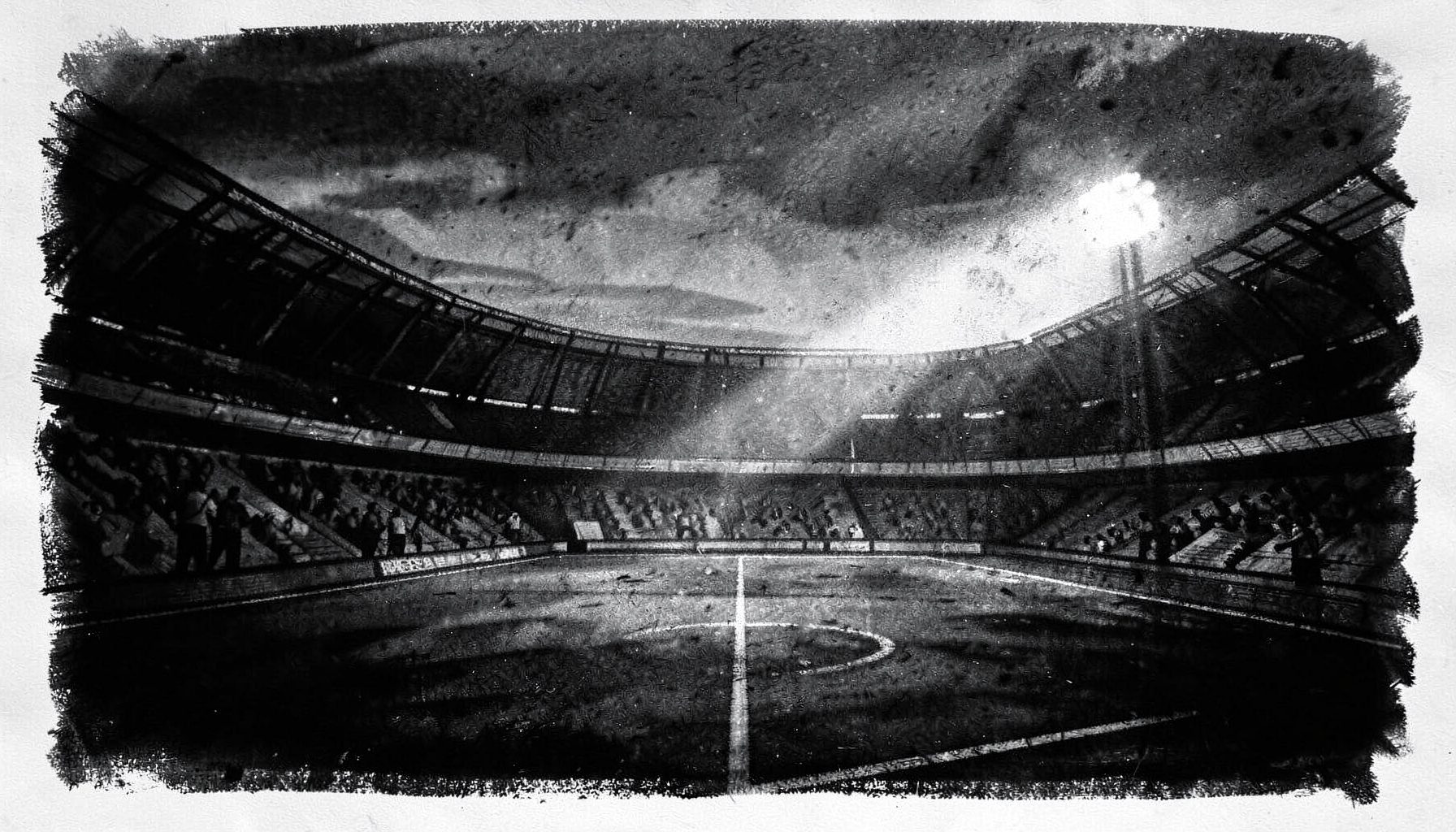
Picture tip-off at a packed suburban stadium on a humid Brisbane arvo, the crowd already buzzing before the first possession. An official who can read that game works from a place of calm. They understand where the next pass is likely to go, which defender is about to switch, and which cutter is creeping along the baseline before anyone else spots it.
Reading basketball is built from preparation, repetition, and quiet confidence. It starts the moment you walk into the venue and continues through every stoppage, every substitution. Whether you work a primary school carnival in Adelaide or a state-level fixture at Melbourne Arena, the principles hold: see the whole floor, know your angles, and trust the patterns you have studied.
The mental setup before tip-off
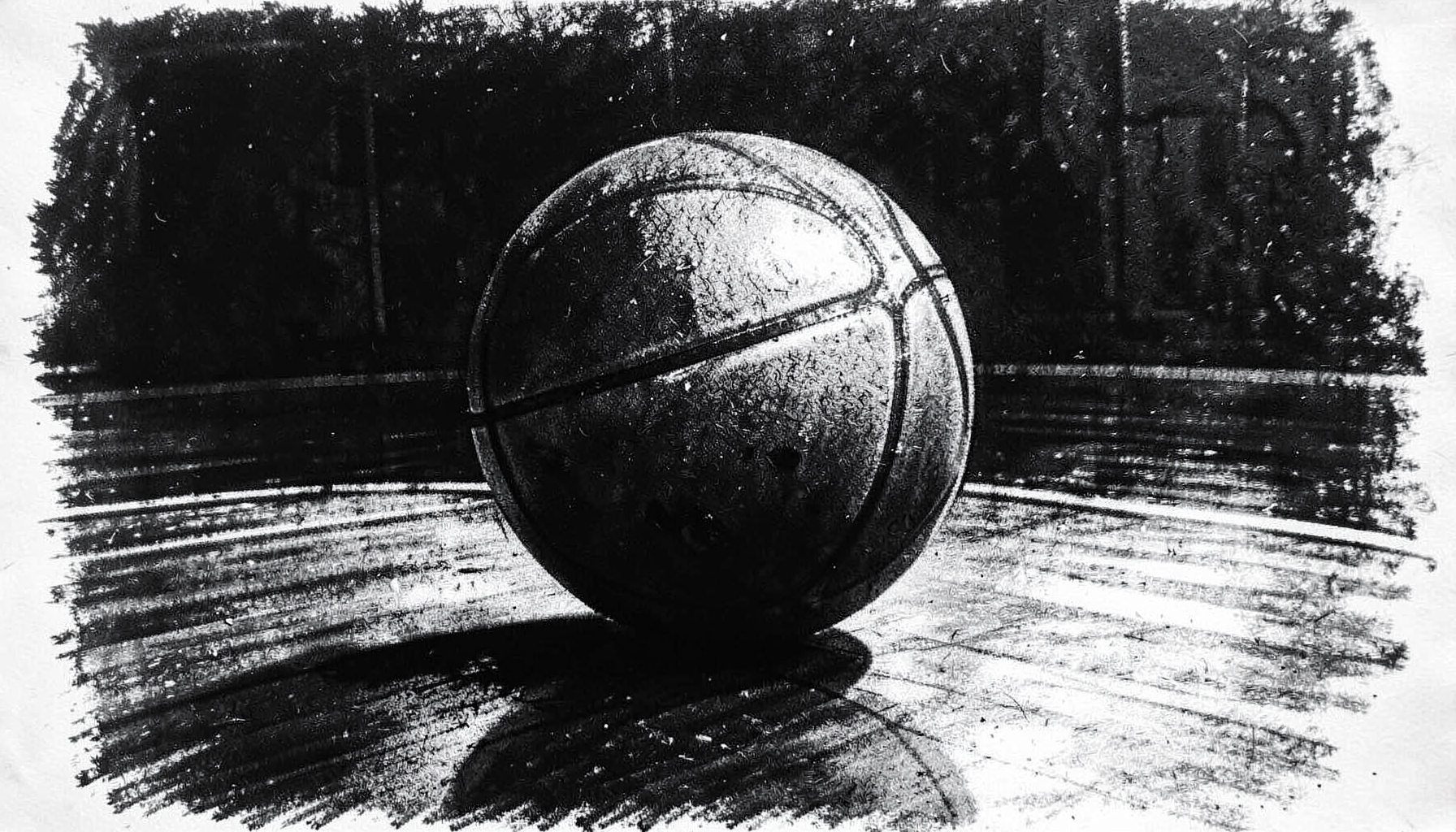
Arriving early lets you walk the floor, check the lighting, and notice any quirks in the backboard or the ring. In Australian venues this often means checking how late afternoon sun streams through open roller doors at suburban stadiums in Perth, or how the air conditioning hums at certain indoor courts until you can barely hear a whistle.
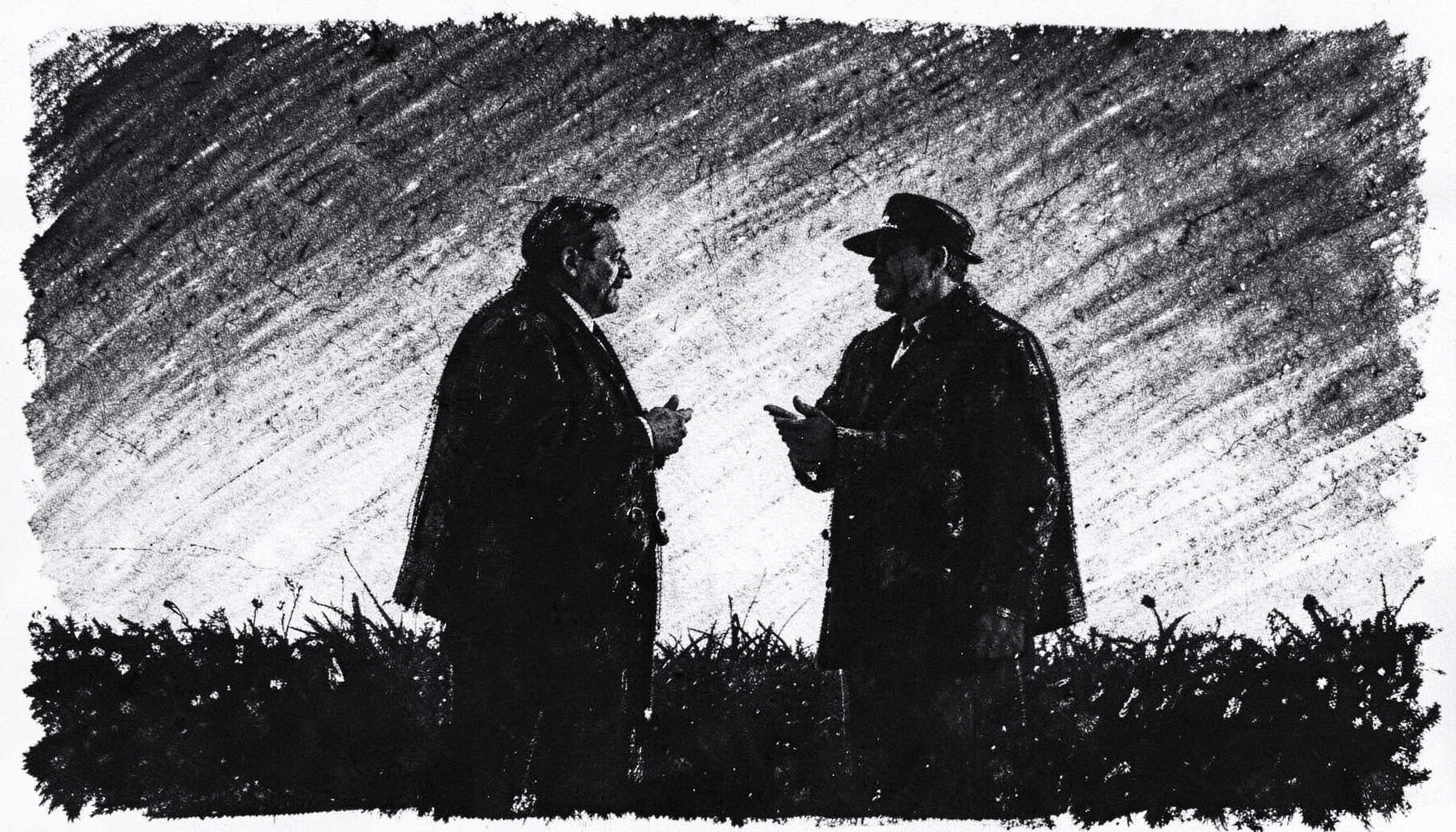
Spend a moment with both coaches if allowed. A quick chat about rotations, pressing habits, or which defender matches up on a star guard offers clues about what is coming. Review any available footage from earlier meetings. Identify leading scorers, habitual screeners, and the player who loses discipline when frustrated. Once you know the scripts both teams run, the court becomes easier to decode. A helpful guide to sports we oversee can also remind newer officials how each code shapes your preparation.
Recognising offensive patterns in real time
Most teams draw from a small library of set plays. Even at NBL1 level or in school championships across regional New South Wales, coaches lean on the same handful of actions: horns, floppy, pin-down, stagger, and elevator screens for their shooters. Spot the early entry into one of these structures and the rest follows almost automatically.
Watch how the point guard receives the ball at the top. If he catches it square, the team is flowing into motion. If he receives off a brush or pin-down, expect a quick handoff or curl. Track the post player on the weak side. A flare or duck-in often comes just before a flare screen frees a shooter on the opposite wing. These breadcrumbs tell you where the next whistle-able contact is likely to happen.
Defensive schemes and how they shape your vision
Offence does not exist in isolation. The way a defence is set tells you where help is coming from and therefore where to keep your eyes. Drop coverage invites pull-up jumpers and rewards patience. Switching defences invite post mismatches and can lead to quick whistles for hand-checking when help arrives late.
Talk with partners before the game and agree on coverage. In three-person systems common in Australian senior domestic competitions, the trail official should know whether the lead is taking the strong-side block or rotating weak side. If you are working a two-person system in a country venue or smaller satellite event, the lead takes the basket and the trail controls the lead pass. Reading the defence lets you anticipate where the ball will end up, which is half the battle of being in the right spot.
Positioning and the geometry of the court
Angle is everything. The official who reads the game best is rarely the one with the best eyes but the one whose eyes are in the right place. Stay wide on the lead position so you can see the gap between defender and ball-handler. On a drive, slide a couple of steps to seal off the help defender coming from the strong-side corner.
Use the arc of the three-point line as a friend. Working in venues like the State Basketball Centre in Knox or the AIS Arena in Canberra, you quickly learn the best sightlines sit just inside or outside that arc depending on where the ball lives. Keep your head on a swivel. Even when focused on the pick-and-roll, peripheral vision should pick up a cutter slipping the baseline or a secondary defender creeping into the lane.
Reading player behaviour and body language
Plays begin in the body before they show up on the scoreboard. Watch the shoulders of the point guard on a dead ball. Shoulders squaring to the bench signal a timeout or set play. Shoulders dropping and gaze shifting to the floor suggest frustration building, and the next foul is probably only a possession away.
Look at the screener's feet. Wide stance, hips loaded, big man setting a screen at the top of the key is about to roll hard. A screener who hesitates or glances toward the ball-handler is probably slipping the pick for a shot. Notice how substitutes come to the table. A slow jog from the far corner suggests fatigue; a quick sprint signals a tactical change. These small cues let you predict the next ten seconds before the ball is even inbounded.
Handling pressure moments and game flow
Crowds in Australia can be lively without being hostile, but finals matches at state level or televised WNBL games can swing quickly into emotional territory. Reading a game means reading the temperature as well as the tactics. When a whistle is about to ignite a bench, give the call clearly, signal firmly, and move on without lingering.
Manage the game through your whistle placement and cadence. A sharp, decisive whistle at the right moment reassures players and coaches; a hesitant one invites debate. Pace your communication by the situation, not the clock. Use dead-ball moments to reset your eyes, scan both benches, and note which players cluster near the sideline and which have drifted. That visual reset works across other sports as well, and even common injury prevention routines borrowed from other codes help you stay attentive through long shifts.
Physical conditioning and recovery for sharp eyes
Anticipation is a product of the whole body. If your legs are heavy from a double-header at a regional tournament in Darwin, your reactions on a fast-break trailing play will be half a step slow. Conditioning for basketball officials means building lateral endurance, hip flexibility, and core stability so you can hold proper position through a full 40-minute contest.
Recovery matters as much as training. Hydrate before, during, and after matches, especially in subtropical venues where the air sits heavy. Cool down properly, refuel with a proper meal, and book regular sessions with a sports physiotherapist if niggles persist. Looking the part also reinforces professional identity on court; quality gear from merchandise stores completes the package alongside your match fitness.
Daily habits that sharpen your reading skills
- Watch at least one full NBL or WNBL match each week, pausing to identify which player the offence funnels through when possession breaks down.
- After every game you officiate, write three notes about patterns you noticed and three about moments where you were caught flat-footed.
- Rehearse footwork for transition close-downs at training so the body executes reading without conscious thought.
- Drill the mechanics of long-distance trail position with a partner, especially in venues with unusual sightlines.
- Read the rule book on incidental contact and screening before each new season so the legal limits are automatic.
- Walk the floor at least fifteen minutes before tip-off and visualise the two or three sets you expect to see.
- Keep a simple log of each game covering team tendencies, player habits, partner positioning, and your own physical responses to the workload.
When you step back onto the hardwood next weekend, keep one thought at the front of your mind. The play you anticipate is the play you control. Build the habits, protect your eyes and energy, and let the quiet work you do off the ball do the talking once you step between the lines.