How to Use the SAOANC Online Resource Library Effectively
The Southeastern Athletic Officials Association website is more than a membership noticeboard. It brings together training material, officiating guidance, calendars, news, videos, downloads, awards information and leadership details for people working across several sports. Used with a clear system, the online resource library can support both a new official preparing for a first assignment and an experienced umpire refining a familiar routine.
Australian officials can use these resources even though the association is based in southeastern North Carolina. The terminology, rules codes and competition structures may differ from those used in Sydney, Melbourne, Brisbane or regional New South Wales, so the most effective approach is to treat each item as a learning reference. Check which principles transfer directly, then compare them with the laws, policies and appointments used by the local governing body.
Finding The Right Material
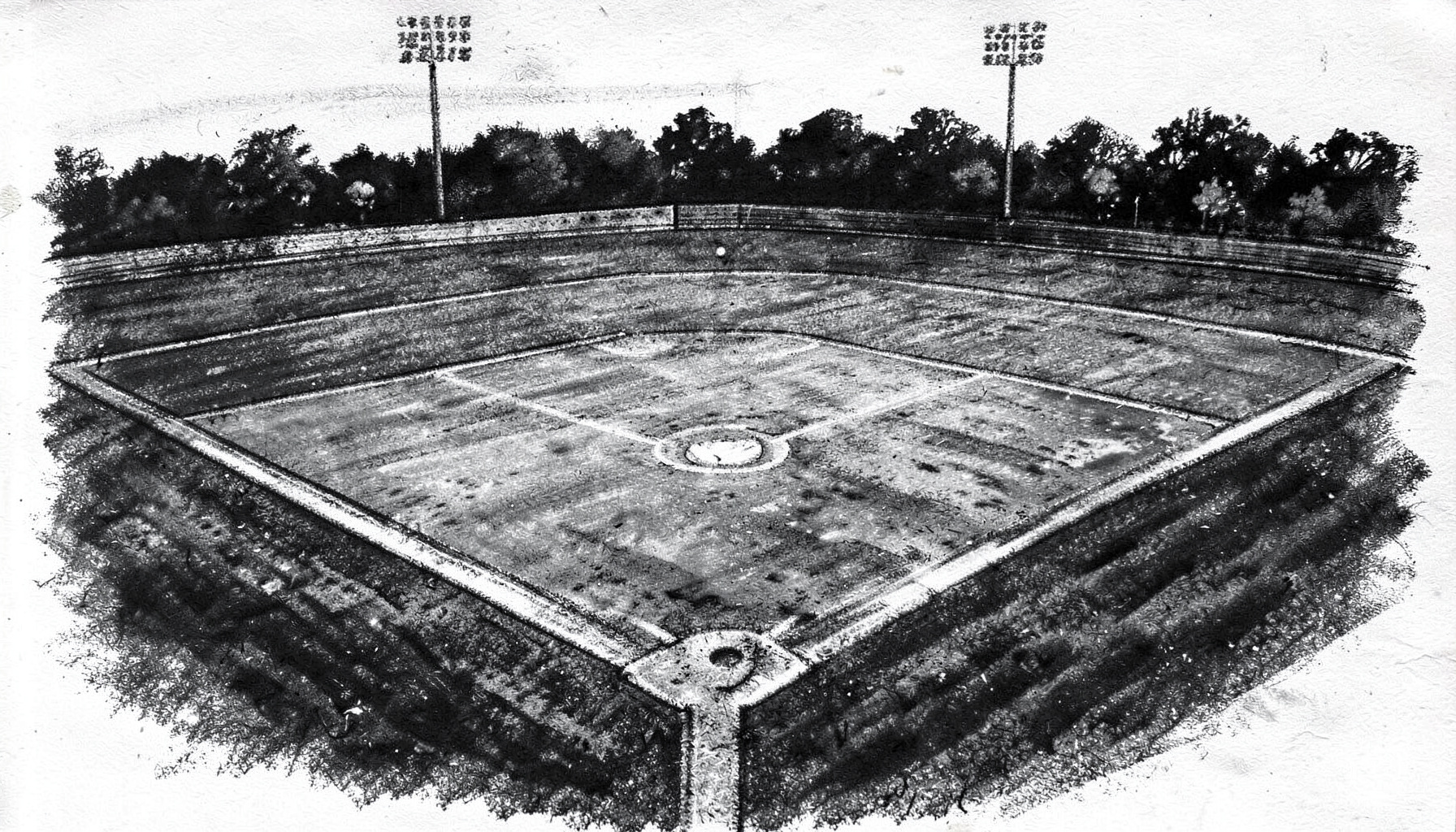
Begin with the purpose of your search rather than opening pages at random. A new official may need information about recruitment, uniforms, clinic preparation and responsibilities. Someone preparing for a baseball appointment may be looking for coverage, positioning or communication guidance. The baseball positioning guide is useful because it links an official’s position to the play, rather than treating movement as a set of isolated rules.
Use the website’s categories as a practical filing system. Training pages are best for skill development, calendars help with timing, news can reveal current association priorities, and downloads may contain documents worth keeping for offline use. Save pages with descriptive browser bookmarks such as “plate mechanics” or “clinic preparation” instead of relying on a long history list. This matters when you are travelling to a weekend fixture or working from a phone during a short break.
Australian users should also identify the governing body behind their local appointment. A baseball official in Adelaide, a softball official in Perth and a school-sport official in Canberra may face different competition rules, accreditation expectations and reporting processes. Treat SAOANC material as a strong professional reference, then verify any rule-specific detail against the current Australian competition manual before applying it in a match.
Building A Practical Study Routine
A resource library becomes more valuable when it is connected to a weekly habit. Set aside 20 to 30 minutes before a round of fixtures to review one narrow subject: signals, dead-ball procedures, rotations, positioning or communication. After the game, record two moments that felt uncertain and return to the relevant page or video while the details are still fresh.
Preparation should include equipment as well as knowledge. The association’s guidance on training clinic checklist can help an official create a repeatable kit list. Adapt that list for Australian conditions: carry sunscreen, a broad-brimmed hat where permitted, water and wet-weather layers, especially when a winter appointment in Melbourne can change quickly or a summer fixture in Brisbane brings heat and humidity.
Local travel also affects preparation. Officials who commute across Sydney or Melbourne may leave home well before the scheduled start, while regional officials can face long drives between grounds. Keep digital copies of essential material on a phone or tablet, but download key documents before leaving home because sporting venues may have unreliable mobile coverage. A small printed checklist remains useful when changing rooms are crowded and time is limited.
Learning From Video And Technical References
Video is most effective when watched actively. Before pressing play, choose one feature to track, such as the umpire’s starting position, head movement, distance from play or response after a decision. Watch once at normal speed, then replay key moments and write down what changed. This turns passive viewing into an observation exercise that can be discussed at a clinic or with a senior official.
Technical articles can add a second perspective. A piece on mechanics troubleshooting article can be used to identify recurring faults such as late movement, poor angles or inconsistent signals. Compare those observations with your own match notes rather than assuming every recommendation fits every code. The goal is to understand why a mechanic works and when the competition’s approved procedure takes priority.
International material can widen an official’s vocabulary, particularly for people involved in baseball, softball or umpire education. An international officiating resource may offer a useful comparison of terminology or presentation, but it should be checked carefully for jurisdiction, language and rules context. Australian officials should distinguish between a teaching principle—such as gaining a clear angle—and a formal local requirement.
Turning References Into Match-Day Decisions
The strongest study notes connect a principle to a situation. Instead of writing “improve positioning”, record a specific trigger: “When runners occupy first and second, establish the preferred angle before the pitch.” Add the expected visual cue, the movement required and the communication that follows. This creates a compact decision guide that is easier to recall under pressure.
Use the SAOANC library to prepare for scenarios rather than memorising entire pages. A video about signals can support a short pre-match rehearsal. A page about responsibilities can help clarify who watches a base, who communicates a ruling and when officials should confer. A calendar entry can prompt earlier preparation for a clinic, assessment or association event.
Australian sport has a strong volunteer culture, and many officials balance appointments with full-time work, family commitments and weekend travel. A compact digital notebook can help retain learning between games without demanding long study sessions. Avoid storing confidential player details, injury information or private reports in a general notes app. The Australian Privacy Act 1988 and state-based organisational policies make careful handling of personal information an important professional habit, even when an official is working for a community club.
Recommendations For Ongoing Use
Create a simple resource routine that fits the season and your level of experience. New officials need a broad foundation, while experienced officials often gain more from reviewing one weakness repeatedly across several fixtures. Keep notes short enough to revisit and specific enough to change behaviour.
The following practices make the library easier to use:
- Bookmark pages by topic, such as positioning, signals, equipment and clinic preparation.
- Review one video or article before an appointment and one match incident afterwards.
- Download essential documents before travelling to grounds with uncertain internet access.
- Compare United States terminology with the current Australian rules code before using it.
- Keep a separate checklist for equipment, travel time, weather and venue requirements.
- Review association updates and membership information at the start of each season.
Membership and leadership pages can also provide useful context. The lifetime members page shows how an association recognises long-term service and preserves institutional knowledge. For an Australian official, this is a reminder to learn from experienced colleagues, attend local clinics and record practical advice that may not appear in a formal document.
A library should support conversations, not replace them. Bring one well-defined question to a regional association meeting, ask a senior official to review a positioning decision, or use a downloaded article as the basis for a short team discussion. Australian leagues often rely on small groups of officials covering several venues, so sharing reliable study notes can strengthen consistency across a whole competition.
Start with the SAOANC training and officiating pages, save three resources for your current sport, and write one match-specific practice point before your next appointment.