What to Expect When You’re Assigned a Playoff Game as a First-Timer
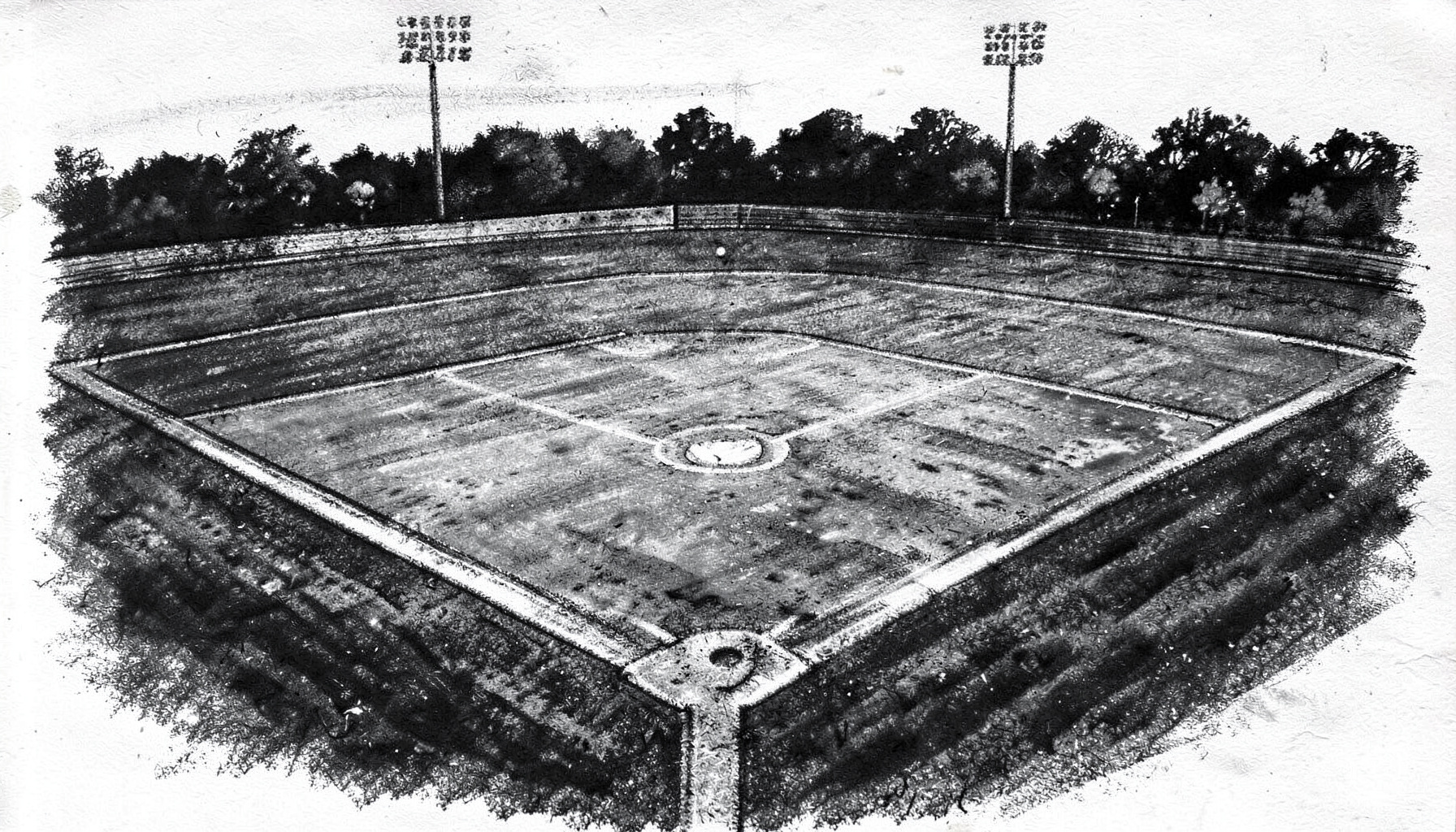
A first playoff assignment can feel like changing gears at the busiest moment of the season. The court or diamond may look familiar, but the stakes are different: one disputed call can affect a school’s season, and every spectator seems ready to judge the newest official in the room.
The Southeastern Athletic Officials Association supports officials through training, calendars, downloads, leadership contacts and other member resources. Those systems help with preparation, but game-day confidence still comes from knowing what to expect once the assignment arrives and the locker room conversation ends.
A successful first postseason outing rests on preparation, communication and composure. It does not require pretending to be a veteran or making every decision perfectly. Knowing the procedure, anticipating the action and responding constructively to an error are more valuable than trying to look fearless.
Why a playoff assignment feels different
Regular-season games allow officials to settle into a rhythm with familiar players and routines. A playoff game brings stronger crowds, tighter exchanges and players competing with an urgency that can make simple decisions appear far more complicated. Schools may also be visiting officials who have never worked with the assigned crew before.
That unfamiliarity is normal. A first-timer should focus on the mechanics already learned in training, the instructions given by the supervisor and the position assigned on that particular day. Trying to impress the crew with extra calls or aggressive enforcement can create more problems than it solves.
Australian sports fans will recognise the atmosphere from an AFL or NRL finals contest. At Melbourne’s AFL grounds, field, boundary and goal umpires divide a distinctive range of responsibilities, while Sydney’s NRL finals can bring large crowds, television scrutiny and rapid changes in momentum. Whatever the code, locals often call such a fixture “the big one”.
Confirm every detail before game day
Read the assignment message carefully and note the sport, competition level, venue, reporting time, uniform, game time and any officials assigned alongside you. If the message does not answer a practical question, contact the scheduler or supervisor through the association’s official channel rather than relying on assumptions.
The SAOANC website is also a useful checkpoint for training material, downloadable information, calendars and association news. For wider context on official development beyond a single region, F15 International can be valuable when considering how officiating structures and standards operate in other competitions.
Australian community sport provides a useful comparison. Regional clubs in New South Wales and Queensland often depend heavily on volunteers, with local associations coordinating fixtures and officials across considerable distances. The division between professional leagues, state competitions and volunteer-run clubs may shape assignments differently, but clear communication remains essential in every market.
Build a repeatable pregame routine
A settled routine keeps pressure from becoming confusion. Prepare the same essentials for every assignment, then adjust them for the venue, weather and sport rather than waiting until arrival to decide what matters.
Before leaving home
- Read the matchup information, local rules and recent notes supplied by the supervisor.
- Pack the required uniform, shoes, credentials, water and any sport-specific equipment.
- Charge the phone and download the schedule, venue directions and emergency contacts.
- Allow extra travel time, particularly for unfamiliar schools or regional locations.
- Review the crew’s agreed signals, rotations and procedures for common situations.
Once at the venue, use the early arrival period to turn preparation into familiarity. The goal is not to overthink the game but to remove avoidable uncertainty before the first whistle.
At the venue
- Arrive at least 30 to 45 minutes before the scheduled start.
- Meet the crew, identify the supervisor and confirm each official’s assignment.
- Inspect the playing area, scorer’s table, timing equipment and warm-up space.
- Clarify hand signals, ball or equipment procedures and any replay process.
- Take water, use sunscreen and make sure the uniform meets the required standard.
Australian summer sporting habits are relevant here, even though North Carolina’s postseason has its own weather pattern. Cricket players and officials in Melbourne, Adelaide or Brisbane understand the importance of hydration, shade and sun protection during long afternoon sessions. Those habits are equally sensible on a hot, exposed North Carolina court or diamond.
Read the game before making calls
Officials gain an advantage when they watch the action developing rather than merely following it. Know the next likely play, track players away from the ball and understand which angles provide the clearest view. The SAOANC resource on reading the game offers practical guidance on anticipating plays and preparing for the next decision.
Anticipation does not mean predicting the result. It means recognising patterns: a defender showing a helping hand, a hitter setting his feet, a runner drifting towards the line or a batter taking a lead. From there, the official can establish a suitable position and allow the play to unfold without unnecessary hesitation.
A first-timer will encounter unfamiliar players, tactics and tempo. Stay within the rules and agreed mechanics, especially when the game becomes emotional or a close finish attracts renewed protests. One grounded decision is usually better than several rushed decisions made to appear decisive.
Manage your position and the surrounding environment
Position is part of the job, not an optional detail. In basketball, moving away from the play can improve the viewing angle, while standing directly behind a moving player can obscure contact. In baseball, an umpire’s angle affects every judgement about balls, strikes and plays at the plate. The association’s umpire positioning guidance explains how location, sightlines and responsibilities influence an umpire’s work.
Adapt that positioning principle to the sport rather than applying a habit from another game. Baseball requires attention to the pitcher, catcher, baserunner and infield alignment. Basketball demands awareness of spacing, screens and driving lanes. The common principle is to arrive with a legitimate view and enough space to react.
Australia offers another useful comparison. Australian cricket operates with television umpires and the Decision Review System, while rugby league uses video review for selected decisions. Those systems do not remove the need for good positioning; they show how an on-field decision can receive a second layer of scrutiny. Whether the sport is cricket, basketball or baseball, maintain composure when a decision is challenged or reviewed.
Communicate with the crew and handle mistakes
Join the officials’ briefing and listen for agreed signals, responsibilities and methods of resolving an unusual play. If something is unclear, raise it with the supervisor or designated partner before competition begins. A short clarification is usually less disruptive than an extended discussion during live action.
Mistakes should be handled in a sequence: notice the error, acknowledge it, reset and continue. Do not argue with a player or coach, seek revenge on the next possession or repeatedly check a decision that has already been made. A calm explanation and proper reporting channel are enough. Crew members should also communicate constructively rather than allowing frustration to spread through every communication.
Australian sporting culture often appreciates directness, with phrases such as “not good enough” or “have another look” used openly. On the field, that straight approach still needs professional control. Captains and coaches in Australian rugby league, cricket and basketball may be vocal, but the official should remain respectful, use the established procedure and keep personal disagreements out of public view.
Finish the assignment and take the lesson forward
After the final whistle, remain available for the crew debrief and complete any required report, incident form, time record or payment documentation. Note the parts of the assignment that felt organised as well as those that created uncertainty. A supervisor’s observation may identify a technical adjustment that a first-timer could not see during the game itself.
Judge the performance by preparation, positioning and conduct rather than by whether every call was accepted. Even an experienced official can miss something under postseason pressure. The valuable measure is whether the official stayed engaged, followed the agreed mechanics and recovered without allowing one decision to define the entire game.
The practical takeaway is simple: arrive early, know your assignment, read the action and stay connected with the crew. Treat a first playoff game as an important routine rather than an audition, and the assignment can become the foundation for confident work in later contests.