What to include in your officiating bag for every sport
An officiating bag is a working kit, not simply a place to carry a whistle and spare socks. It needs to protect the official, keep essential tools within reach and hold enough backup equipment for a long day. A well-organised bag also leaves less room for distraction when a decision, injury or disputed moment demands immediate attention.
The contents must reflect the sport, grade and venue. AFL goal umpires need the correct scoring flags and hand signals; cricket umpires use counters and sun protection; rugby league, rugby union and soccer officials need the appropriate cards and signals; basketball and netball rely heavily on whistles and clock coordination. Shared equipment should still be chosen with those demands in mind.
Climate and travel belong in the same planning process. A July match in Melbourne can combine wind, rain and a cold change, while a January fixture in Brisbane may be hot, humid and bright. Sydney’s summer UV levels and an inland oval’s dry heat create different risks from an air-conditioned indoor court, so the bag should be adaptable rather than packed identically for every assignment.
Starting with a universal core prevents omissions. Add sport-specific items, local weather protection and personal comfort supplies, then test the complete setup at an actual venue. The association’s recruitment and training resources can help new officials understand the standards expected across local and representative games.
Match the kit to the sport
Begin with a sport-and-role checklist. For field and court officials, confirm which whistle, cards, flags or counters belong to the assigned game, and rehearse the hand signals or calls used by the officiating team. The same official may officiate several codes across a season, so labelled pouches can prevent a soccer card from ending up beside a cricket counter. Carry only the equipment needed for the current match while keeping one backup of the most failure-prone item.
Replacement options for portable officiating equipment can be checked against the sport, role and venue, but used items should still meet current rules and local uniform standards. Inspect the field or court before play: a hard boundary, slippery synthetic surface or obstructed line can affect positioning and may justify gloves, different footwear or extra support.
Dress for Australian conditions
Clothing should combine the approved uniform with protection from sun, wind and rain. A breathable official shirt, lightweight base layer, warm top for an air-conditioned arena and packable waterproof shell cover most situations. Add a hat that fits securely without obstructing signals, sunglasses with non-slip arms where appropriate and a spare shirt in a sealed pouch. Apply broad-spectrum sunscreen before travelling and keep it accessible for reapplication rather than leaving it only at home.
Footwear deserves a separate trial because it affects balance, communication and injury prevention. Outdoor officials need shoes with reliable grip on grass or synthetic surfaces, while indoor officials should use clean, non-marking soles that do not slide on polished timber. Break in new shoes before using them in competition and carry spare socks, laces and blister protection. A drink bottle, electrolyte mix and cooling pack are sensible additions for Brisbane or Sydney summer games; a thin beanie and hand warmers can matter during an Adelaide winter or a chilly evening on a Melbourne oval.
Pack small items with large practical value
Some of the most useful objects are small, inexpensive and easily left behind. Build the core around these items:
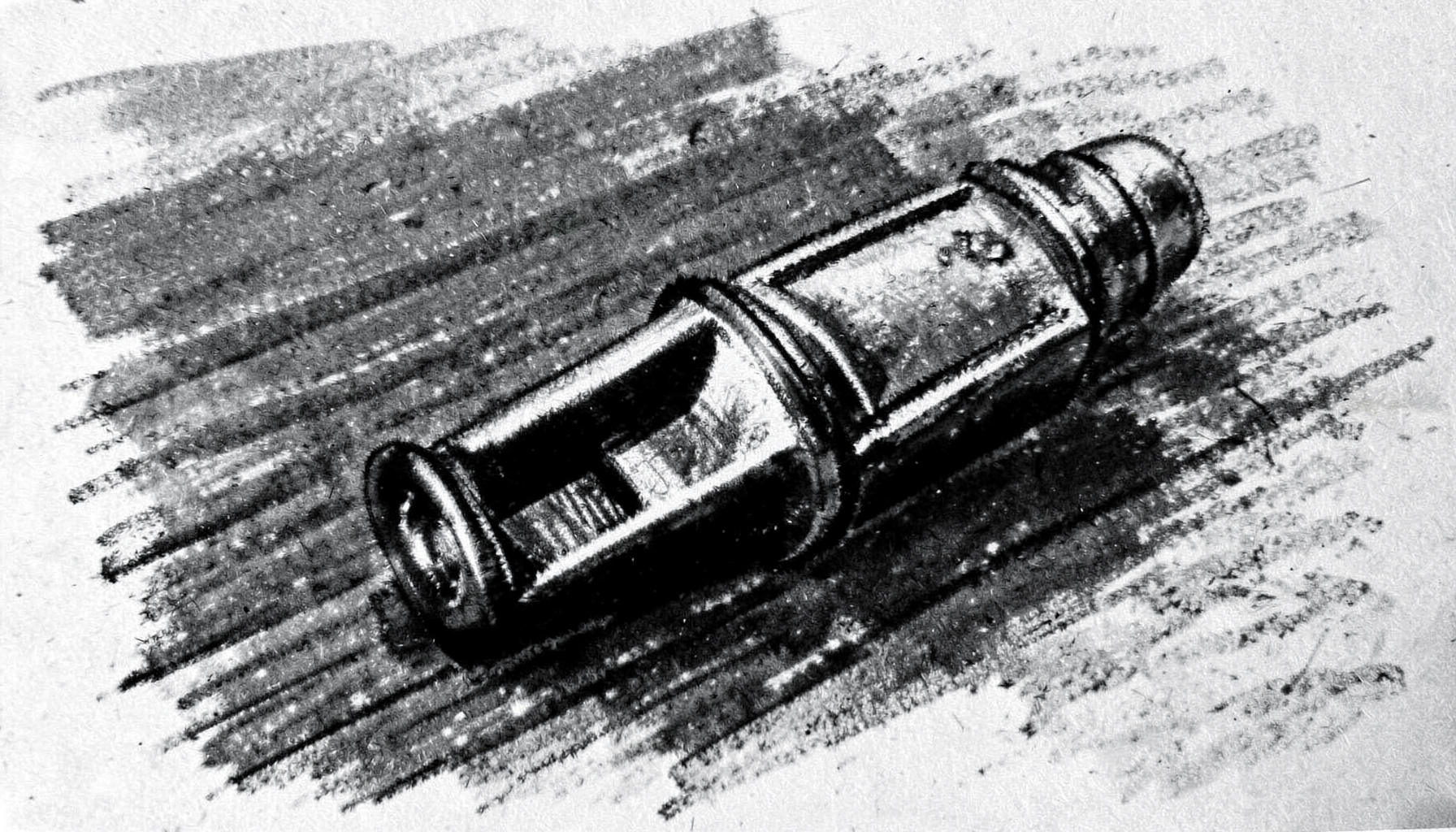
- A primary whistle and a tested backup, each attached to a durable, quiet lanyard
- The required cards, flags, counter, score sheets and position markers for the assigned sport
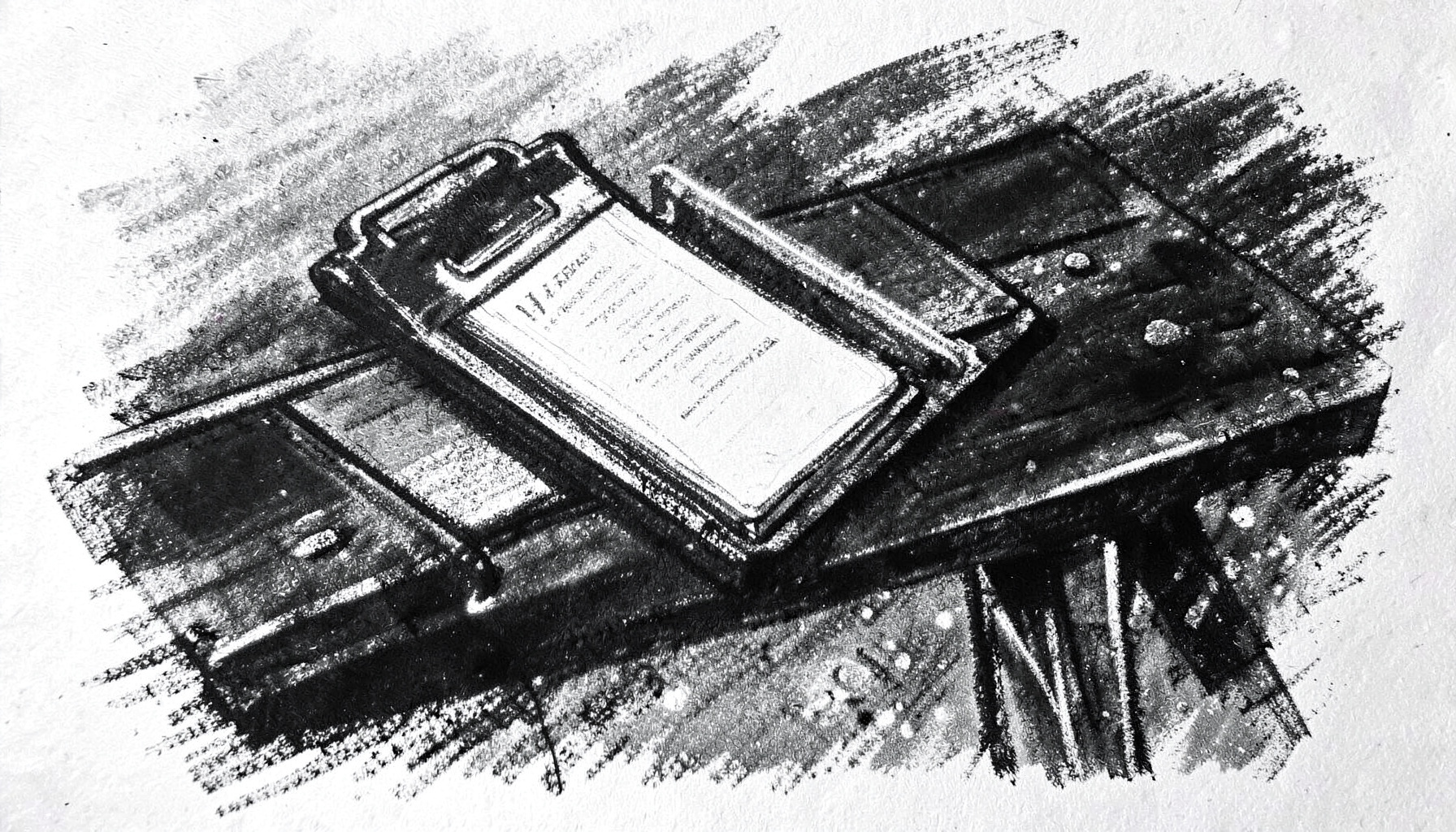
- Two pens, a waterproof clipboard or folder and a small supply of spare forms
- A charged phone, a compact power bank and the association’s emergency contact details
- Identification, a payment card, modest cash and any venue access or accreditation documents
Personal care and repair supplies form a separate group. They can be bought at an Australian chemist, sports shop or hardware store, while a local Bunnings often has cable ties, waterproof pouches and general repair materials:
- Broad-spectrum SPF 50 sunscreen, lip balm and a cooling towel
- A refillable water bottle, electrolyte sachets and a sealed ice pack
- Blister plasters, sports tape, sterile dressings, antiseptic wipes and spare socks
- Tissues, hand sanitiser, wipes and any personal medication
- A small rubbish bag, spare laces, a multi-tool and a high-visibility rain cover
Use colour-coded bags or elastic labels so each item has a clear home. After every fixture, return used forms, recharge the power bank, clean the whistle and replace anything damaged. This ten-minute reset prevents an avoidable shortage from becoming the reason an official leaves a venue early.
Build a calm matchday routine
A repeatable routine lowers stress before the first whistle. Pack the bag the night before, compare it with the assignment details and place clothing, boots and weather protection beside the door. On match day, arrive with enough time to inspect the venue, speak with the other officials and confirm the clock, score sheet and communication method. Drink water before travel, eat normally and avoid relying on an unfamiliar energy drink.
Mistakes are part of officiating, so the response should be as prepared as the equipment. The Southeastern Athletic Officials Association’s guidance on handling officiating mistakes offers a useful sequence: acknowledge the error promptly, make the appropriate correction and reset without prolonged dispute. If the situation requires it, explain the decision to the captain or coach, record the incident according to association policy and then focus on the next play.
Between assignments, protect concentration rather than replaying every decision. A brief conversation with the officiating team can clarify a signal or positional issue, while quiet time supports better judgement in the next game. Keep the bag ready at the designated officials’ area and keep personal conversations away from active play.
Plan for local fixtures and travel
Grass ovals and suburban fields around Melbourne, Sydney, Brisbane and regional towns expose officials to changing ground conditions. Wind may alter a high ball or visible signal, dew may make a boundary slippery, and hard sun can affect a clock or scorecard. Check the forecast, the local council’s ground report and the expected start time. For afternoon appointments—the local “arvo”—plan the strongest sun protection before leaving home, even if the morning forecast appears mild.
Community sport also carries local habits that visitors can overlook. Clubrooms may have a shared fridge, tea urn or container of ice, so ask before taking anything meant for the team. At community and representative fixtures, arrive prepared to work within the venue’s parking, warm-up and spectator arrangements. Shoes should be cleaned before entering a clubhouse, and boots left free of mud when the ground is shared with senior teams.
Travel adds another layer of preparation. Keep identification and accreditation in an easy-access pocket, carry a small amount of cash for an unexpected parking fee, and pack enough water for the return journey. Public transport delays can turn a short trip into a warm wait, so a hat and sunscreen belong in the day bag even when the game itself begins near dusk.
Prepare for consistent performance
At the end of each season, audit the bag against the sports and venues actually worked. Remove obsolete rules sheets, dead batteries and equipment that no longer meets a uniform standard. Wash reusable items, test every whistle and timer, and replenish sunscreen, tape and forms before storage. A simple inventory sheet can record missing items and prevent the same purchase being made twice.
Fitness and rules knowledge improve together during the lighter months. A structured off-season preparation can combine easy aerobic work, strength for quick movement on court, mobility for repeated signals and regular study of rule changes. Prospective officials can use that period to practise with a partner and become familiar with the procedures used by experienced regional supervisors.
The concrete next step is an empty bag on the floor tonight, with its items sorted by role, the three sport-specific essentials confirmed and the complete kit ready for the next assignment.